
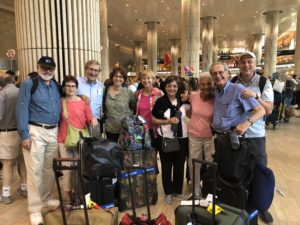
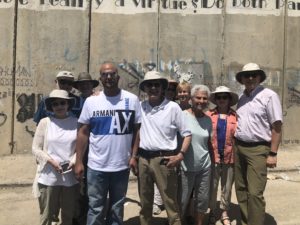
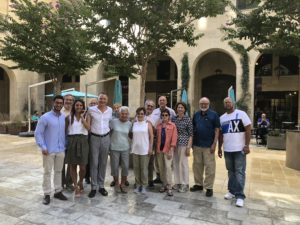
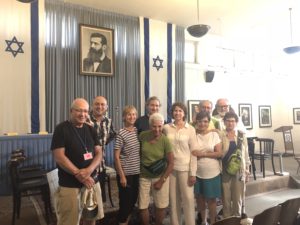
 A small but hearty group of TE members, along with Rabbi Michael Farbman, visited Israel in July. Our guide was an Israeli kibbutznick, originally from South Africa, who immigrated to Israel in the Apartheid era to seek a more morally balanced Jewish life. Julian Resnick took us to many common tourist sites in Israel, and also to several West Bank locations, where we met and spoke with several Palestinians of various backgrounds – including a reporter for Time magazine, a Palestinian policeman, and a Palestinian billionaire developer. This remarkable man has built a city near Ramallah for upper middle class living, which looks like planned cities in the US including modern apartments, shopping areas, playgrounds, pools, theater. There are already 4,000 people living there, and clearly a growing market for this life. His vision is to help resolve Palestine’s current dilemma of victimhood by looking forward with more jobs, more financial success and more stability for Palestinians and Israelis.
It became clear to us that nobody wants continued Occupation – -often victimizing Palestinians and forcing Israelis into uncomfortable moral positions. However we learned that the situation is very complex – – Israel must defend itself, as Hamas encourages destitute Palestinians to confront and attack Israel. It is in Hamas’ interest to maintain the desperate condition of many destitute, displaced Palestinians, who blame not Hamas, but Israel. What is the way out? Helping develop a Palestinian infrastructure, and a vision of hope as the developer is doing, may be one such creative solution.
We then all heard of the Palestinian teen Ahed Tamimi, who as AP reported “became an international symbol of resistance to Israeli occupation after slapping two soldiers.” The soldiers initially walked away, not causing an incident. However after a video of the encounter “went viral,” and strong voices in Israel, like Cabinet minister Uri Ariel said “I think Israel acts too mercifully with these types of terrorists,” the girl and her mother were arrested and jailed. After an international outcry, they were released, and hailed as heroes in their West Bank home.
Such a complex problem – each day the IDF and Israeli leadership make decisions that are based on Jewish morality and law, and also on a commitment to preserve the safety of Israel. Israel provides electricity to Gaza, even as their citizens send flaming balloons and kites into Israeli lands to burn their crops and possibly their homes. Israel sends humanitarian supplies across to Gaza, even as Hamas will not recognize that these life-saving supplies come from Israel.
It seems to me that the more secure and successful Palestinians can be in creating a successful Palestine, the more secure Israel can be with their neighbors in the West Bank. As long as people look back and maintain the cycle of domination and victimhood, there will be only anger, violence and sympathetic figures like the teenage Ahed Tamini. When Palestinians and Israelis look to the future and not the past, with efforts to support Palestinian autonomy, security and economic success, the space for a way out of this longtime tragedy may appear.
 The arrival of the month of Elul in the Jewish calendar is always tinged with both excitement and sadness. The summer is beginning to wind down, and even though we may still have a few weeks of summer weather, fall is on the horizon, and with it the return of a ‘regular’ routine for many of us. Kids go back to school, commuters go back to battling the usual traffic volumes, and sooner or later the evenings become cooler as well.
 High Holy Days 5779 (2018)
  Please Join Us for:
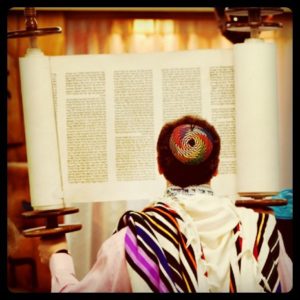 Ready to try something new? Join our informal monthly Shabbat morning minyan to enjoy the majesty of the full Torah service with the haftarah reading! Come experience Shabbat in a different light.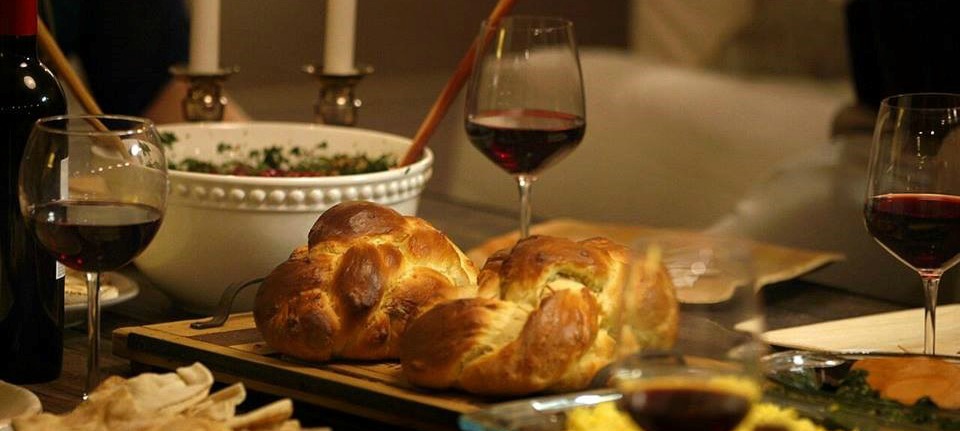
 Celebrate Shabbat with the newly elected TE Board and past TE Presidents and Board members! Come enjoy a community-wide Shabbat dinner with your family and friends!
 Come celebrate Shabbat with Rabbi Michael in the beautiful TE sanctuary with songs and stories! Perfect for children under 5 and their families. Members and non-members welcome!
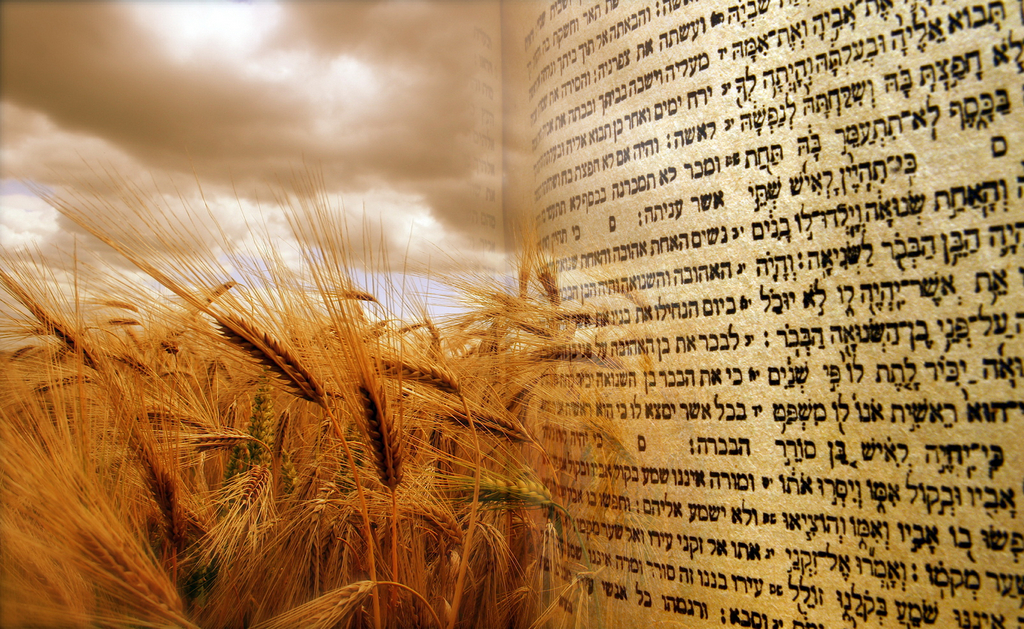
 In the seven weeks between Pesach and Shavuot, we count the Omer – – each day counting the days with a ritual prayer. The Omer was an ancient measure of grain. In the days of the Temple in Jerusalem, Jews brought a barley offering to the Temple on the second day of Passover. The Torah commands that after that day of offering the grain, “you shall count off seven weeks.” It is interpreted as a period of growth and introspection in preparation for Shavuot.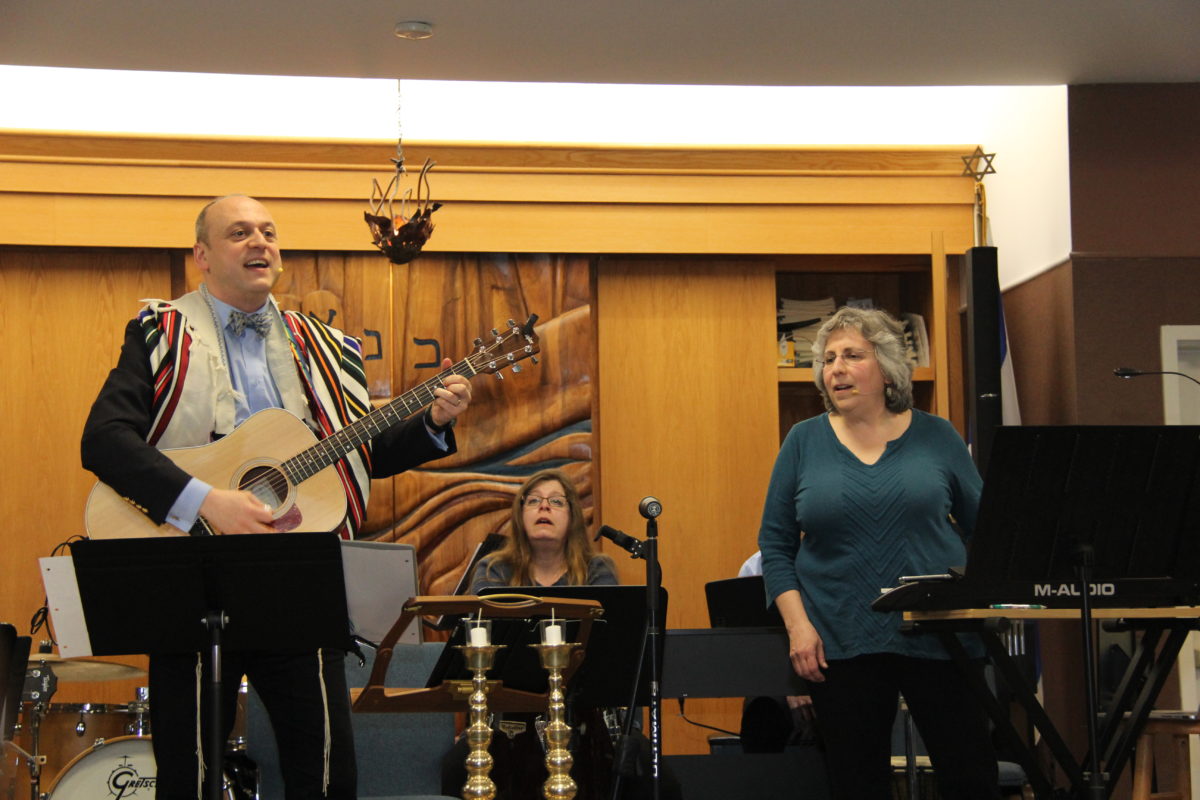
 Some of us may remember the world BEFORE Israel came into being. Some of us remember when Israel became a fragile reality. Many, if not most of today’s Jews live in a world where Israel has always been there. What a powerful statement it is: for nearly two thousand years, for the first time Israel is not just a dream, but also a reality for the majority of Jews living today!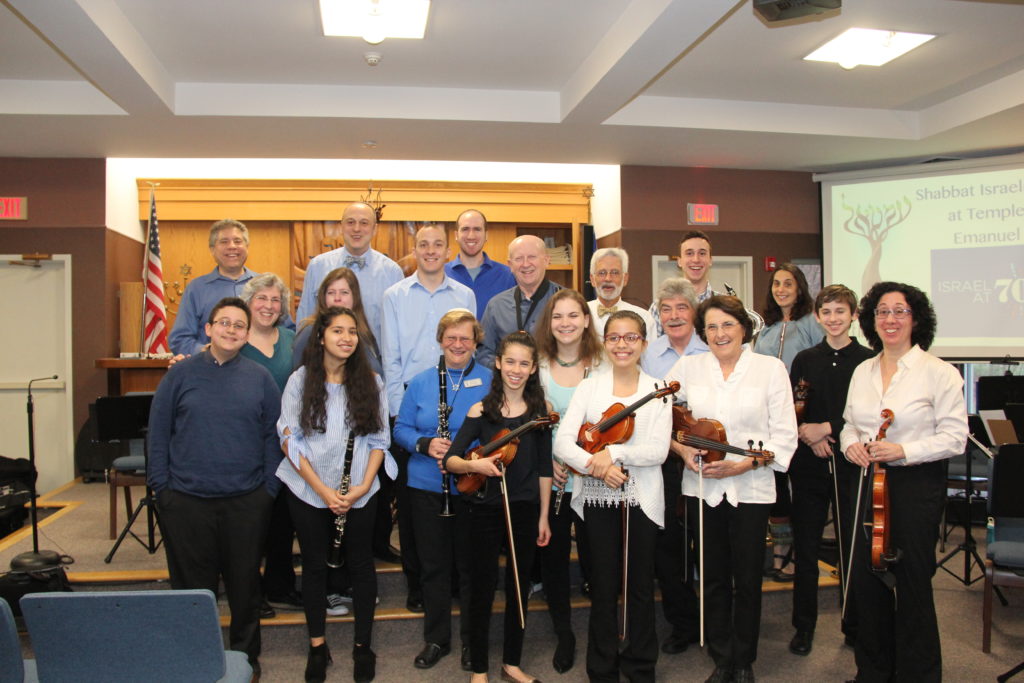
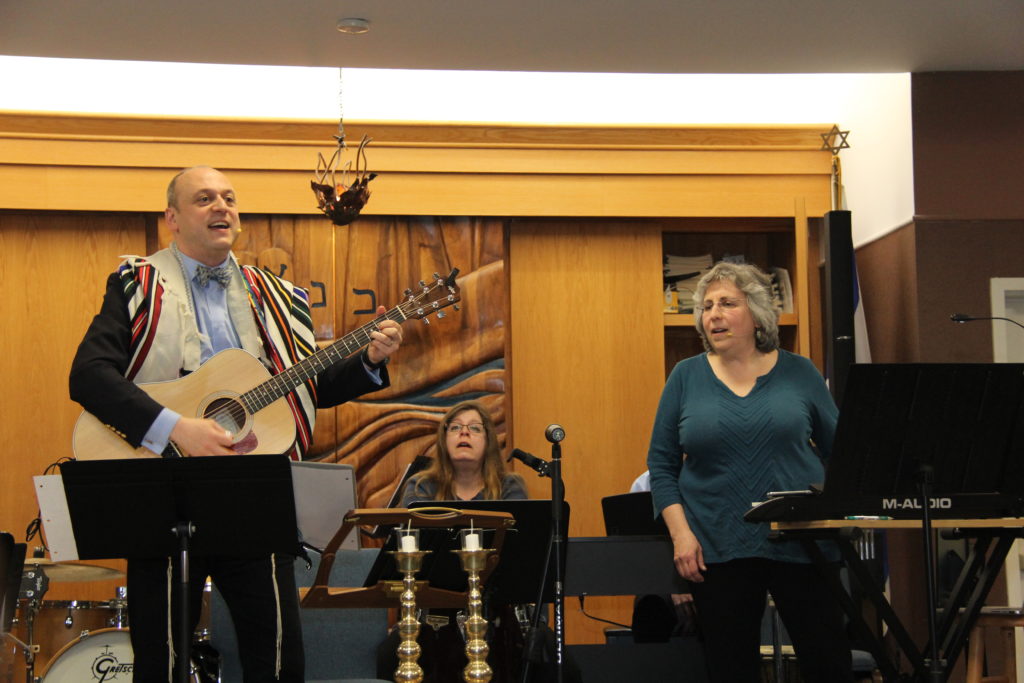
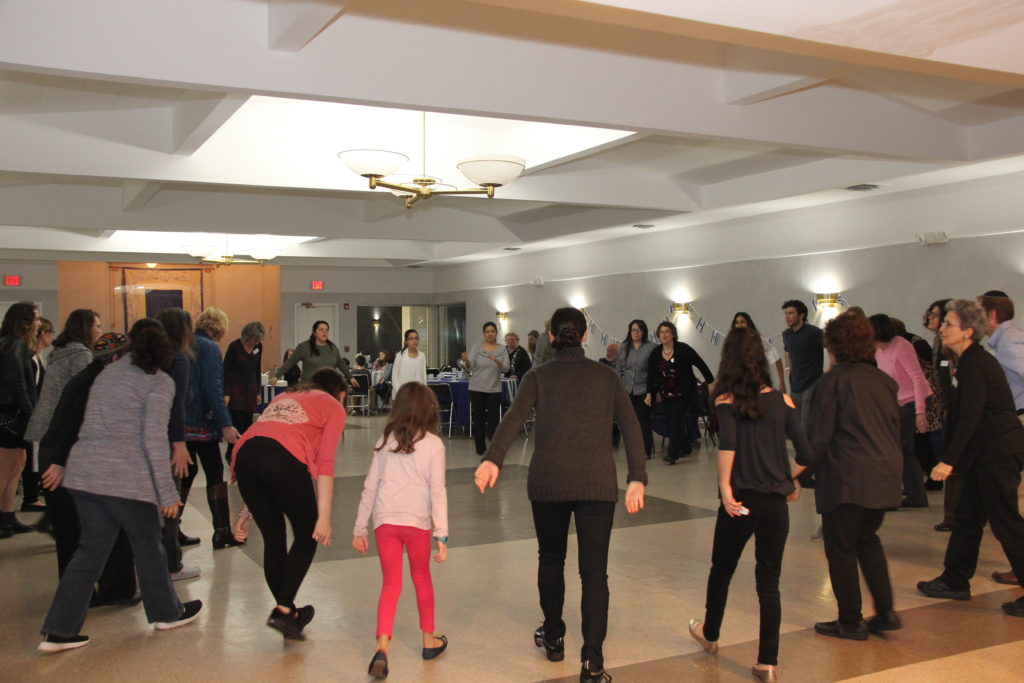
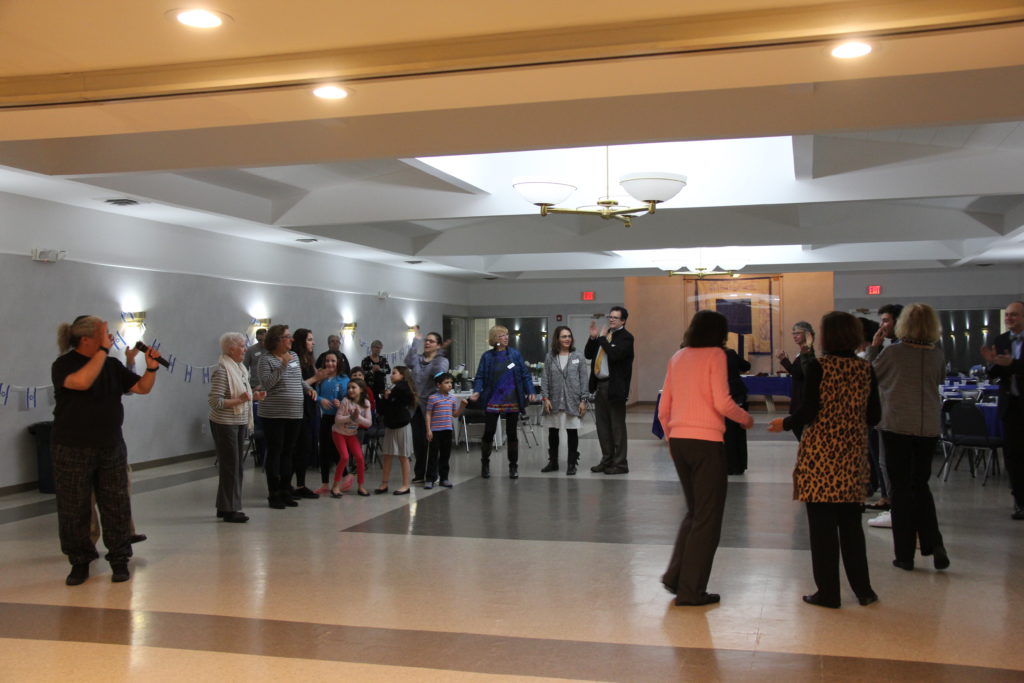
 Please join us on Sunday, May 20th at 10:00 am for the Shavuot Morning service. We will celebrate the Festival of Shavuot and the giving and receiving of the Torah with our entire TE community!