Our Liberation from Mitzrayim

March brings spring along with the festival of Passover. Passover, with its Seder rituals and story of freedom is one of my favorite Jewish holidays. The story of our exodus from Egypt is a story I find very compelling, a story with an important message to teach, the importance of freedom for everyone throughout the world.

Mitzrayim, the Hebrew word for Egypt, is often translated as a narrow space, a place of limited opportunities and constricted choices. During the Seder we consider what it means to be personally liberated from Mitzrayim, and many Jews use this as an opportunity to reflect on what holds us back from fully living our lives. This year our limits are more tangible and less metaphorical. While we are not slaves, our lives have been severely restricted and constricted by the Covid pandemic. Some of us have gone through difficult illnesses and may even be enduring lasting physical effects. Some have experienced losses without being able to attend a funeral or spend last days with loved ones. Some folks are bored, greatly missing grandchildren and others they are close to. Yet other people I speak with are thriving in the calmer, slower paced lives that the pandemic has required.

While we haven’t been liberated from the Covid pandemic yet, we do see hopeful signs as case numbers decrease in our community, throughout the country and around the world, and the numbers of those vaccinated increases every day. We remember that when we were liberated from Egypt, we wandered in the desert for 40 years, as we learned how to transcend our limitations and live in freedom. As we start to find a way out of the narrow space of this pandemic, it will take us time to learn how we can live in this new reality.

With the arrival of warmer weather, I look forward to holding outdoor services and other events. The board of directors has started to discuss how we may be able to transition as the situation improves. We continue to place high priority on everyone’s health and safety while we understand the community’s need for more connection. Many thanks to Rabbi Farbman for continuing to provide stimulating services and events virtually, and to all of you who have been participating. Thanks as well to those who delivered Mishloach Manot/Purim bags to our members, making the personal connection so many of us crave.

I look forward to passing through this narrow space together, moving into a place of less restriction and more openness. I am hopeful that as spring brings us more sun and more warmth it will also bring us more freedom. Meanwhile, I will continue to enjoy seeing many of you on Zoom, at services, breakout rooms, meetings or TE programs.

Freedom, Passover and the Pandemic…

Purim last year marked a powerful moment for many of us, marking the ‘before’ and ‘after’. It was the last time our religious school gathered in the building in 2020, an incredibly joyous celebration, followed by a community-wide megillah reading the following day. In just a few days after that, our building was ordered closed by the town, and we entered a new reality of social distancing, online interactions, virtual Torah readings and family gatherings, b’nei mitzvah celebrations, Shabbat services, funerals and shivas over zoom, and many other experiences none of us could have ever imagined before.

The arrival of Purim this year marked a full cycle of a Hebrew year, and by the time we reach Passover, we will begin a second cycle of the ‘never-in-my-life-could-I-have-imagined-doing-this’ experiences.

This has been a tough year — there’s no better way to describe it. Some of us caught the virus; some got quite sick and were hospitalized. Many of us lost friends and family members. The danger is still here, even as we begin to get cautiously optimistic about the future, and more and more people get vaccinated, bringing us closer to the time when we will be able to begin to go back to ‘normal’.

In the years to come there will no doubt be multiple studies of the impact(s) of this pandemic – on our individual psyche, on our society, on our health system and our communal structures etc. etc. All of us have our personal experiences, of course, but it will take time and effort to begin to combine our individual stories into a bigger picture. Right now, most of us can’t wait to get back to normal, but as things begin to open up, we may find that we will need some time to adjust and slowly re-enter the world in which we are able to travel freely, hug friends and strangers, eat in restaurants and attend concerts and indoor services.
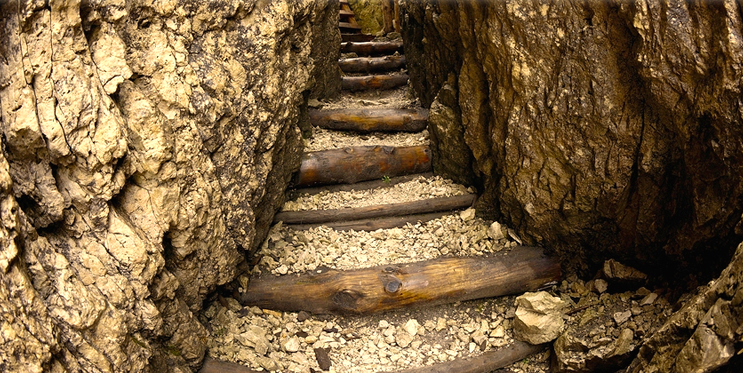
As we prepare for the second Passover online, I began thinking of the idea put forward by the Jewish mystical text, the Zohar. In Hebrew, Egypt is called Mitzrayim. The Zohar suggests that the name is derived from m’tzarim, meaning “narrow straits” (mi, “from,” tzar, “narrow” or “tight”). This reading of the word suggests that our Exodus story does not end with physical liberation, but it can also teach us to look at our internal struggles, at our personal ‘narrow places’. The physical liberation from slavery that our ancient ancestors experienced did not automatically turn them into free people. It took years in the desert, careful and painstaking nation building, to transform former slaves into a free nation.

The success (please God) of the vaccines and the removal of societal restrictions cannot come soon enough. But as we celebrate science and wait, impatiently, for this freedom to arrive, let us also acknowledge the toll this pandemic has taken on all of us. Let us remember to look out for each other, to acknowledge that the arrival of physical freedom, an important first step, needs to be accompanied by our emotional and spiritual recovery – which will take time.

Let us use this Passover as an opportunity to reflect on the freedoms we enjoy, both physical and emotional. May we draw inspiration not just from our ancient ancestors, who were liberated from slavery, but also from generations of Jews since, who found strength and courage to celebrate this freedom, even if the circumstances around them were anything but joyous. This year, we are still here. Next year, may we finally be free of this current affliction!

Chag Sameach!
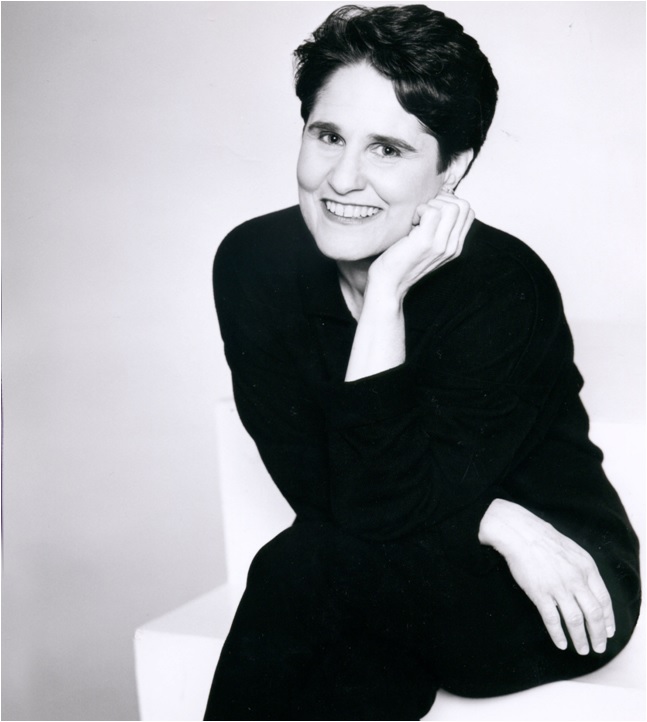
The power of music and the legacy of Debbie Friedman.

Music stirs our souls in a way that words often cannot, activating emotions within us that we did not know existed… Music is such a strong presence in Temple Emanuel worship style that it is almost unimaginable without it! Yet music in worship (especially instrumental music) has a complicated history in Judaism. Following the destruction of the Second Temple in 70 CE the rabbis placed a ban on the use of music in general, and especially in worship, as a sign of mourning. It is not hard to imagine that having witnessed the devastation, the last thing they wanted to do is sing…

From the very beginning, the Reform Movement insisted on bringing the music back to worship, back to the synagogue, back to Shabbat. Music and joy were always part of Judaism and now they were making a comeback! Synagogues installed pipe organs and commissioned talented and popular composers of the time to write music settings for service in the synagogue, giving us the profoundly inspiring music of Lewandowski, Bloch, Sulzer and many others. The music they wrote for the services was spiritual and uplifting. It was also very modern and reflective of the 19th century popular music styles.

As the popular music styles changed in the second half of the 20th century, a new kind of music entered the world of the synagogue worship. The pipe organs were joined (and often replaced) by guitars and electric pianos. Temple Emanuel, founded in 1962, is a true ‘child’ of that era – from the very beginning, our services were accompanied by guitar music, with the entire congregation singing along, rather than relying on a powerful pipe organ and a professional cantor or choir to provide music for the worship experience. In fact, it is probably safe to argue that music has been one of the main defining features of the new congregation, as well as many others that appeared in the 1960s and 1970s around the country.

The music of Debbie Friedman had defined that generation – and after some four decades it continues to touch the souls of so many Jews all around the world. But it’s not only her music and her talent that has completely transformed the music in the synagogue – Debbie, along with Jeff Klepper and a few others, had ignited the spark of creativity in generations of young Jews. She inspired them, she nurtured them, she challenged them – and they have completely transformed Jewish worship and Jewish music. Every year since Debbie’s untimely passing in 2011 we gather for a Debbie Friedman memorial concert around her yahrzeit. We sing and we play and we honor her legacy. This year we will not be able to hold our annual Kol Shira, a community-wide concert celebrating the power of Jewish music. This 10th yahrzeit will have to be marked in a different way, much as we continue to adjust our festivals and our personal milestones to the realities of this pandemic. But on January 29th we will honor Debbie’s memory with a special annual Shabbat service filled with her music. Yechi Zichra Baruch, may her legacy endure as a blessing for all of us.

TE Tikkun Olam program: The Beth-El Center soup kitchen in Milford

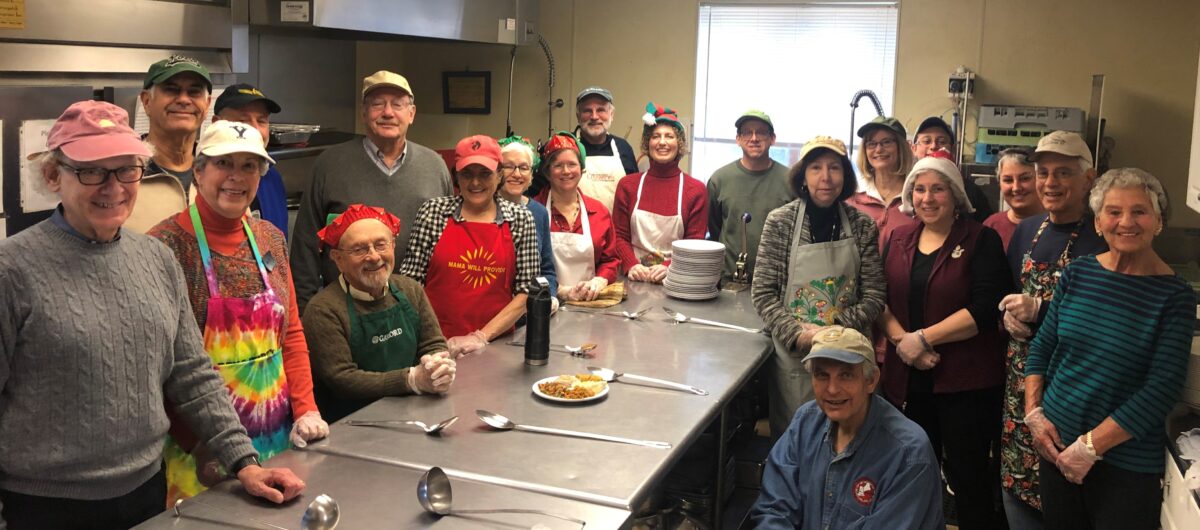
As part of TE’s social action program, Nancy Weber and Max Case have (in the past) organized a group of TE members to serve dinner one night each month at The Beth-El Center soup kitchen in Milford.

While this program has been temporarily suspended due to the Covid-19 pandemic, The Beth-El Center is still on our minds. The need for food assistance is more evident now, with greater numbers of food-insecure individuals, families and veterans.

Hopefully in Spring of 2021, we will get the all-clear, and we can resume our monthly dinner service. Until then, you can help by donating directly to The Beth-El Center by visiting their website:
http://www.bethelmilford.org/

The Beth-El Center is located at 90 New Haven Avenue, Milford, CT

(203) 878-0747. 

Thank you to all TE members who have been so generous in the past. Looking forward to performing this wonderful mitzvah again very soon!!

COVID, COMMUNITY, AND CONNECTION

Beautiful autumn colors lift my spirits as I write this column. Fall 2020 is a difficult time for many people and I am not immune. How do I find inspiration and positivity when I am fearful about the future of our country and of our planet, while I am tired of social distancing, yet know that we must continue on for many more months? What sustains me when the going gets tough?
I know that many people turn to prayer and faith when times are difficult. For me, the wonder of nature helps to sustain my spirit. After several rainy days this week, I am bolstered by bright sunshine, dahlias in my garden, and green leaves mixing with orange and red. I am nourished by exploring new walks and hikes, breathing clean air and enjoying the quiet beauty of Connecticut.
Similarly, the practice of yoga nourishes my soul. I have continually turned to yoga over many years to support my body, stretch my stiff muscles and keep
me from pain. But once I begin, I remember how it calms my spirit, and helps me practice mindfulness, to stay centered and take one day at a time.
Friends and family are another pillar of my support. Zoom gatherings and eating dinner together over FaceTime keep me connected with those I love. Whether eating outdoors or sitting around the fire pit, sharing a story or a laugh or commiserating about what might come, the joy of listening to others
and being heard by them sustains me.
I am grateful for my own good fortune—good health, loving family, dear friends and financial stability. And I am very lucky to have the Temple Emanuel
community in my life. I am excited to see our community service projects grow stronger, and our growing involvement with social justice work through CONECT. While my rhythm has changed from going to TE on Friday nights to tuning in on Zoom, I am still comforted by the familiar tunes I hear and the
dear faces that I scroll through.

Thanks to all of you who have reached out to support other members during this difficult time. As the weather gets colder and our patience grows weary, it will be even more important. Please continue to check in on each other. We are working hard to bring you programs that keep our community connected while we continue to be physically apart. Let me know what Temple Emanuel can
do to make this time easier for you. The TE community helps to sustain me and I want to make sure it is there for you too.

Chazak, Chazak v’nitchazek – Be Strong, Be Strong, and Let Us Strengthen One Another.

Institute 2019 – National Havurah Committee

By the time you read this column, the High Holy Days 5781 may seem like a distant memory, but I wanted to start by acknowledging what an incredibly different, challenging, difficult, inspiring, comforting and creative experience it has been this year. I want to thank Laurel and Anna for their incredible talents and commitment, treasured every High Holy Day season, but never quite as much as this year. I want to thank Jake Zonderman and Samuel Farbman for their wonderful tech skills, which have been put to a lot of great use; David Sasso and all our singers for helping create beautiful choral videos, allowing us to ‘sing together’ despite the realities of the pandemic; Olga and Robert for actively supporting us behind the scenes in the otherwise empty sanctuary; Lew Shaffer for organizing the readers for our services, Barbara Berkowitz and the amazing group of TE chanters; Susan Pinsky Bleeks who can serve as a Gabbai even from a distance; Melissa and Barbara Goldhamer and all our Honey Bees who have managed to reach every TE member just in time, Robin Levine-Ritterman and our entire leadership team, who have managed to keep calm and offer all the right support and encouragement throughout the process of preparation and celebration. I also want to acknowledge the generosity of Jimmy Shure who has enabled us to install high quality streaming equipment in the sanctuary, in memory of Rabbi Jerry Brieger.

Most of all, I want to thank YOU. All those who logged into the High Holy Day services, even if you were not convinced this was ‘going to work for you’. All those who really missed seeing their friends in person, but found a way to connect through the screens and the breakout rooms. All those who allowed themselves to be surprised, comforted and even inspired by this experience. I am so grateful to all of you for making this strange and different set of Holy Days feel special and ‘real’.

We are in the month of Cheshvan, a quiet time with no Jewish festivals, and opportunity to reflect a little and to prepare for Chanukah, a beloved moment of gathering and celebration with our families and friends, as well as with our community. Chanukah received its name from ‘dedication’ of the Temple in Jerusalem, and we are used to filling our building to the brim with people and with light from our chanukkiyot every year. Alas, this year will once again require a change: the covid realities will make such a gathering not possible. But just because we cannot be together in our beloved building does not mean that our celebration will be dampened, or the amount of light diminished!

On Shabbat Chanukah, December 11 at 6pm, bring your chanukkiah to your screen, and let us celebrate our commitment to our traditions, to our community, to our values, to Jewish learning and to each other. Let us dispel the darkness with light!

TE AND JCARR – THE JEWISH COMMUNITY ALLIANCE FOR REFUGEE RESETTLEMENT

In 2015, Temple Emanuel joined with four other area synagogues and the Jewish Federation of Greater New Haven to form the Jewish Community Alliance for Refugee Resettlement (JCARR).

Welcoming refugees is intrinsically connected to our Jewish tradition. The Torah instructs us 36 times to care for the stranger — far more than it commands us to observe the Sabbath or any other law. For those involved in JCARR, the core Jewish value of Tikkun Olam, “repair the world,” compels us to take responsibility, to address social injustice, and to care for the other.

In partnership with Temple Emanuel in JCARR are Congregation Beth El-Keser Israel (Conservative), Congregation B’nai Jacob (Conservative), Congregation Mishkan Israel (Reform), and Congregation Or Shalom (Conservative). Our work is a unique opportunity for Jews from different congregations and denominations to unite around a common goal: to help new refugee and immigrant families resettle in our community. 

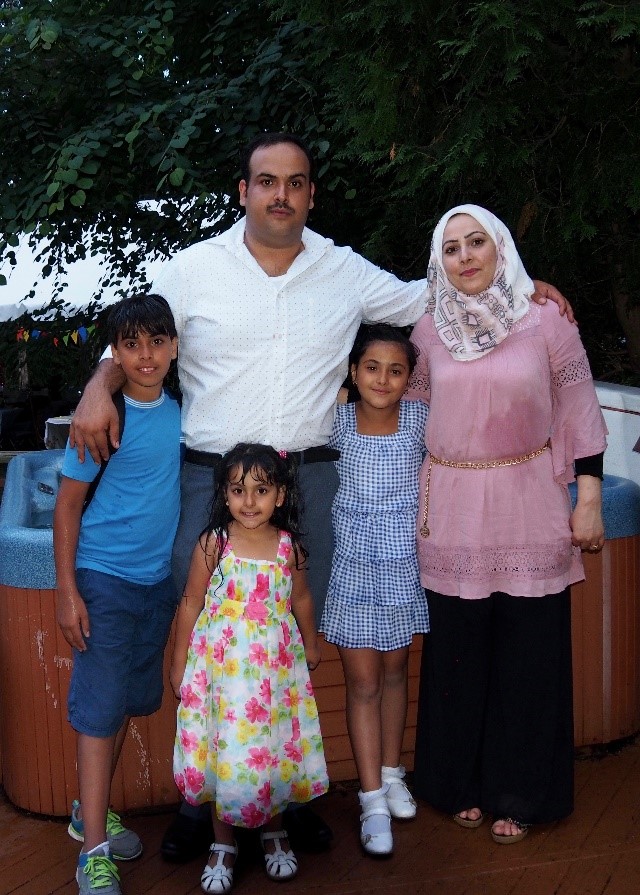
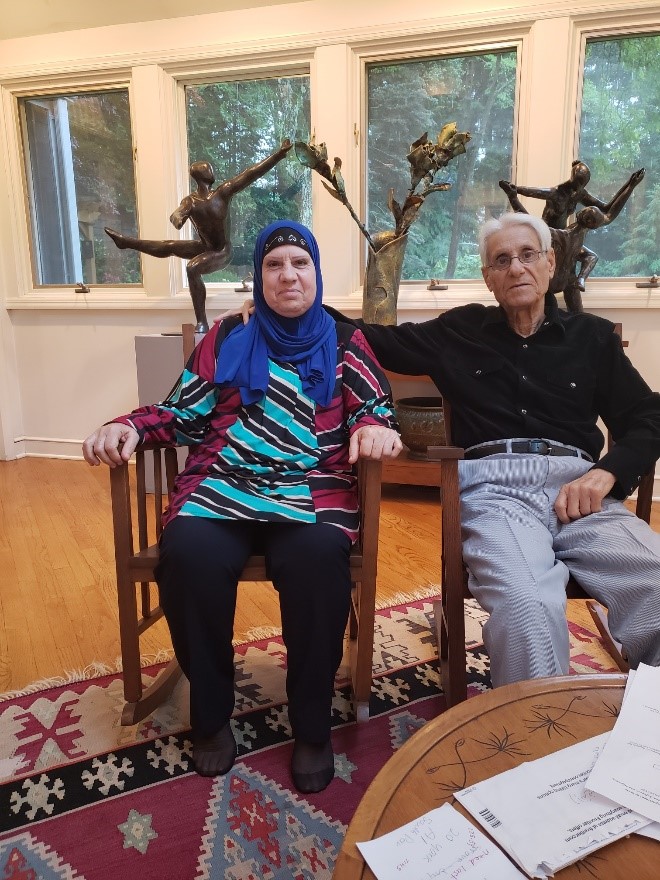
Family 2 – from Syria

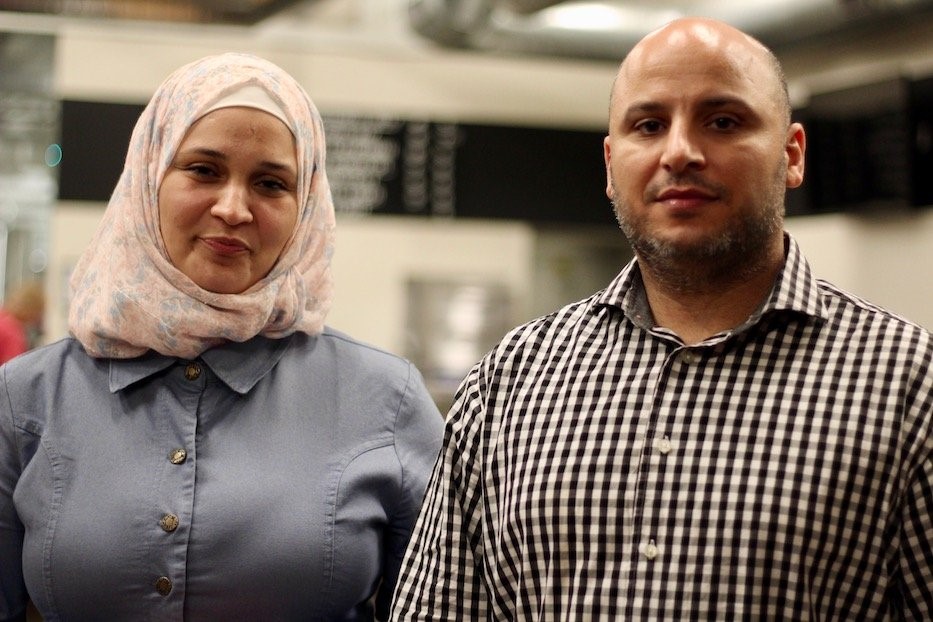
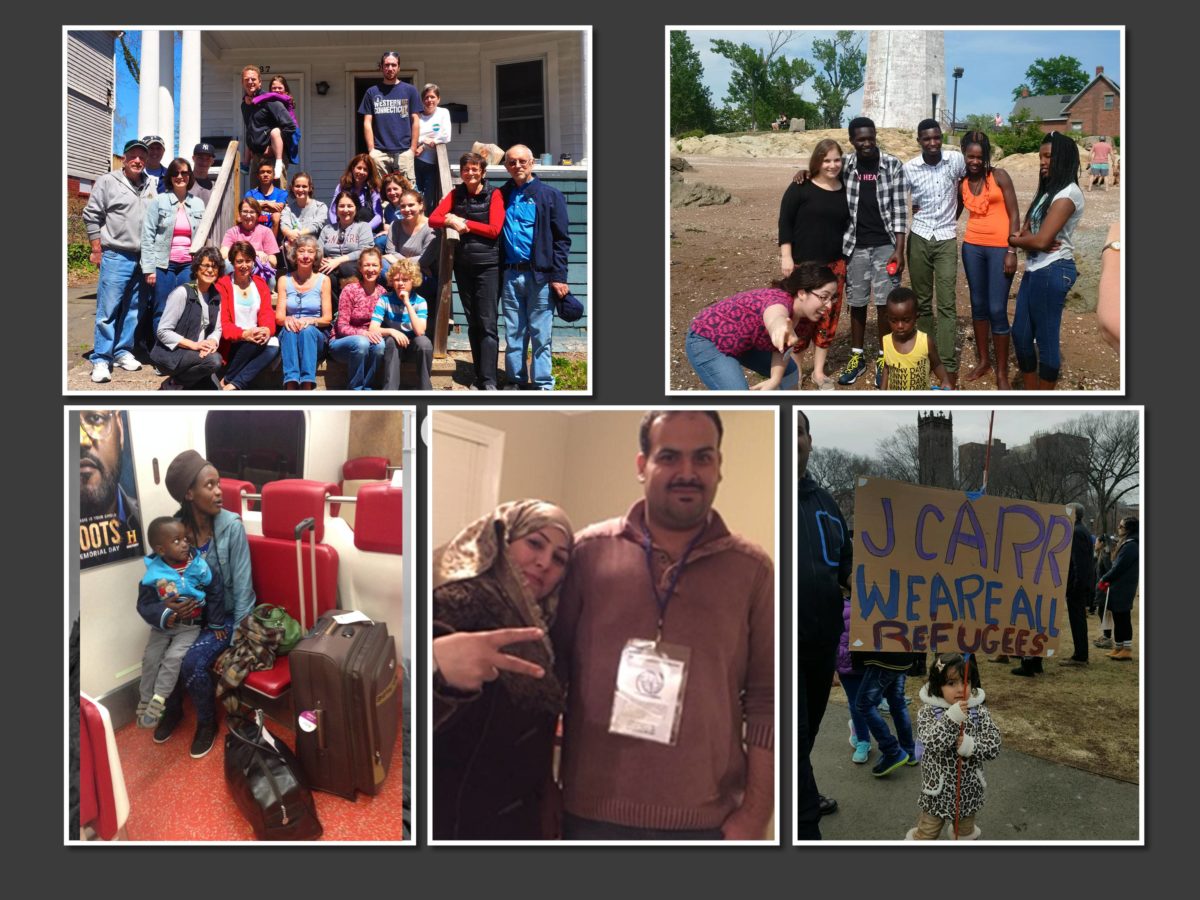
JCARR will sponsor families from any country and any religion. JCARR has now resettled five families: one from the Democratic Republic of Congo, two from Syria, one from Iraq, and an asylum-seeking family from Angola. JCARR serves as a co-sponsor through IRIS, Integrated Refugee and Immigrant Services of New Haven. Our efforts have been recognized as a model both of community co-sponsorship and of collaboration among synagogues. 

Family 3 – from Syria

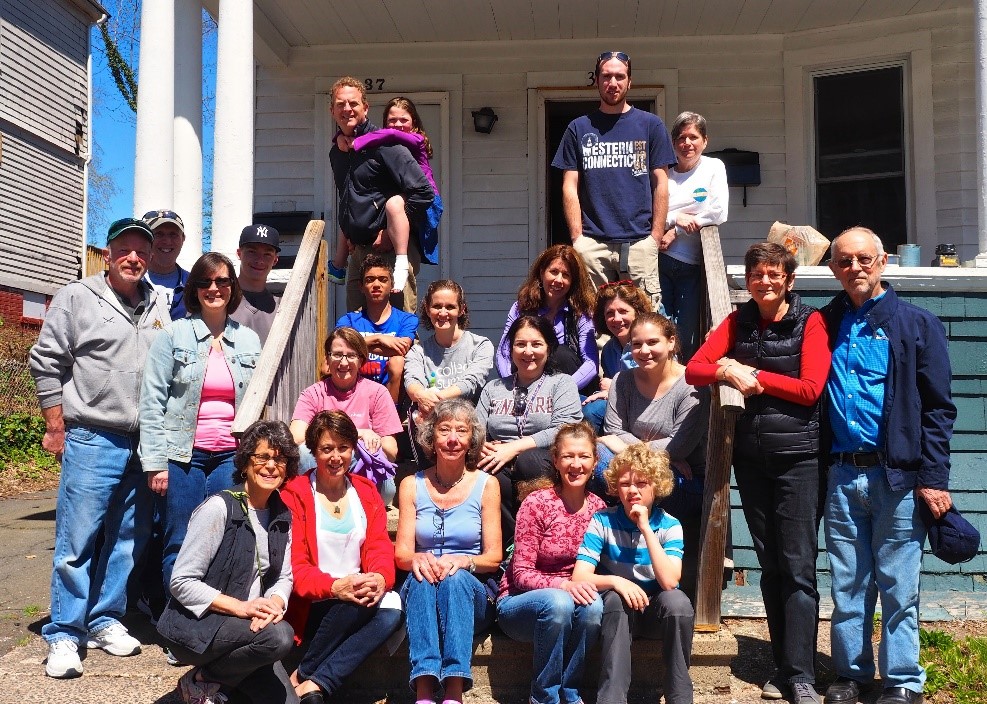
JCARR has scores of volunteers who work with task forces to find affordable housing, furnish and supply the home, and collect clothing.  JCARR volunteers meet the new families, offer them a warm welcome, and provide a warm, culturally appropriate meal in their new home upon their arrival. We help them enroll in English classes, organize tutors, register children for school, learn to use public transportation, navigate the American health-care system, and find jobs. Volunteers have taught them to drive and helped them get drivers licenses, for some of the women, for the first time in their lives! In some cases, JCARR obtained a donated car for new families.

Family 4 – from Iraq

The COVID-19 pandemic has affected JCARR families significantly.  Parents’ work hours have diminished and so has their income. Children are attending school online and unable to participate in extra-curricular activities. JCARR families may be suffering trauma anew, and JCARR is working to respond to their exceptional needs during this crisis. The situation has called for us to dig deep and become our best selves, and do more than we thought possible. JCARR models how a community can turn concern into action. JCARR demonstrates how people can form partnerships, and turn sad stories into success stories.

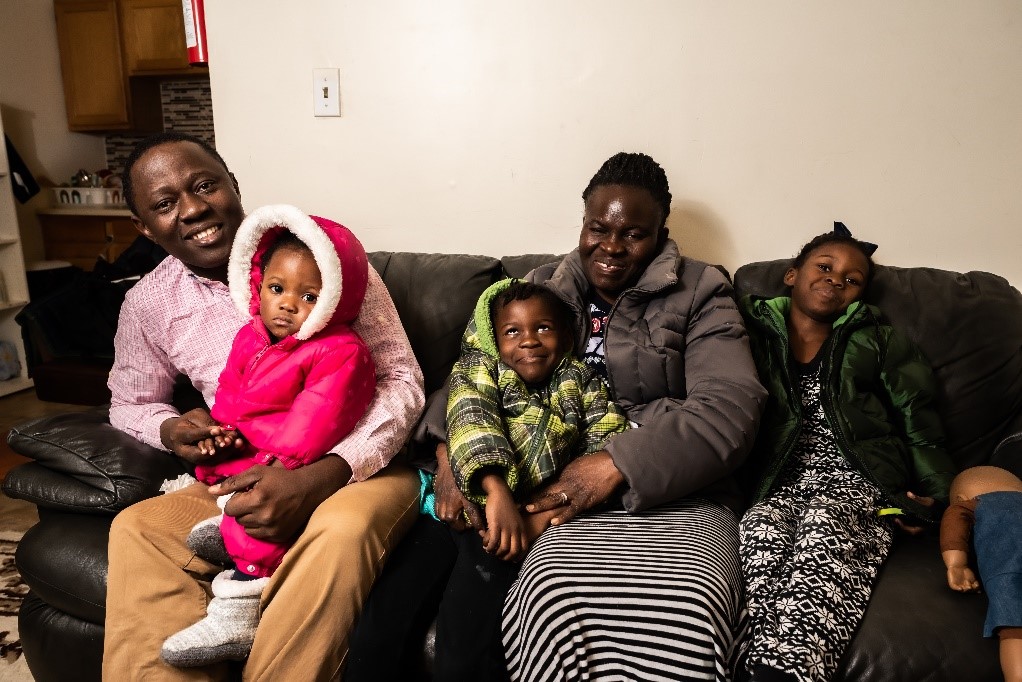
Family 5 – from Angola

The COVID pandemic shines a spotlight on those who are too easily left behind, and makes refugee resettlement efforts around the world even more imperative. Helping refugees in our community gives us a feeling of HOPE and a meaningful way to participate in Repair of the World.  

To make an online donation, go to: https://jewishnewhaven.org/refugee-resettlement/give  Or, send checks payable to The Jewish Federation, with JCARR in the memo line, to The Jewish Federation, Attention Amy Holtz, 360 Amity Road, Woodbridge 06525. We greatly appreciate your generous donations!

Jean Silk, a member of Temple Emanuel, serves as Coordinator of JCARR. For information, contact her at jsilk@jewishnewhaven.org

JCARR awarded a Kraus Immigration Justice Mini-Grant

The Jewish Community Alliance for Refugee Resettlement (JCARR) was thrilled to be awarded a Kraus Immigration Justice Mini-Grant of $5,000 to support vulnerable children during the Covid-19 pandemic.  The Kraus grant is an initiative of the Reform Movement’s Religious Action Center, which was formed in 1961 “to educate, inspire, and mobilize the Reform Jewish Movement to advocate for social justice”.  The Kraus grants this year are being given “to support and to encourage our congregations’ essential work with immigrant children and young people during the pandemic.”

Founded in 2015, JCARR is a coalition of Congregation Beth El-Keser Israel, Congregation B’nai Jacob, Congregation Mishkan Israel, Congregation Or Shalom, Temple Emanuel, and the Jewish Federation of Greater New Haven to further immigration work the congregations had separately engaged in since the 1980s.  Temple Emanuel submitted the grant application on JCARR’s behalf.

JCARR has successfully resettled four refugee families from the Democratic Republic of Congo, Syria, and Iraq, co-sponsoring them with Integrated Refugee and Immigrant Services (IRIS), the main refugee agency in Connecticut. We are also assisting IRIS with support for one asylum-seeking family from Angola.  Three of JCARR’s families have young children, ten in all.  All these families have been impacted by the Covid-19 crisis, especially in terms of their ability to keep up with the demands of distance learning for their children and their ability to pay for basic household needs.

Our Kraus mini grant will address these needs.  Specifically, we will: (1) upgrade internet speed in each household so that the children can better participate in remote learning;(2) create a “lending library” of print and electronic educational materials that are age-appropriate and proficiency-appropriate for children who are English learners; (3) provide training to the parents and ongoing tutoring for the children to make use of these materials, some of which will be gifted permanently to the families; (4) use a small portion of the funds to cover emergency expenses to allow families to continue to create a stable home environment for their children during the pandemic.

As a condition of the award, Temple Emanuel and Congregation Mishkan Israel, both Reform synagogues, have signed the Reform Movement’s Brit Olam, a “covenant to create a world in which all people experience wholeness, justice, and compassion.”  As signers, these synagogues commit to participate in peer-to-peer learning, sharing their successes and challenges, and holding themselves accountable to the larger Brit Olam community across North America. 

JCARR’s vision for refugee resettlement is rooted in our Jewish traditions of welcoming the strangers among us and of tikkun olam.  We are an all-volunteer organization. Our work is funded solely by contributions from fund-raising activities, grants, and individual donors. 

JCARR has committed to matching funds for the grant.  If you would like to make a donation to support this or JCARR’s ongoing work with immigrant and refugee families, you can send checks, payable to The Jewish Federation with JCARR in the memo line, to The Jewish Federation, 360 Amity Road, Woodbridge, 06525; Attention:  Amy Holtz.

CONECT @ TE

Co-Chairs, Alana Rosenberg and Jean Silk

Temple Emanuel is a member of CONECT, Congregations Organized for a Greater Connecticut. CONECT is a collective of churches, synagogues, mosques, temples, and civic organizations from New Haven and Fairfield Counties – representing more than 20,000 people from different races, faith backgrounds, and living in both cities and suburbs – that have joined together to take action on social and economic justice issues of common concern. Our efforts form the foundation of a powerful collective voice that demands change on the social, economic, and political issues affecting our families and our communities. CONECT has made an impact on issues as varied as gun violence, health insurance rates, police reform, immigrant rights, and more. CONECT’s website is  http://www.weconect.org/

Temple Emanuel members of mixed ages, interests, skills, experience and political preferences are involved with CONECT.  The projects we’re currently involved with include:

CRIMINAL JUSTICE REFORM TEAM 

Police Accountability: CONECT played a key role in getting the police accountability bill passed in the Summer 2020 short session of the Connecticut legislature. Next steps include educating the public about the bill and further action needed, in partnership with other CONECT congregations and authors of the legislation.   

Clean Slate: Believing that “A criminal record should not be a life sentence,” CONECT has a team working actively on CLEAN SLATE, a proposed bill that provides access to jobs, housing and education through criminal record expungement.  Contact Jean Silk to get involved.

Prison Reform: A subcommittee of the team will be setting in-prison advocacy reform goals in the coming months. Examples of issues may include abolishing solitary confinement and ensuring safety from COVID 19 in prison. Contact Alana Rosenberg to get involved. 

GET OUT THE VOTE COMMITTEE

Our goal is to encourage TE members to vote in the November election, either in person or by mail. Contact Linda Drazen or Betsy Ratner to get involved.

GUN VIOLENCE PREVENTION TEAM

The DO NOT STAND IDLY BY (DNSIB) campaign is using law enforcement purchasing power to press the gun industry on gun distribution and gun safety technology. There have been some discussions about gun violence in New Haven, and some are interested in distributing gun safety technology in the streets.  Contact Rise Siegel to learn more.

HOUSING

CONECT is working with Open Communities Alliance to build community understanding and support for changes in zoning to allow for affordable housing. Initial action has been based in Woodbridge. CONECT may expand this work to include other towns and partners. Contact Alana Rosenberg to get involved.

OTHER CONECT PROJECTS include addressing health care (fighting for mental health parity and lower insurance rates) and immigrant rights (defending the safety of all Connecticut residents by keeping ICE out of courthouses).

CONECT is a vehicle for taking action, in partnership with other TE congregants and other congregations, on issues that you feel passionately about. TE Members comment that getting involved with CONECT makes them want to get more involved in TE.  To learn more or to join CONECT at TE, contact Alana Rosenberg.

High Holy Days 5781 (2020)

High Holy Days 5781 (2020) will be the most unprecedented – not just in recent history, but perhaps in the entire Jewish history. Yes, pandemics and wars have happened before, preventing Jews from celebrating the Chagim in the traditional manner, but they have never affected all the Jews all over the world at the same time, and, most importantly, we didn’t have the technology that would allow us to successfully celebrate the chagim as a community despite being unable to gather in person!

Yes, this year’s High Holy Days at Temple Emanuel will be celebrated online. Yes, it will be quite different. Yes, we don’t like this either! But if these last few months have taught us anything, we know we yearn to be together, and we CAN be together online! In the coming weeks you will be receiving emails with links for the services and instructions on how to prepare. In the meantime, here are the times and dates of all the services that will take place this year, please make a note of the times, some of which may be a little different than usual. Please note that in place of our wonderful Children’s services we will have Family services in the afternoon of Rosh Hashanah and Yom Kippur. We also hope, weather and pandemic permitting, to gather outside for Tashlich on the second day of Rosh Hashanah.

The High Holy Days will be different, that much we know. But we also know that they will be special, as always. I can’t wait to see you all and celebrate these most special and sacred days – together, while being apart.

Shanah Tovah!

Joint URJ Selichot service (online) Saturday, Sept 12 @ 7.00pm

Erev Rosh Hashanah Friday, Sept 18 @ 7:00 PM

Rosh Hashanah I day Saturday, Sept 19 @ 10 am
Rosh Hashanah Family Service @ 3:00 PM

Rosh Hashanah II day Sunday, Sep 20 @ 10 am
Tashlich Sunday, Sep 20 3:00 PM

Kol Nidrei (Erev Yom Kippur) Sunday, Sep 27 @ 8pm

Yom Kippur Morning Monday, Sep 28 @ 10 am
Yom Kippur Family Service @ 3:00 PM
YK Study Session: with Bennett Graff @ 1:00 PM
Yom Kippur Mincha @ 4:30 PM
Yizkor, Neila and Havdalah Monday, Sep 28 @ 6:00 PM

Erev Sukkot Friday, Oct 2 @ 6:30 PM

Erev Simchat Torah Friday, Oct 9 @ 6:00 PM

Throughout the Festival services we will be using the visual tefilah, the words of the prayers will appear right on your screen. In addition, our movement has created a flip-book of the Machzor which you can access for free from any internet-enabled device.

Rosh Hashanah services can be found here

Yom Kippur services can be found here.

In addition, the digital version of the new machzor has been heavily discounted this year, you may want to purchase your own copy here.