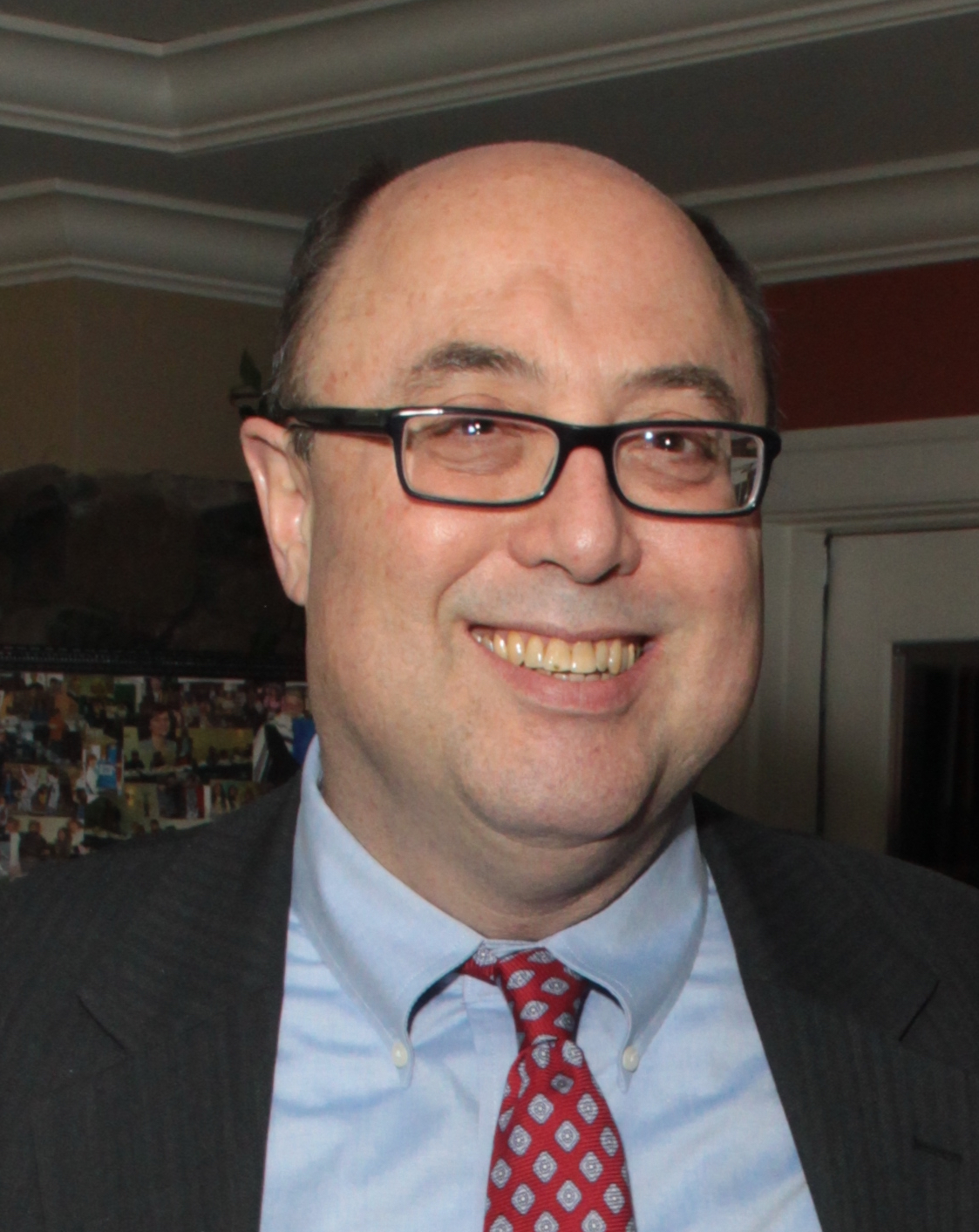
When I was young (many years ago), I used to wonder why many of the school holidays came around the same time. We have just gone through a very active period of holidays at Temple Emanuel – Rosh Hashanah, Yom Kippur, Sukkot, and Simchat Torah. With the holidays bunched together, it is a very meaningful period. We as a congregation have had the opportunity to spend much time together. After our long period of being unable to spend much time together, it is wonderful to share time again together.
I like to tinker. After years of trying to change our announcements from stating that we welcome visitors, I recently changed the announcement to welcome newcomers to our community. As you may have noticed over the high holy days, I have changed it once again this time to “family.” I think that more accurately sets forth what Temple Emanuel is – we are a family. We enjoy spending time together and catching up with both old and new friends, or should I say family. And do we ever enjoy participating in the services – for that I thank you.
Many of you know, I love tradition. And I love building on the foundation our predecessors have set up for us. In the coming months we will be discussing new ways to encourage our membership, our family, to be involved with Temple Emanuel. We will also be affording people the opportunity with new ways to be involved with lay leadership at Temple Emanuel. This will involve training and discussions. This teaser will be set forth in greater detail shortly.
I love my TE family. And I know you love it as well. There is a reason why we are growing, when other religious institutions are shrinking. Let us all move to the next level. Thank you.
“The individual may pray in prose or even in wordless silence; a congregation must sing or disband.” Israel Abrahams, Poetry and Religion (1920)
Music has always been a part of Judaism. From the Levites who sang the Psalms and played instruments on the steps leading to the Temple in Jerusalem, to the ancient system of cantillation, a special way to chant the Torah; from the melodic way of studying and memorizing rabbinic texts of Mishnah and Talmud to the Hassidic niggunim, often simple melodies that were credited with being as powerful as the most well-composed prayers. There are numerous Hassidic sayings about the significance of melody, as the Zohar (foundational work of Jewish mystical thought) puts it, in “opening those heavenly gates that are firmly shut except to song and tears…”
Music stirs our souls in a way that words often cannot, activating emotions within us that we did not know existed… Music is such a strong presence in Temple Emanuel’s worship style that it is almost unimaginable without it! Yet music in worship (especially instrumental music) has a complicated history in Judaism. Following the destruction of the Second Temple in 70 CE the rabbis placed a ban on the use of music in general, especially in worship, as a sign of mourning. It is not hard to imagine that having witnessed the devastation, the last thing they wanted to do was sing… Another complication was the prohibition against playing musical instruments on Shabbat – not because the act itself is a violation of Shabbat (it was permitted in the Temple in Jerusalem), but out of much more technical considerations (to prevent the carrying of the instrument, its tuning or repair, if needed, all of which were considered violations of Shabbat). Even the shofar blowing on Rosh Hashanah was suspended if it fell on Shabbat!
From the very beginning, the Reform Movement insisted on bringing the music back to worship, back to the synagogue, back to Shabbat. Music and joy were always part of Judaism, and now they were making a comeback! Synagogues installed pipe organs and commissioned talented and popular composers of the time to write music settings for services in the synagogue, giving us the profoundly inspiring music of Lewandowski, Bloch, Sulzer, and many others. The music they wrote for the services was spiritual and uplifting. It was also very modern and reflective of the 19th-century popular music styles.
As the popular music styles changed in the second half of the 20th century, a new kind of music entered the world of the synagogue worship. The pipe organs were joined (and often replaced) by guitars and electric pianos. Temple Emanuel, founded in 1962, is a true ‘child’ of that era – from the very beginning, our services were accompanied by guitar music, with the entire congregation singing along, rather than relying on a powerful pipe organ and a professional cantor or choir to provide music for the worship experience. In fact, it is probably safe to argue that music has been one of the main defining features of the new congregation, as well as many others that appeared in the 1960s and 1970s around the country.
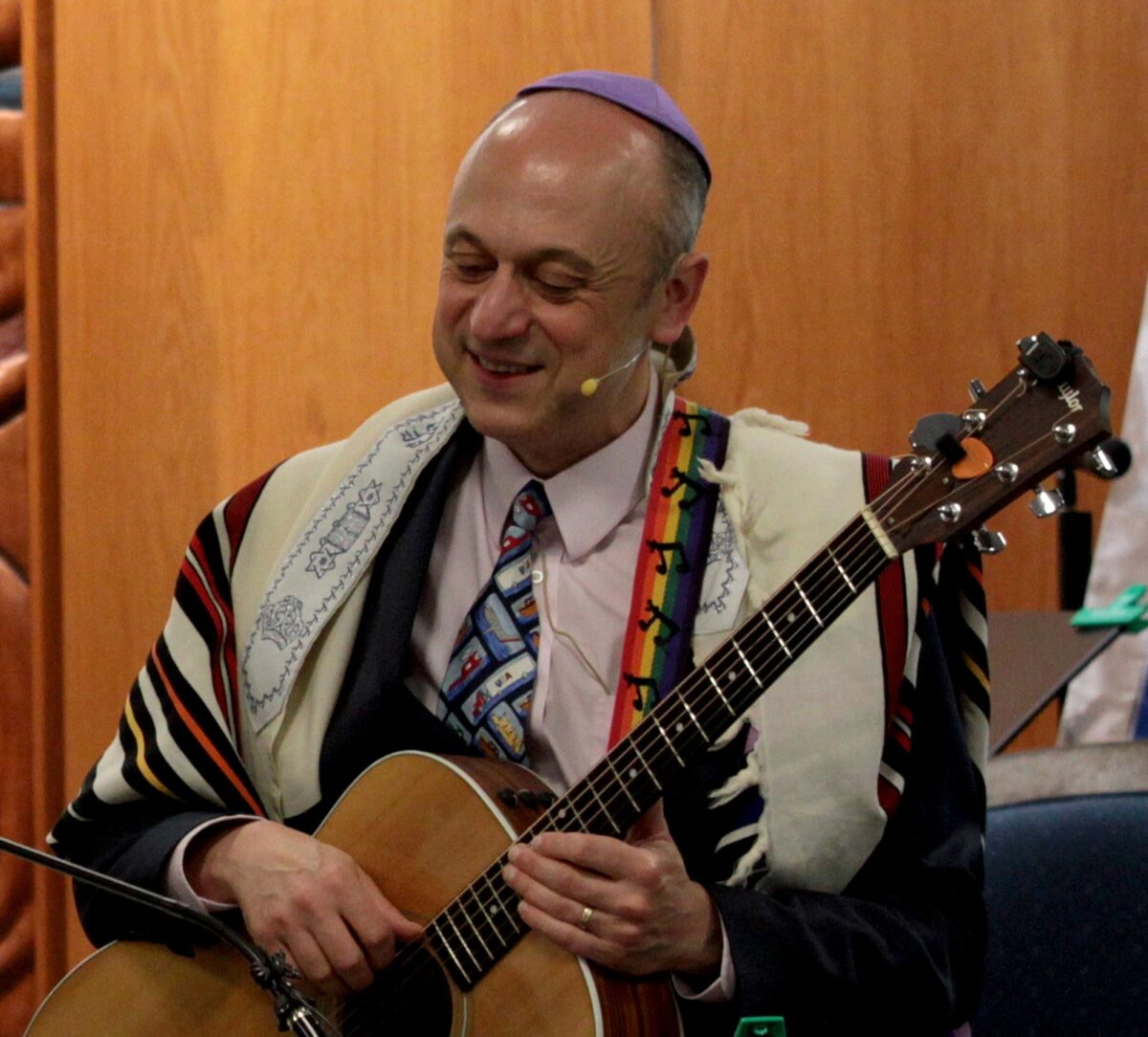
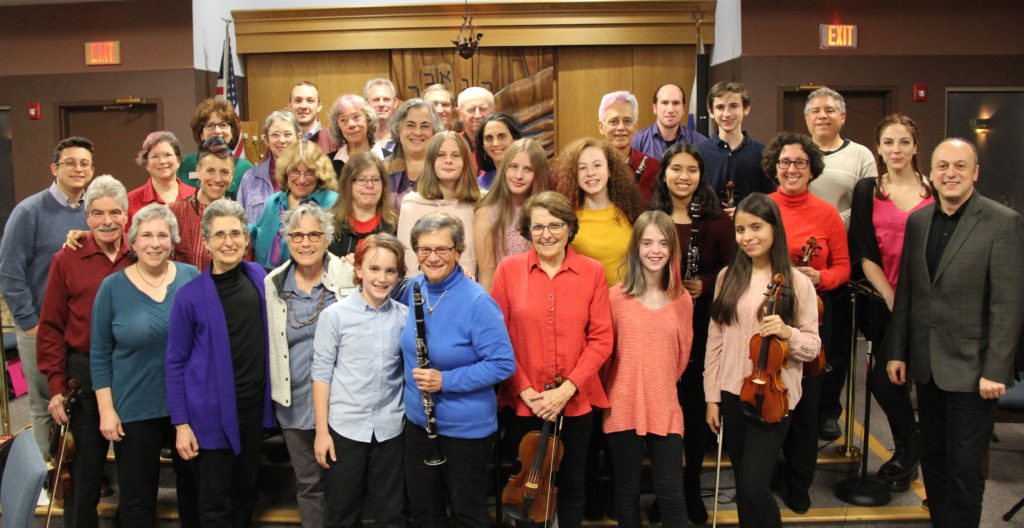
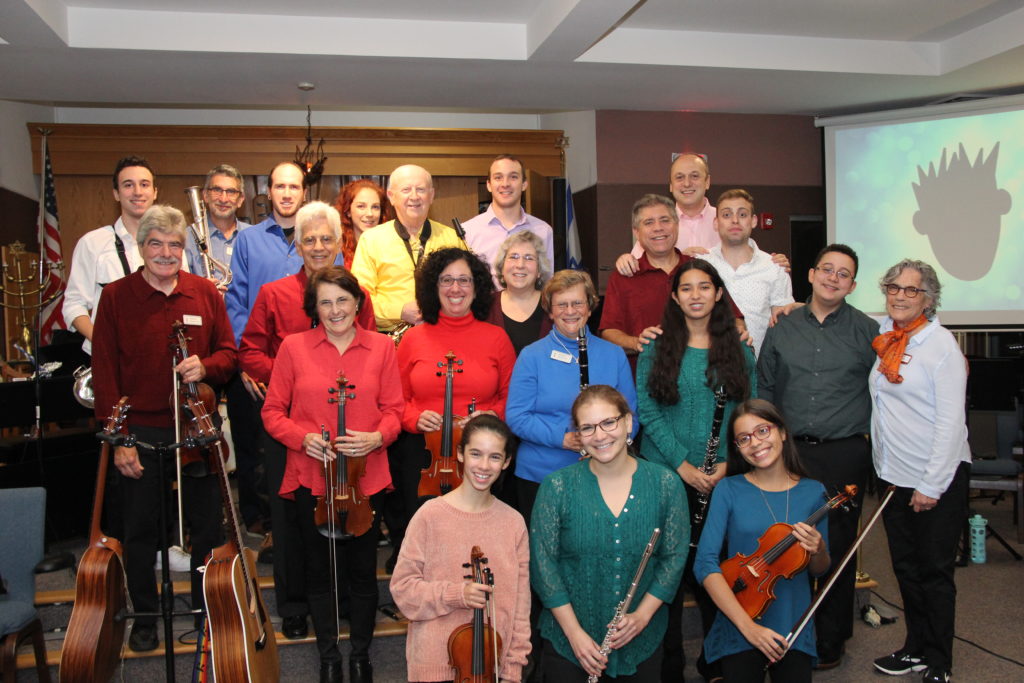
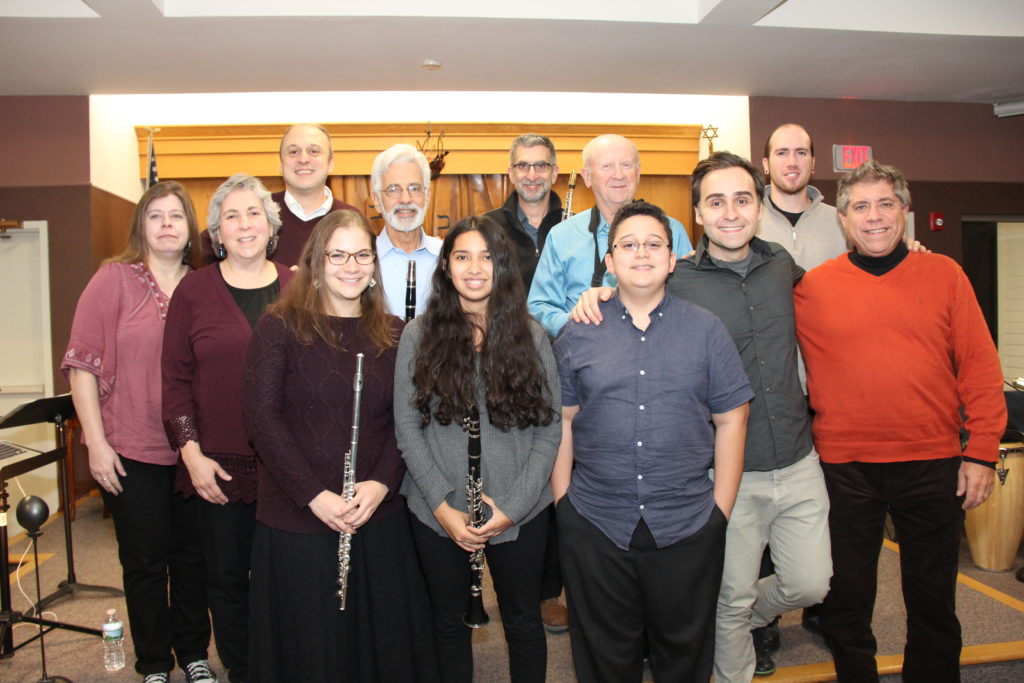
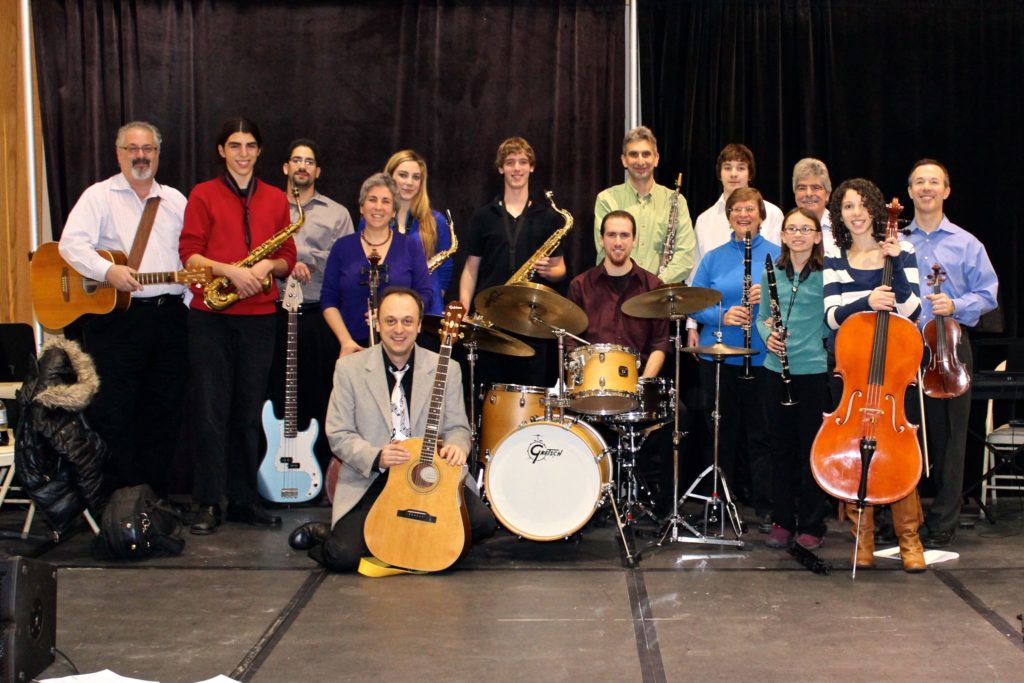
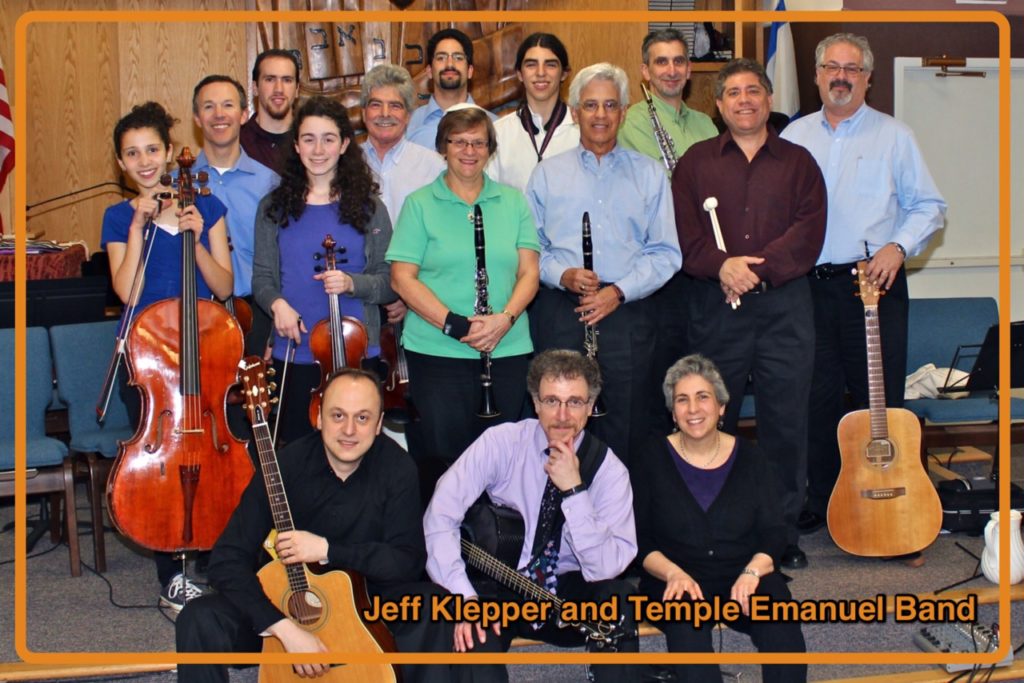
For more than a decade now the TE band has been a part of a further experiment with music at TE services – and what an incredible experience this has been! Under Laurel Shader’s wonderful leadership up to 22 TE members of different ages, from middle school to retirees, have played together on various occasions, giving a new meaning to ‘musical Shabbat’ at Temple Emanuel!
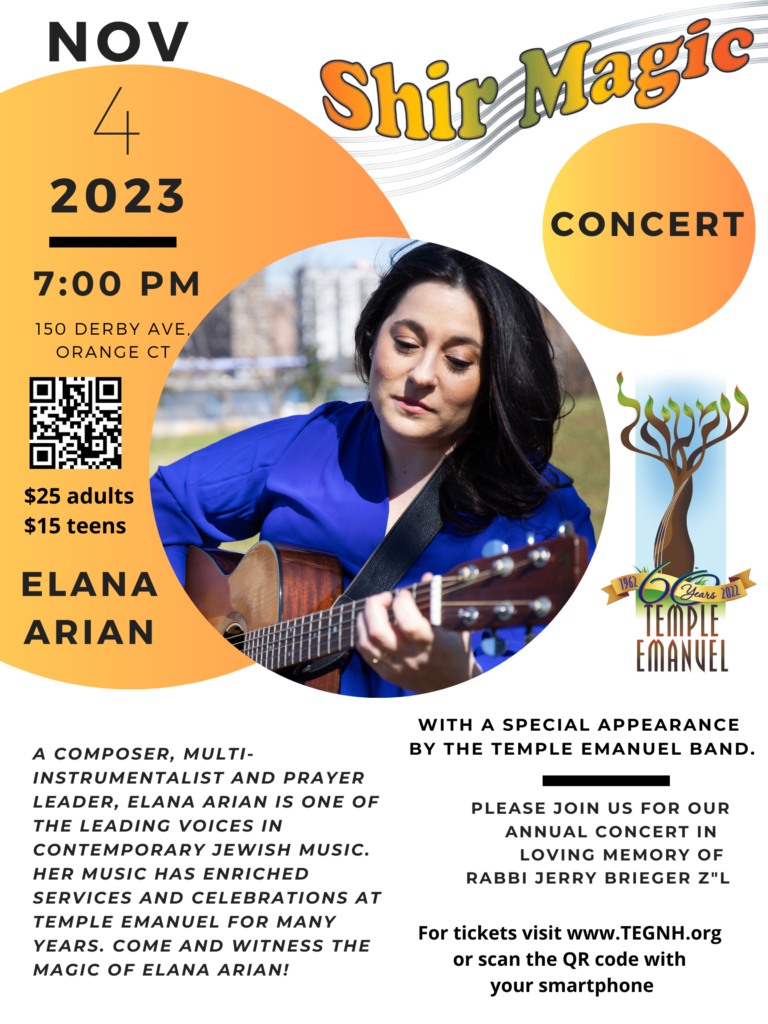
As we continue to bring music to our worship, with the full TE band and with small groups of musicians, with a solo guitar and even a cappella – allowing the music to nurture our souls and lift our prayers straight to heaven – I am delighted to remind you that we have an amazing musical program coming up on November 4th! A world-renowned singer and composer, Elana Arian, is coming to Temple Emanuel! We know and love Elana’s music; it has enriched our worship at TE over the last few years, and we look forward to welcoming Elana as our Shir Magic performer this year! Shir Magic is the Annual TE Concert in loving memory of Rabbi Jerry Brieger z”l
You can get your tickets in advance right here. Please spread the word, and I look forward to enjoying this special musical evening together. The TE band will of course make an appearance, and you can hear it next at Shabbat Chanukkah on December 8th!
P.S. Play an instrument? Want to join the band? Speak to Laurel Shader or Rabbi Farbman!
Temple Emanuel Band with Jacob ‘Spike’ Kraus at Shir Magic Concert 2018
At one point or another, all of us have said these short words. Often, multiple times a day! As you read this column shortly before the start of High Holy Days, you are most likely concentrating on the ‘oops’ part – that is the nature of ‘accounting of our soul’, or cheshbon hanefesh. This time of year we are encouraged to take stock of our lives and our actions, acknowledge our failings and seek ways to perform teshuvah, ‘return’ to the vision of ourselves that we aspire to be… And while this time between Rosh Hashanah and Yom Kippur, and this process of teshuvah is extremely important, I am always mindful of the fact that we should pay even more attention to our actions between Yom Kippur and Rosh Hashanah!
So how do we do this? How do we elevate our daily and weekly experiences to allow for such thoughtful action? One of the traditional answers to this question is to rely on the structure of services and both individual and communal prayer. Our prayerbook, also known as the Siddur, is a sacred and essential tool that guides the individual and communal worship practices. This meticulously crafted compilation of prayers, blessings, and liturgical texts serves as a gateway for expressing gratitude, seeking guidance, and fostering a deep spiritual connection with each other and with the divine.
Temple Emanuel has its own prayerbook, Seder Tefilot Emanuel. This wonderful and warm book has inspired generations of TE members – and continues to do so! It began as a loose-leaf collection of prayers in the early TE years, then became a ‘Yellow Prayerbook’ and eventually took shape that we know and love over 20 years ago. It has survived two reprints and has served our community as a truly magnificent tool. In addition, after a few years of exploration and discovery, we have adopted the Reform Prayerbook ‘Mishkan Tefilah’, to be used alongside ‘Seder Tefilot Emanuel’. Although quite different in design and content, these two wonderful books help shape the worship at Temple Emanuel. In 2018 we adopted the recently published Mishkan HaNefesh as our High Holy Days machzor, and it has enriched our experience of the High Holy Days in a profound way.
This fall we will once again get together to explore the Jewish Liturgy. In this enriching journey, we will delve into the profound world of Jewish prayer and explore the intricate tapestry of rituals, texts, and melodies that have woven the fabric of Jewish worship for centuries. From the heartfelt expressions of gratitude to the introspective moments of self-reflection, Jewish liturgy offers a remarkable insight into the spiritual essence of the Jewish people. Join us as we uncover the history, significance, and deep connections that make up the mosaic of Jewish liturgical traditions. Whether you are a curious learner or seeking to deepen your understanding, this course promises to illuminate the beauty and meaning embedded in every word, every note, and every gesture of Jewish prayer.
The new course begins on October 8th and will run on Sundays at 11 am. Advance registration is required, please follow this link to sign up!
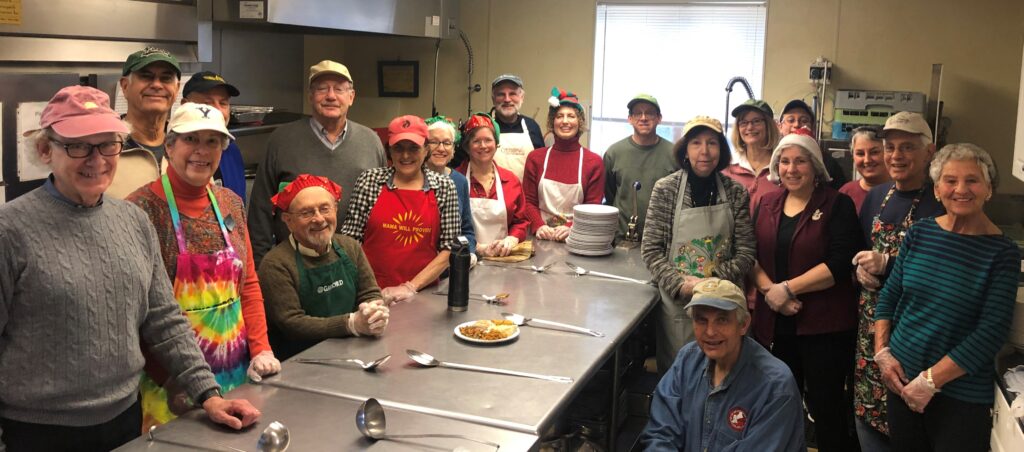
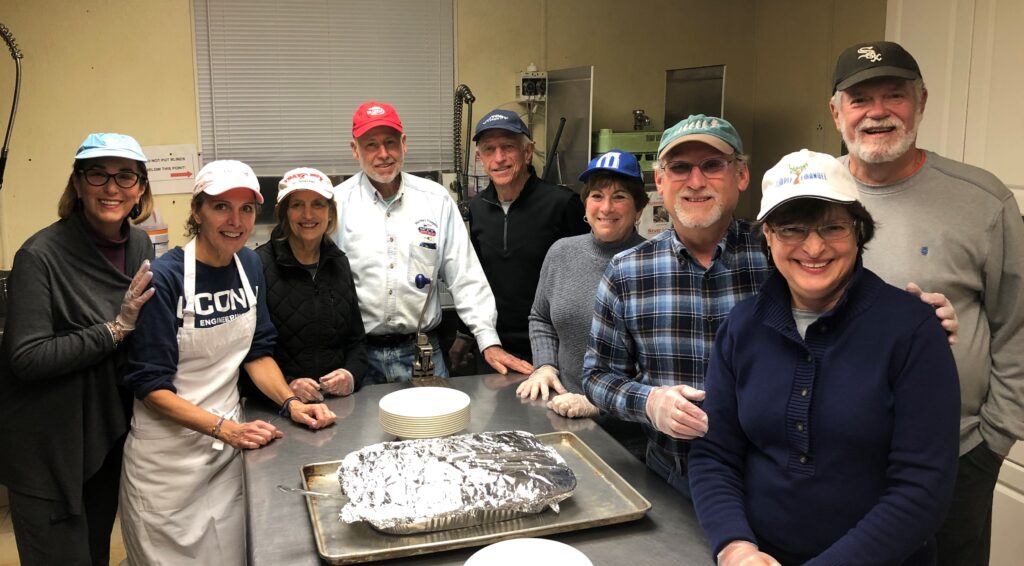
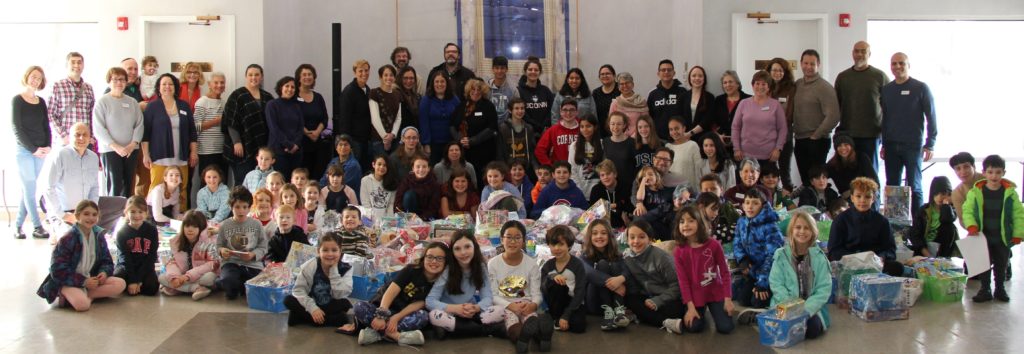
TE members performing ‘reverse tashlich’ on the beachReverse TashlichServing meals at Beth-El shelterChanukah basketsJCARRFood DriveJCARR
Your Tikkun Olam Committee encourages your active support and participation in the following activities. Please read The Shofar and the weekly Shofar Blastsfor more information concerning all of these projects.
Interfaith Service Day Sunday, August 6th
Join with a group of TE volunteers and those from other congregations for an interfaith day of service. This is a perfect Tikkun Olam activity for family participation.
Jean Silk, Coordinator
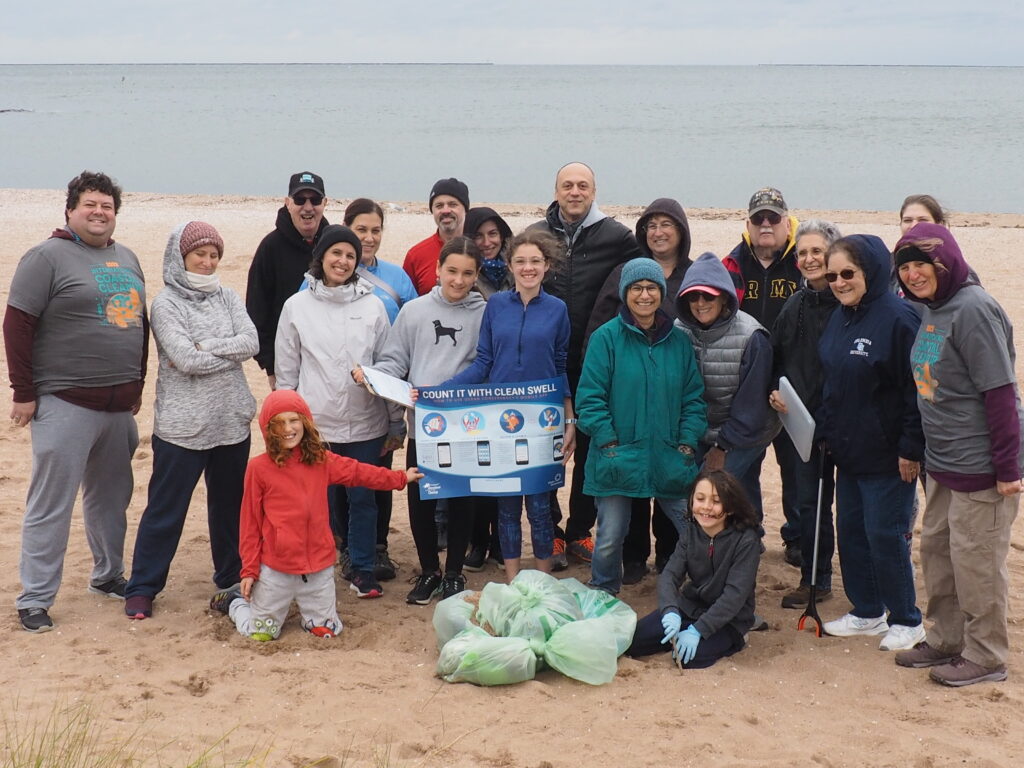
2nd Annual Reverse Tashlich (A Rosh Hashanah tradition) – Sunday, September 10th
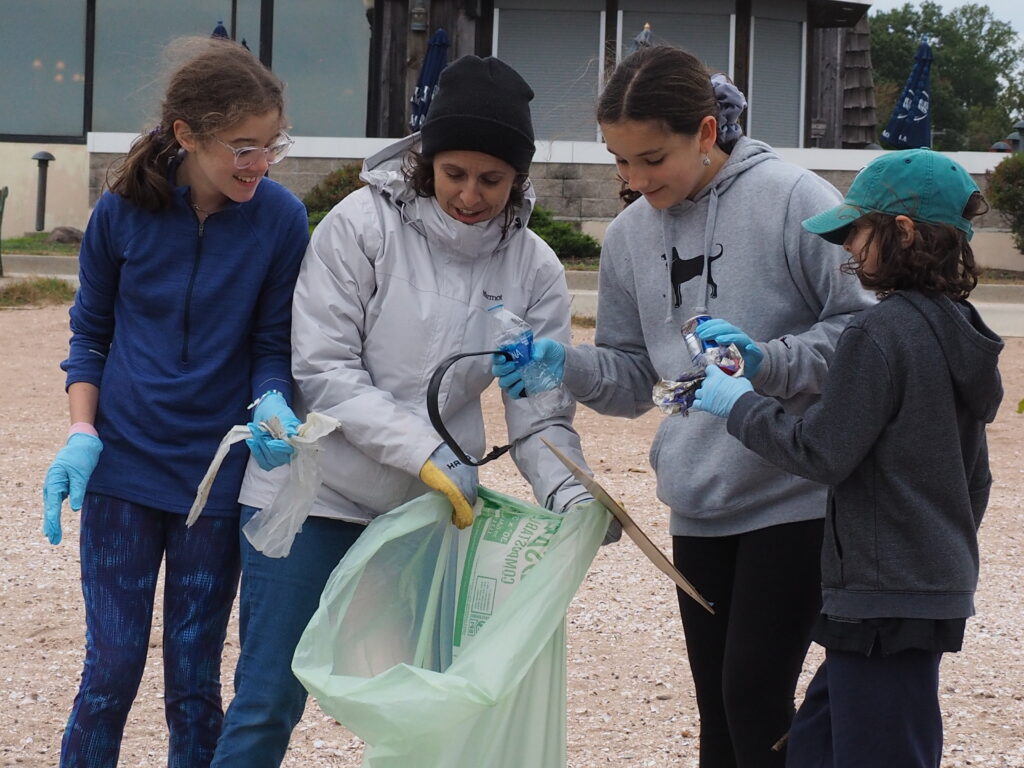
Partner with ‘Repair the Sea’ and ‘Save the Sound’ to remove litter from our local beaches. This is a perfect Tikkun Olam activity for family participation.
Karen Fenichel and Adam Spiewak, Coordinators
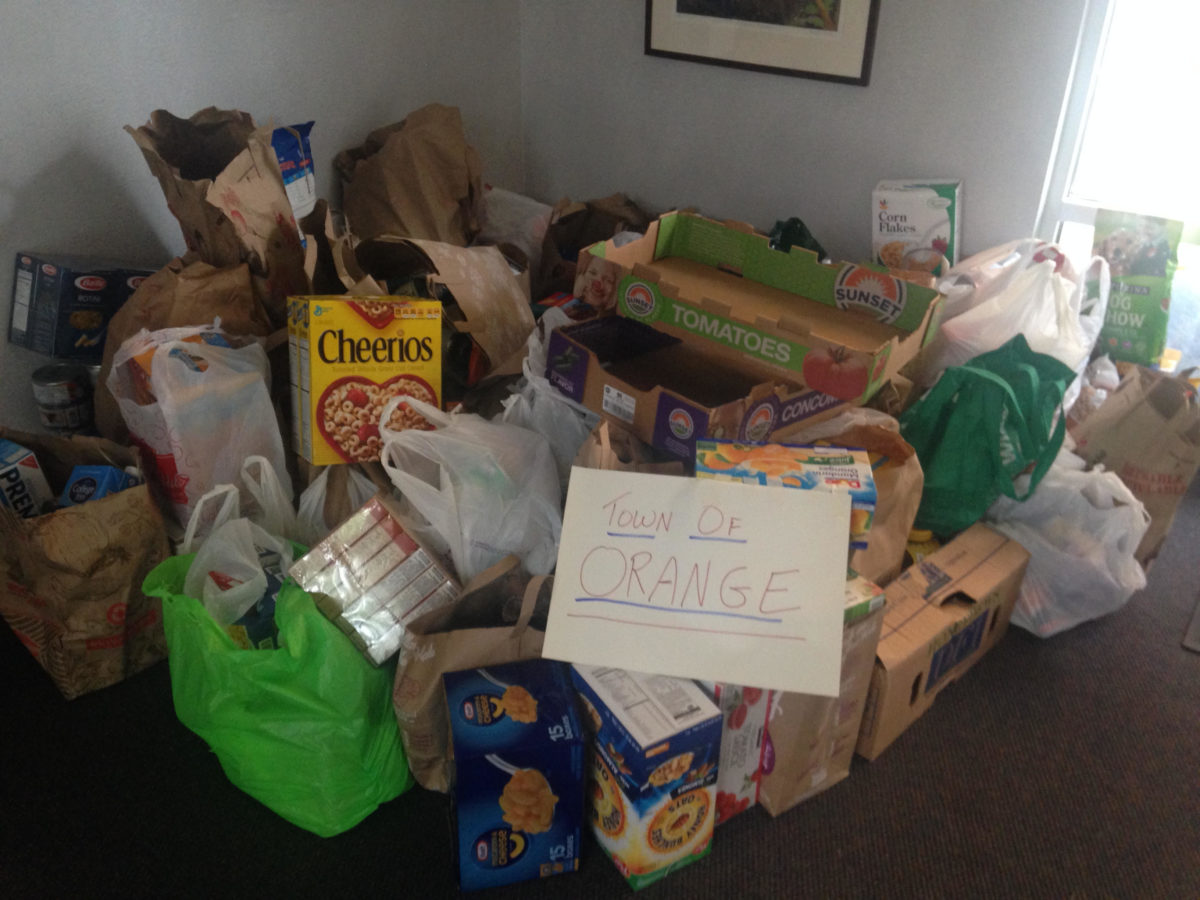
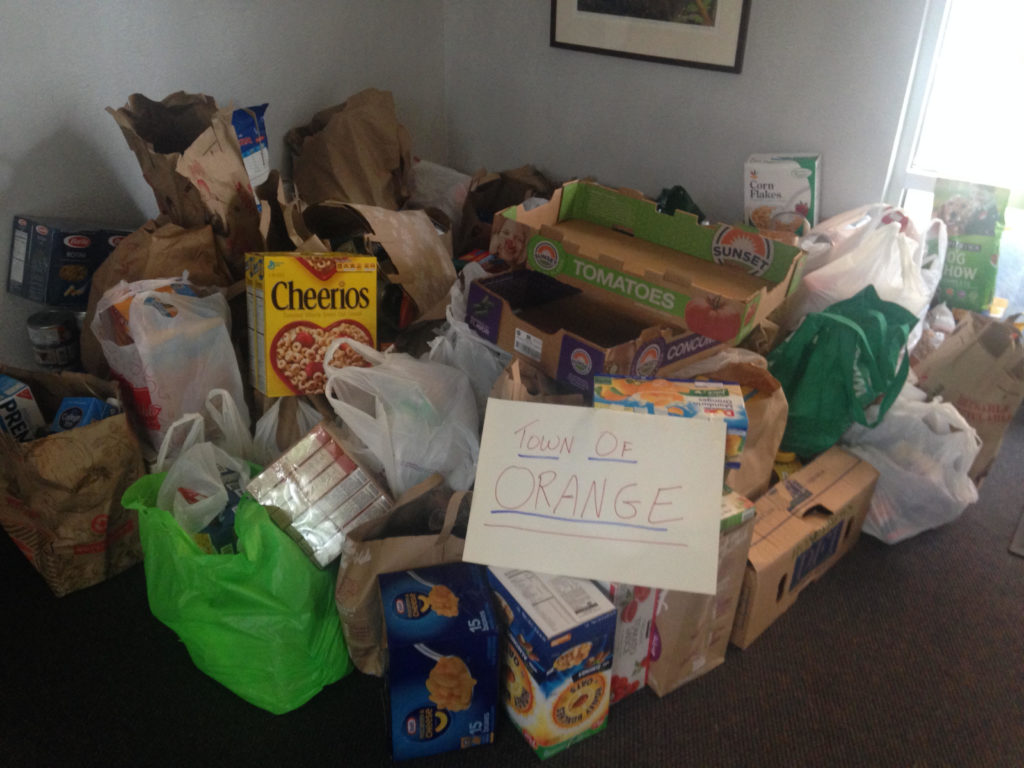
30th Annual High Holy Days Food Drive
September 15th – October 6th (Through the Rosh Hashanah, Yom Kippur, & Sukkot holidays)
Donate non-perishable food to be distributed to the food pantries of both the Jewish Family Service (JFS) and the Town of Orange. Monetary donations can also be sent directly to these two food pantries.
Will Sherman, Coordinator
Annual Thanksgiving Frozen Turkey and Pie Collection
October 22nd – November 12th (pre-Thanksgiving)
Donate frozen turkeys and pies to be distributed to the Downtown Evening Soup Kitchen (DESK).
Jeff Levinson, Coordinator
Annual Diaper Drive (Dates to be determined)
Donate diapers to be distributed to the Conn. Diaper Bank to assist needy families with their baby needs. Monetary donations can also be sent directly to this agency.
Michelle Bailey, Rochelle Kanell, and Rise Siegel, Coordinators
Annual Purim Pasta Collection March 24th
The Religious School children bring in and use boxes of pasta as groggers during the Purim service and they are then donated to the Beth-El Homeless Shelter & Soup Kitchen in Milford.
Nancy Weber, Coordinator
Columbus House Fundraiser February 15th – March 17th
As a Mishloach Manot tzedakah activity for Purim, we will hold a fundraiser for the Columbus House Homeless Shelter.
This activity might be combined with Abraham’s Tent (Please see next item.)
Annual Abraham’s Tent Project (Date to be determined)
Prepare/serve dinner and socialize with a small group of selected homeless men at a partner church in Hamden coordinated by the Columbus House Homeless Shelter. Additionally, there’s a possible opportunity for a few TE members to then sleep over. This is a great hands-on activity. During Covid, when we couldn’t meet in person, this Tikkun Olam activity was converted to a monetary collection to support Columbus House.
Barb Levine-Ritterman and Lee Stolzman, Coordinators
Annual Beth-El Shelter Collection May
Donate towels, bed sheets, underwear, and socks for the Beth-El Homeless Shelter in Milford
Nancy Weber, Coordinator
In addition to the above Tikkun Olam Project, members of Temple Emanuel are actively involved in a variety of additional activities and we urge your active support and participation.
Religious School Tikkun Olam Projects (Olga Markus and the Religious School staff, students, and parents)
Chanukah Baskets – November 19th – December 10th
Toys, books, games, clothing, and personal hygiene/care objects to be donated to JFS, r’Kids Family Center, Fair Haven Community Health Center, and Fellowship Place
Purim Mitzvah Project (Date to be determined)
“Blessing Bags” with hand-written notes and personal hygiene/care objects to be donated to the homeless programs of Columbus House and Fellowship Place
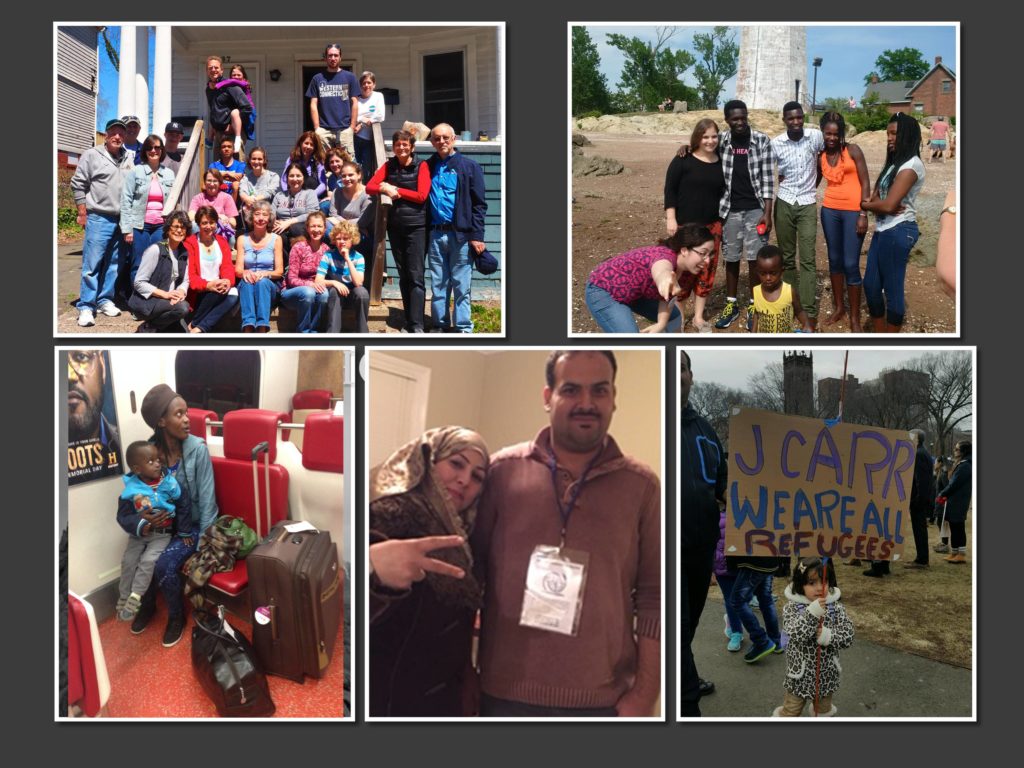
Jewish Community Alliance for Refugee Resettlement (JCARR)
A partnership of six local synagogues and the Jewish Federation of Greater New Haven, JCARR has thus far helped welcome and relocate eight refugee families from around the world. Your ongoing support and assistance is greatly appreciated.
Jean Silk, Coordinator
Congregations Organized for a New Connecticut (CONECT)
Keeping within our Jewish values of “Justice, justice you shall pursue,” CONECT is an organization devoted to social and economic justice, gun violence and health insurance issues, police reform, and immigration rights.
Alana Rosenberg, Coordinator
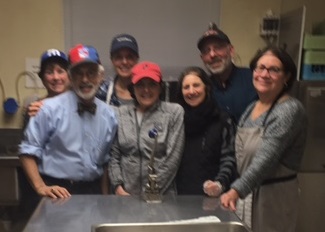
Beth-El Shelter and Soup Kitchen (in Milford)
Volunteers from TE prepare and serve dinner on the first Tuesday of each month. This is a great hands-on activity.
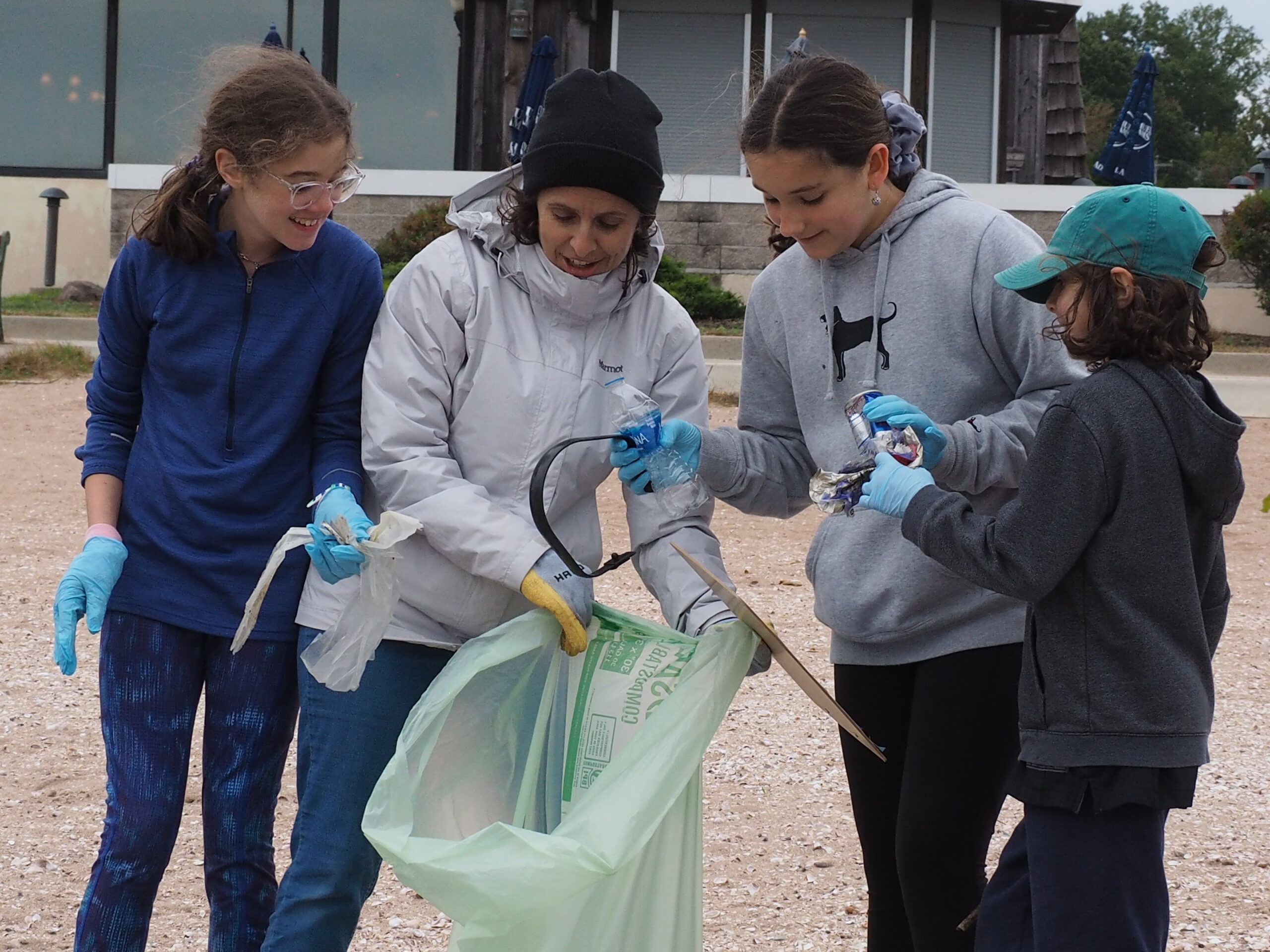
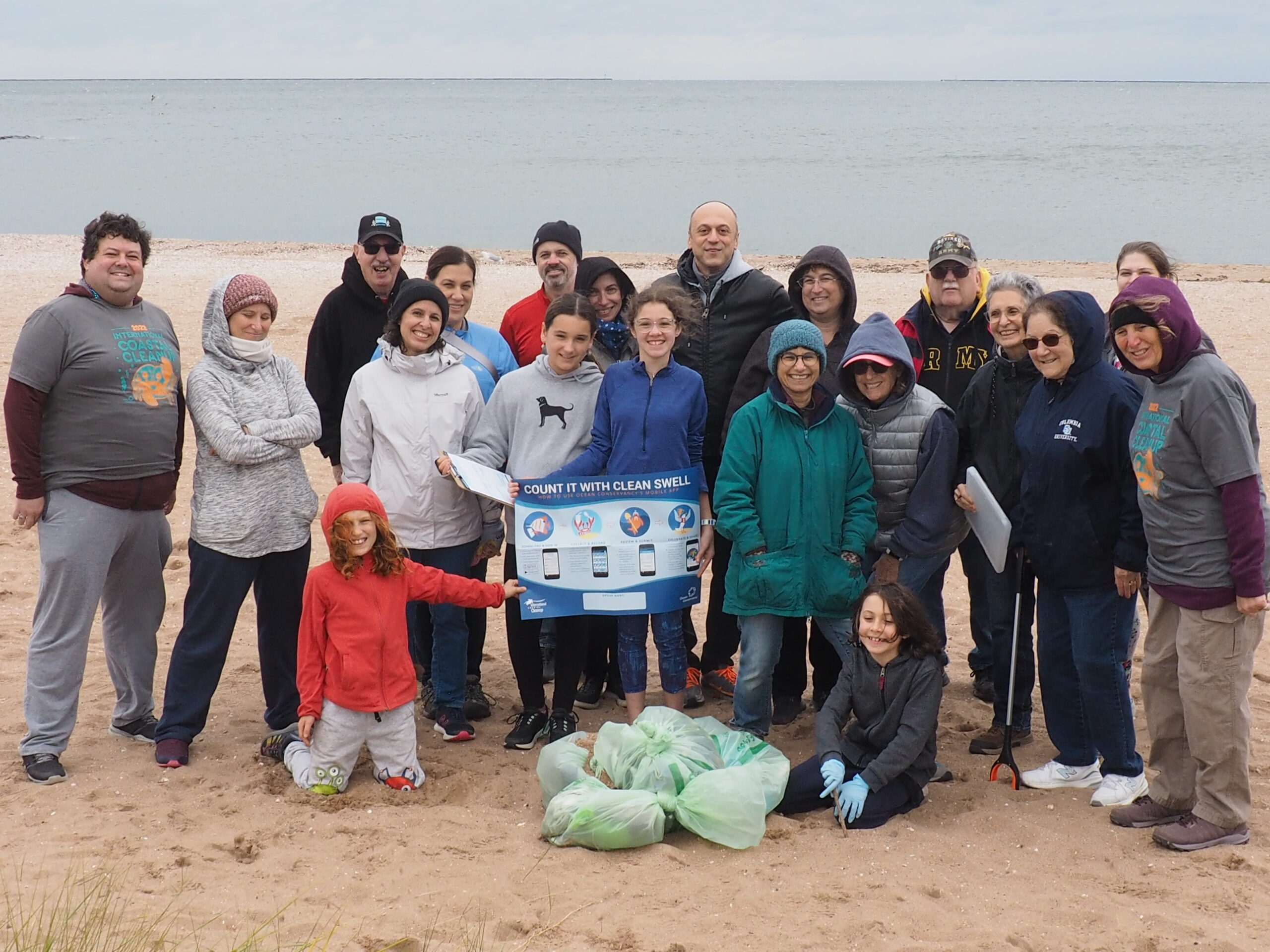
TE members performing ‘reverse tashlich’ on the beach
Join other TE members as we remove ‘sins’ from the ocean by cleaning up Woodmont Beach as part of TE’s second Reverse Tashlich. The event, part of a worldwide event, takes place on Sunday, Sept. 28 at 1:00 p.m. at Woodmont Beach.
“For hundreds of years, Jews have symbolically thrown their sins into the water on Rosh Hashana,” says Karen Fenichel, co-chair. “We’re going to remove some of mankind’s sins by cleaning up the beach as part of Reverse Tashlich.”
Individuals, families and friends are invited to join the effort, which nationally is part of the Sixth Annual Reverse Tashlich. While we are working on Woodmont Beach, Jews around the world will be cleaning up waterways and beaches near their homes. The effort is the largest Jewish aquatic restoration community in the world. The Reverse Tashlich is sponsored internationally by Repair the Sea. Locally, Save the Sound is assisting with our effort.
“Doing Reverse Tashlich around Rosh Hashana allows us to connect spiritual and ethical values with environmental stewardship,” said Adam Spiewak, co-chair. “When you realize how much trash there is on the beach, it really makes you think about what we’re doing to the world and what we can do about it.”
To learn more about Reverse Tashlich please check out the Reverse Tashlich website here. To register to participate please follow this link.
Joint URJ Selichot service (hosted by Congregation B’nai Israel, Southbury) Saturday, Sep 9, 7.00pm
Erev Rosh Hashanah Friday, September 15, 8:00 PM
Rosh Hashanah I day – Saturday, September 16, 10 am Rosh Hashanah Children’s Service Saturday, Sept 16 9:45 AM Tashlich Saturday, September 16 immediately after the kiddush
Rosh Hashanah II Day Sunday, September 17, 10 am
Kol Nidrei (Erev Yom Kippur) Sunday, September 24, 8pm
Yom Kippur Morning Monday, September 25, 10 am Yom Kippur Children’s Service Monday, September 25, 9:45 AM
Yom Kippur Mincha Monday, September 25, 4:30 PM Yizkor, Neila and Havdalah Monday, September 25, 6:00 PM (followed by community-wide break-the-fast)
I am sitting at my computer, ready to write my Shofar column. It is very early April; the baseball season has just started, and it is also before Passover. By the time you get to read this, the baseball season will be well underway and Passover will be a distant memory.
There was a time when we relied on the print media for up to the date news. There are those of us who remember checking stock prices in the tables printed in the next day’s newspapers. Now, we get them instantaneously on the internet. We used to rely on newspapers for breaking news. Now we get it from the radio, TV, and the internet.
Much has changed at TE since the last Shofar. Various events have taken place, education has improved, and physical as well as security improvements have occurred. TE is a better place due to these developments. However, by the time this article gets to you, it will be old news. Jen and Ann do much to keep the Shofar topical. The Shofar has evolved to meet our needs. “Breaking News” now shows up in the emailed Shofar Blast and in the Announcements at services. The Shofar continues to be a vital part of our communication system, but now rather than being devoted to “breaking news”, it communicates future events as well as contemplative pieces. We are not forsaking our traditions, but as I stated above, we are having them evolve to meet the current and future.
I make no secret of my love of baseball and its traditions. But like at TE, those traditions have evolved to meet current demands. As I write this in very early April, I look at the baseball rule changes positively, as they have sped up the game, without detracting from it. Who knows, maybe by the time you read this, I will have changed my mind. But baseball and TE have much in common, and while both have traditions that are loved, we also need to lightly tinker with them to meet the needs of the fans, in the case of baseball, and the congregation, in the case of TE.
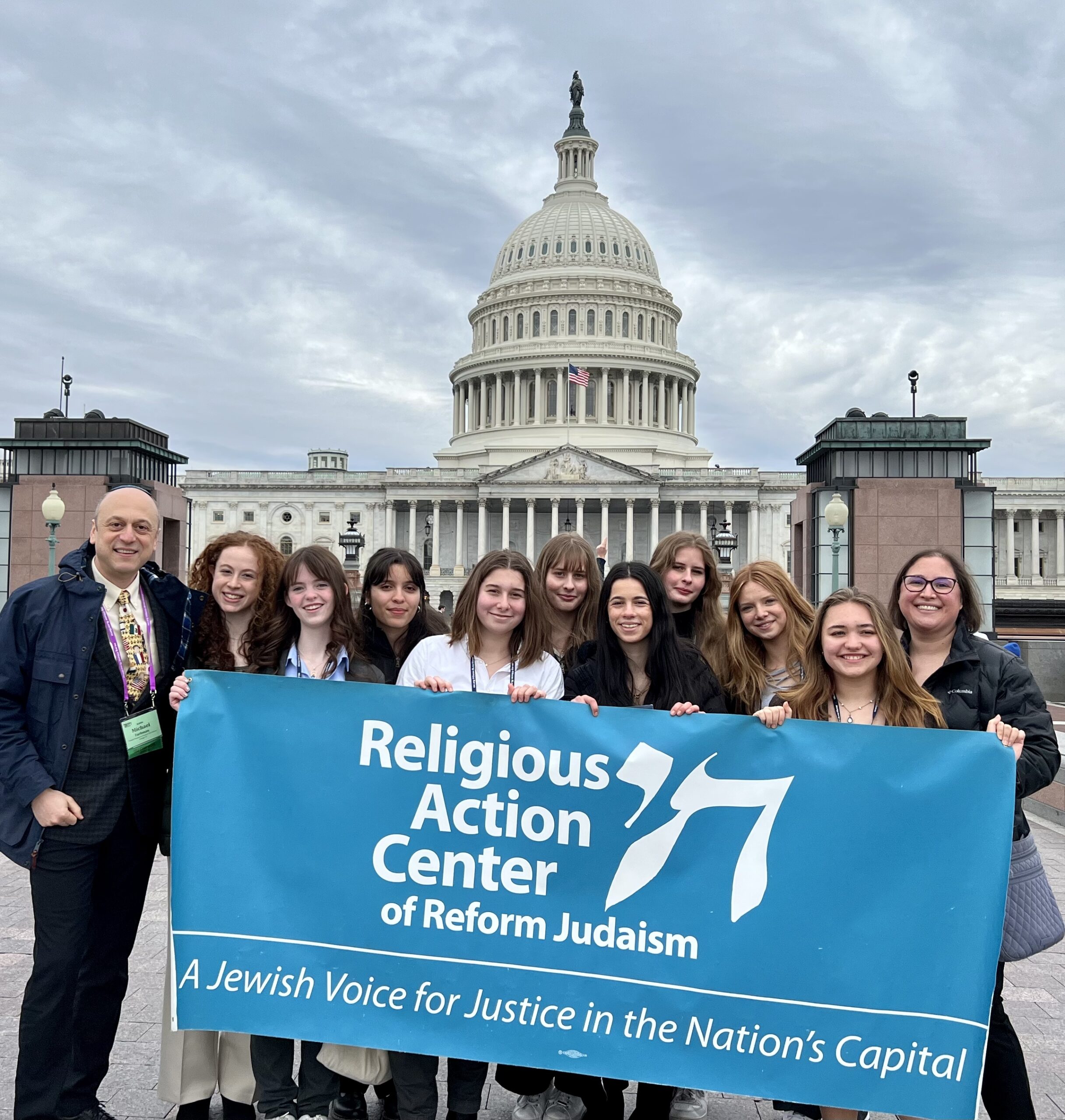
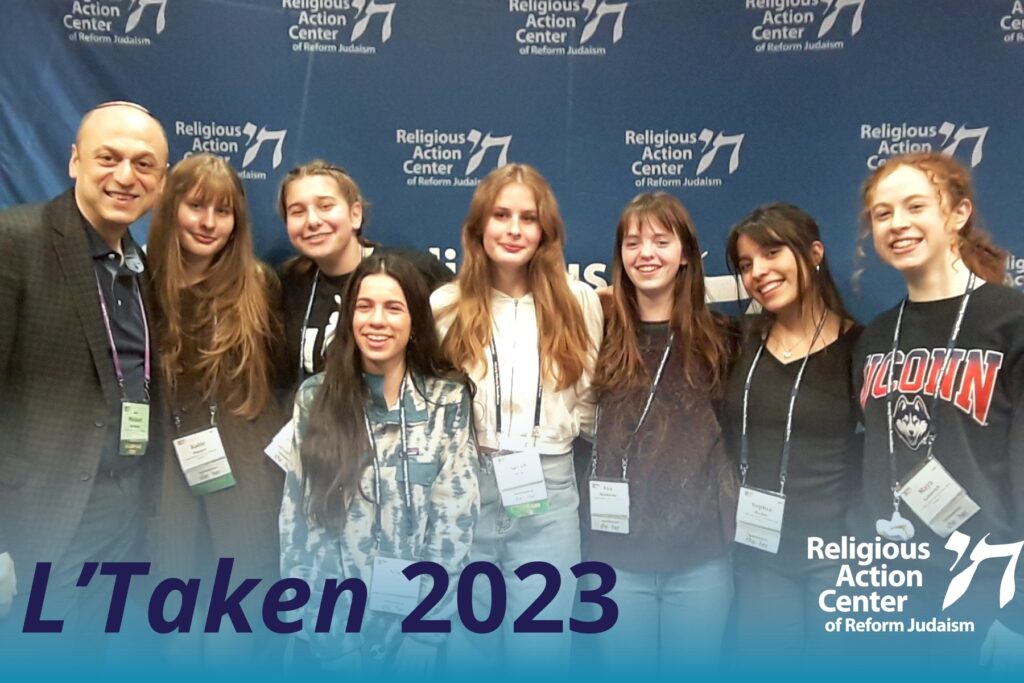
Earlier this year, seven TE teens were able to attend the L’taken seminar of the Religious Action Center in Washington, DC with Rabbi Farbman. We are grateful to TE’s Rabbi Brieger Youth Fund, Jewish Foundation of Greater New Haven, and Barbara Rosenthal Memorial Fund for making this trip possible for our teens. Below are some of their reflections on their experience.
Sarah: This February, I was privileged to take part in a very transformative and life-changing four-day seminar called L’taken, meaning “to repair.” The annual program is run by the Religious Action Center of Reform Judaism. It is held in Washington DC, where hundreds of Jewish teens come together from across the country to learn about the many prevalent issues negatively affecting our society and to lobby on Capitol Hill urging congressmen/women to support and pass important/essential bills. We also included an insight into how Reform Jewish beliefs relate to the importance of passing the bills. The topics included reproductive and LGBTQ+ rights, gun control and safety, mental health, antisemitism. My group specifically focused on encouraging officials to pass a bill allowing better mental health resources for students throughout the country.
In addition to lobbying and learning about our country’s prominent issues, we were able to visit many museums and monuments throughout DC. We visited the Jefferson Memorial, the Capitol, the MLK Memorial, and the Air and Space Museum. The most powerful experience for me was visiting the Holocaust Museum. Thanks to the Barbara Rosenthal Fund, I was able to visit the museum for a second time. Walking through it again still gave me chills. Seeing the individual names and pictures of victims throughout the halls always makes it very hard for me to understand how such a terrible massacre could have existed. The museum itself has great importance in our society today. Its purpose is not only to memorialize the millions of victims heartlessly murdered during the Holocaust but to also educate people on its terrible existence and how it can be prevented in the future. The world must learn, reflect, and never let it happen again.
Maya: The L’Taken seminar was an amazing experience that I am so grateful to have participated in. I am usually not very interested in topics of policy and government, but this program was engaging, fun, and showed me that standing up for issues that I am passionate about is so important. Writing a speech about mental health policy in the United States and its intersection with Judaism to later present to our district representatives gave me the chance to shed light on an important issue that I care about. It also allowed me to figure out how I am personally connected to a much larger and widespread issue throughout the nation, as well as learn about my friends’ perspectives in order to collaborate on the speech. Not only did this program teach me so much about policy in the US, it also was so amazing to see and connect with so many other Jewish teens from around the country. During Shabbat services, it was interesting to hear so many familiar melodies that we sing at TE, as well as variations of them that other people in the room were more familiar with. This, as well as meeting new friends during group activities and meals were great ways to connect with other people throughout the program.
Lucy: L’taken was an amazing weekend and such a worthwhile experience. I got so much closer with all of my peers at TE and we all learned so much. I’m so grateful that I was able to participate. During the program, I learned so much. One night we did a lobbying simulation where we got to be in smaller workshops based on what we were most interested in and got a chance to lobby our senators and representatives. For my speech, I chose to write about criminal justice reform with an old friend from Congregation Mishkan Israel, the congregation that we went to the event with and did most of our programs together. I gained so much useful knowledge about public speaking, working quickly and under pressure. After our trip, I decided to join the Religious Action Center’s teen social justice fellowship and I am excited to continue to work with them.
Katie: I had a fantastic time at L’taken. I really enjoyed working with my peers on this incredible experience. We had the privilege of hearing from many different influential speakers, including Rabbi Charlie Cytron-Walker who survived being held hostage in the Colleyville synagogue. His bravery gave significant meaning to why we were all there, which was to start and create change. Our goal of learning to influence and make change was challenging at times, but the L’taken staff helped us advocate for our important causes and made it fun and interesting. Additionally, I made a lot of new friends and improved my connections with my peers. I am extremely thankful to everyone who made this trip possible, I gained lots of new leadership skills that I will use going forward.
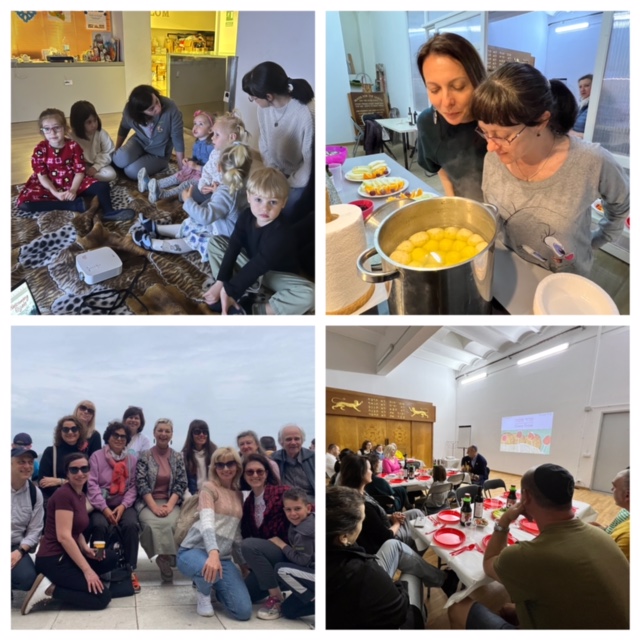
It’s been over a year of the war in Ukraine when we boarded our flight to Spain to support Ukrainian refugees in Europe as part of the JFNA’s Global Volunteer Hub Initiative. It was a third such trip for Rabbi and a first for Olga.
A year is a long time. In April 2022 (Rabbi’s first trip to Poland) people were utterly disoriented by the physical and emotional ordeal they have just survived. The war was real and devastating, the people were hurting and shaken, there was shock, disbelief, and a hope that the war will be over and they were going home soon. In August 2022 the immediate pain and shock felt more distant, and people were facing the reality that their lives were not going to be the same again, and they had to make some choices and long-term decisions. They needed help, reassurance, and support as they were trying to figure out their next steps. They needed someone to take care of their kids while they were navigating bureaucracies and looking for work. They needed to hear from those who went through the immigrant experience themselves that they will be OK someday. In April 2023 the reality is different once again. People are learning Spanish and are starting to have basic daily interactions in supermarkets and corner stores with more confidence. Kids are navigating school, people have moved on from temporary housing (Red Cross hotels and shelters) into rented accommodations. Many are securing jobs and continue to find ways to keep in touch with friends they made during the worst of it, supporting each other still. As the basic needs of their lives are beginning to slowly fall into place, their need for community, support and camaraderie becomes more focused – the early childhood center, the women’s Club, the Spanish lessons, the hiking group, the teen art project continue to be life savers. There’s a sense of ‘new normal’, where the same person simultaneously invited us to visit her again in her new home in Spain AND in her beloved Odessa, Ukraine (someday soon, we all hope)!
We brought with us iPads for the preschool program, matzo ball mix and chocolate covered matzah (a huge hit!), Passover snacks and a PJ library book in Ukrainian, your generosity and our desire to help. It was all put to such great use every step of the way. We shopped and cooked and hosted a Passover Seder, we taught and shared, we played with kids and read stories with adults, we took people on walks and trips and picnics. We sang and prayed and laughed and cried together. There was a lot of hugging. We talked about the pain that people carry, we talked about freedom and hopes for the future. We listened – A LOT. The importance of speaking the same language is the key and cannot be overstated! We gave a lot. It was not enough – it can never be enough.
As we return home we try to process our experiences and take account of what we are coming back with. We bring with us the stories and names and faces. We bring a sense of devastation and of hope. We bring lessons of resilience and optimism. Most of all we are returning filled with gratitude to TE for recognizing this urge we have to try and play a small role in making this world a little friendlier for people whose lives have been turned upside down. We couldn’t have done any of this without your love and support – THANK YOU!
Every family seeking refuge in the United States has a story to tell. Yuri, Olga, Emma, and Masha reunited two weeks ago when Yuri drove to the Canadian border to bring his wife and two daughters to Connecticut. It was a long drive to their new apartment that JCARR helped procure. We appreciate them sharing their story and are grateful for Rabbi Farbman translating the conversation.
Yuri says it all began on February 24, 2022. When a bomb exploded at the military base approximately 500 yards away, they knew they could not safely remain in their home. Difficult and sad as it was, it was time to leave Ukraine. Initially, they thought they would return, but that seemed less likely as the war continued. Their path led to Spain, Canada, and then the U.S. Eventually, they realized that they wanted this move to be permanent.
Connecticut was attractive for several reasons. Yuri has a half-brother who immigrated here twenty years ago and lives in Brooklyn. Their oldest daughter is living in New York, where she is developing her profession as a makeup artist. Yuri and Olga want a safe environment for Emma and Masha “…to develop in the life we do not know.” Like most parents, they want safety and opportunities for their children. Yuri says, “People still dream of the U.S. as the land of freedom and opportunity.” The decision to move to Connecticut was finalized when a friend of Yuri’s brother helped him find a job here. Olga said, “We couldn’t imagine what it would be like. On this journey, we learned that things would not work the way you expect them to. So we decided not to have expectations but to treat it as an adventure. We did not expect the kind of loving care we have been overwhelmed with. “ With that, several of us reached for Kleenexes.
Olga and Yuri worked together in the tourism industry, organizing children’s programs, fancy balls, tours of Ukraine, and screen-free programs for kids, to name just a few. Their work fostered an attitude of “get up and go, explore, adjust to new realities, and have a sense of adventure.” This work requires attention to detail and patience when dealing with bureaucracy, traits that have served them well on this journey. Emma worked with children and teens for several years. While in Spain, Emma and her father organized a camp for the Ukrainian refugee children. Every day they organized activities, giving the youth a focus for their time and the parents much-needed breathing space. When Rabbi Farbman and his son Sam were in Spain, they were impressed by Emma’s capabilities. Emma says, “I love working with children and teens and want to explore different options for doing that as I continue my education.”
Rabbi Farbman notes, “When you don’t know what to do when a disaster falls on your head, think about helping others.” This is a family that knows how to do precisely that. As they adjust to living in a new environment, their attitudes and skills serve them well. Yuri says, “We dealt with bureaucracy in Spain and Canada, but nothing is as complex as the U.S.” And yet, they started the process for themselves – using YouTube videos as a guide. Jean Silk of JCARR notes, “We’ve never had a family file the various applications for social services independently.”
As part of settling in, the family is eager to explore the area’s cultural offerings. They look forward to visiting museums, festivals and attending cultural events. Emma is grateful for the community she experienced while attending Kabbalat Shabbat in Spain and looks forward to learning more.
She seems to sum up the family’s gratitude when she says, ‘I could never have imagined how many people we’d meet who would go out of their way to help us.”