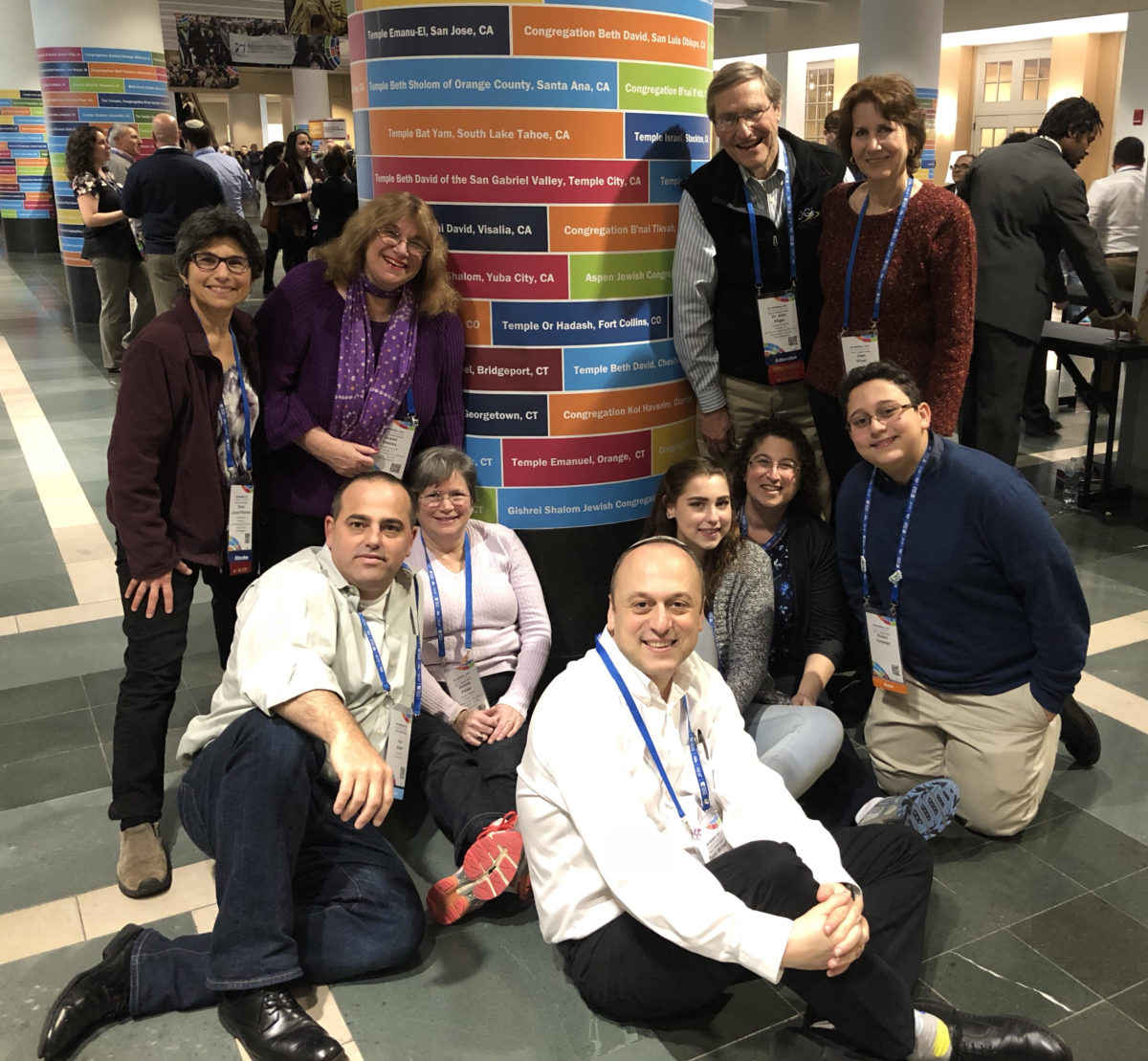
At the recent URJ Biennial in Boston over 6000 Reform Jews from all over United States, Israel, UK, and a number of other countries spent five days together learning, singing, discussing and debating, praying and engaging, reconnecting with old friends and making new ones, and celebrating Shabbat together. The Boston Biennial was doubly special for me, as it was a chance to revisit the location of the very first biennial I got to attend as a newly ordained rabbi from London back in 2001. A lot has changed in my life and in our movement in the last 16 years, but I was especially excited to come to the biennial surrounded by the biggest TE delegation yet – we had our own minyan!
In her speech, Daryl Messinger, the Chair of the URJ, described her passion for our movement and posited, “Sacred space, sacred ritual, and sacred relationships matter today more than ever. No virtual reality could create the caring and connection that our Movement’s clergy, professionals, and lay leaders do every day in congregations and communities throughout North America.” I spend my life building and sustaining the sacred community, a task that requires true partnership with our leadership and all our members. However, we do not live in a vacuum, and so we look for every opportunity to enhance our work, extending the boundaries of our sacred community to include our movement, our local Jewish community and Federation, and the wider Jewish world. We seek every partnership and build relationships that allow us to foster the sacred community we need to be better Jews and better human beings.
Our religious school helps engage children and their parents, from the very young age all the way through high school – and we hope that the parents will also have an opportunity to find their own place in the TE community, engage in learning, be inspired, and enjoy a more fulfilling Jewish life. Our kids love Hebrew school! But we couldn’t do this alone, and so we seek the sacred partnerships to deepen the experiences our kids can have in Hebrew school. URJ summer camps are very much our partner in that endeavor, creating a ‘bubble’ of a sacred community of kids and teens, offering an opportunity of summer experience of communal Jewish living, something that is quite impossible to create during the year… URJ Eisner, Crane Lake, and SixPoints Sci-Tech Camps are very much our partners in the daily work, and I am so grateful for their presence in our region! Camp Laurelwood and JCC Day Camp offer additional local summer opportunities for Jewish life beyond Hebrew school.
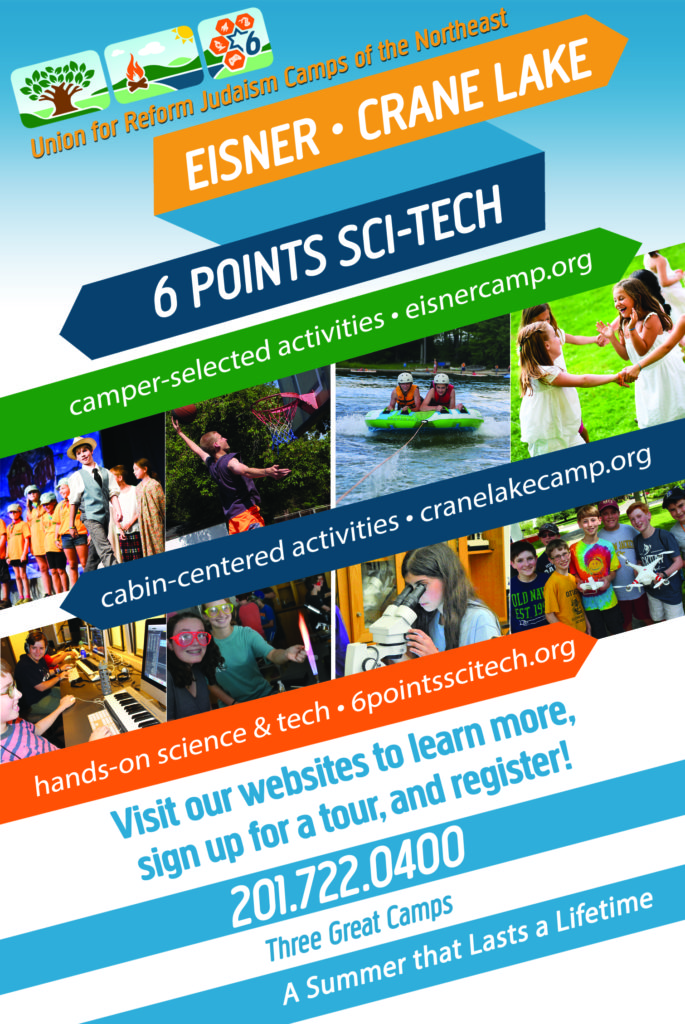 Camp, especially sleep-away camp, is expensive. Over the years, TE has proudly offered small scholarships to our campers to help defray slightly the cost of URJ camps. This year I am delighted to report that after many years of discussions and encouragement, the Jewish Foundation of Greater New Haven now supports the ‘One Happy Camper’ grant, offering up to $1000 per child going to camp for the first time (this is NOT need-based), as well as offers the need-based Jewish camp scholarships that now extend to URJ Camps Eisner, Crane Lake, and Sci-Tech! This is indeed great news, and I very much hope that many more TE families will consider sending their children to a Jewish camp this summer. I will once again be returning to serve on faculty of URJ Camp Eisner this summer, and I look forward to seeing many happy faces of TE campers and CITs!
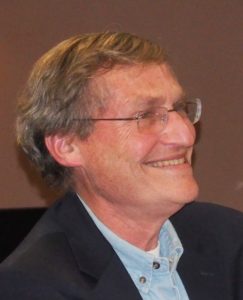 I just returned from Goodspeed after seeing “Rags,” a musical about the Jewish immigrant experience in 1910. The story describes the experience of “greenhorns” arriving at Ellis Island in New York, fleeing a European past of pogroms, and seeking new lives, hope and aspiration in the New World. As described in the revised book, author David Thompson in a screenplay written by Joseph Stein “explores what might have happened to the families who had come to America from Anatevka (Fiddler on the Roof).” We see the tension between holding onto old values and entering a new reality, – “What do you keep? What do you leave behind?” In this musical, we are reminded that Americans already in the country view immigrants both as “fodder” to fuel the economy and also as potential threats to take their jobs and change their culture. The resonance with our current-day xenophobia and fear of immigrants is striking.
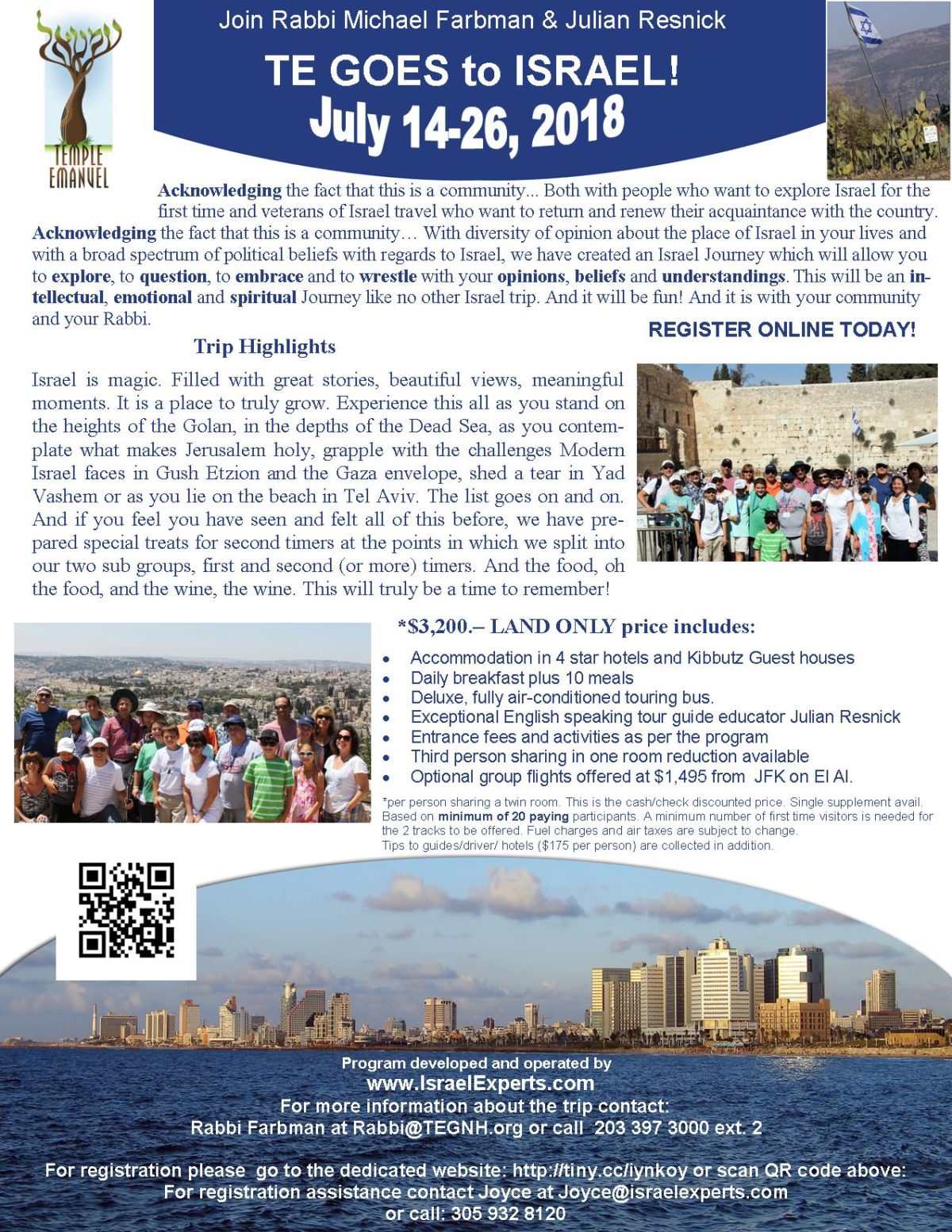
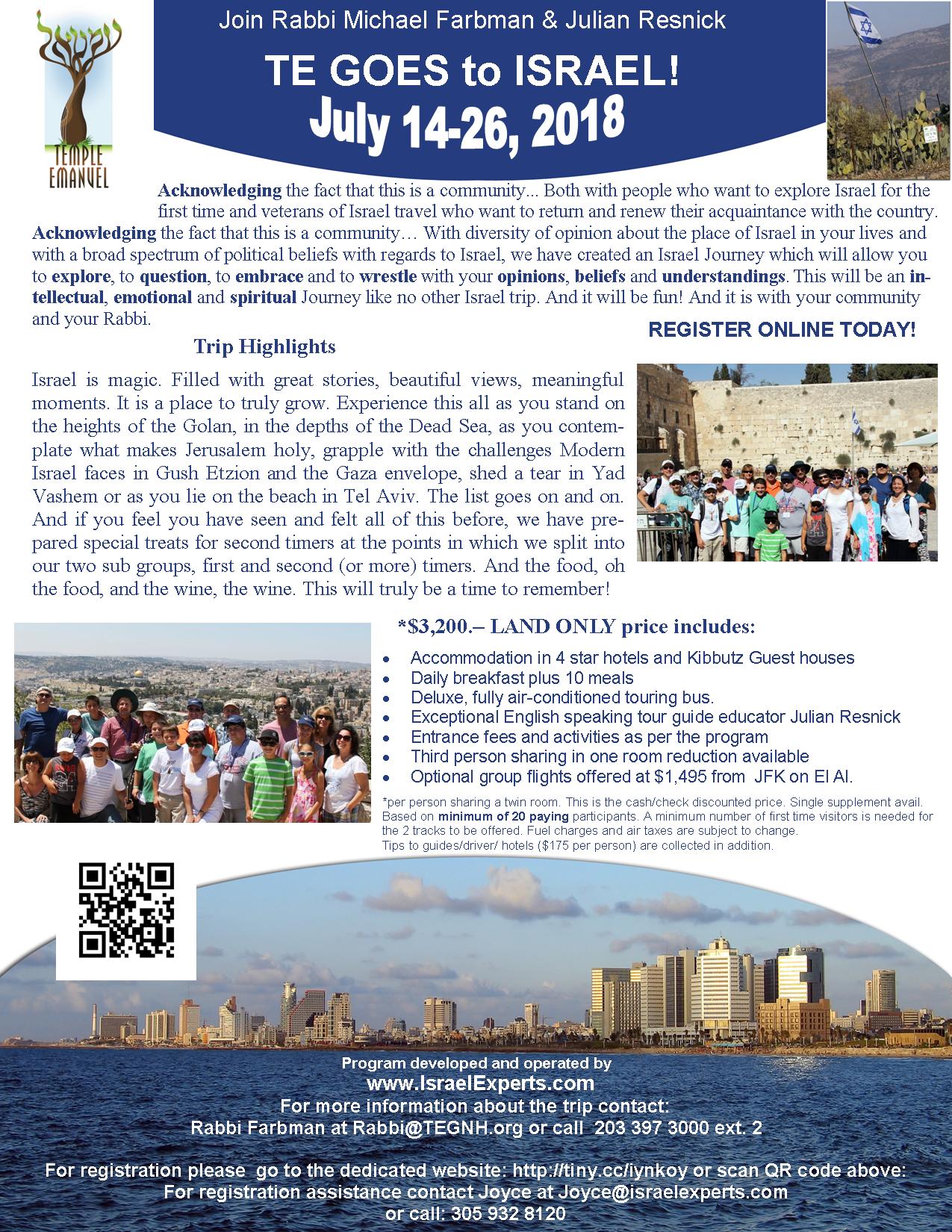
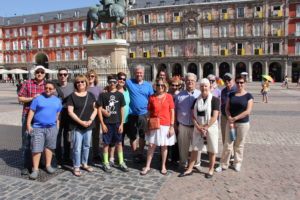 How do you see something that hasn’t existed in 500 years? That was the challenge for eighteen travelers from Temple Emanuel when we visited Spain from 7/31 to 8/13/17. Led by Israeli guide, Julian Resnick, the search for Jewish Spain was on.
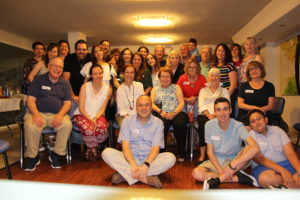 The search began in Madrid with visits to the Plaza Mayor, the Cathedral, Puerta de la Indepencia, Jardines del Buena Retiro and El Prado. For many the highlight of our time in the city was our visit with a new reform Jewish congregation. Seeing their enthusiasm and pride, hearing their stories of successes and obstacles and just getting to know them, made us appreciate our own circumstances.
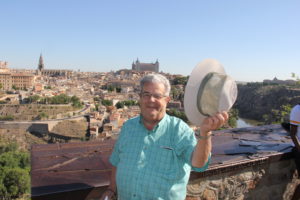 From Madrid we spent a day going to Toledo. Approaching the city was magical. Located in the mountains bordering the Taso River, this small city appeared like a fairy tale. We were able to wander through the old city, visiting the Cathedral, the location of the once thriving Jewish quarter and synagogues dating back hundreds of years (one to the 3rd century). Standing in the Plaza while being taught about the Inquisition’s auto de fe was a very powerful experience. Seeing evidence of a Jewish presence and knowing that there was no Jewish population there today gave us pause.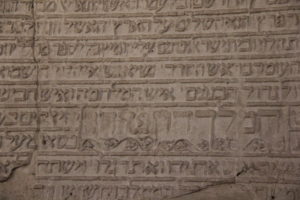
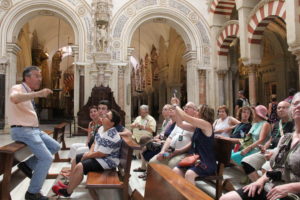 The Casa de Sefarad has been opened in the midst of the old Jewish quarter as a museum and cultural center of Jewish Spain. Rabbi Farbman led our Shabbat service at the Casa. Hebrew prayers and songs spilled out into the Jewish quarter, silent to services for hundreds of years. It was interesting to find out that the very dedicated staff of Casa de Sefarad were not Jewish but passionate about teaching and exploring the experience of Jewish Spain.
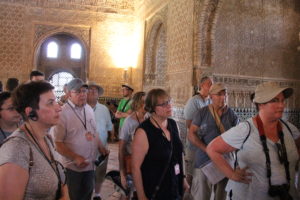 In Seville we visited the Cathedral, the most visited in Spain, and Real Alcazar. In Grenada we toured the Alhambra. After a week of non-stop activity, in unrelenting heat, we headed to the beach. Stopping along the way to relax and swim we reached Alicante. Time was spent exploring on our own, visiting the Castile Santa Barbara and people watching. A day followed in Tarragona doing more of the same.
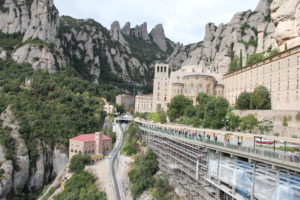 While heading for Barcelona we stopped in Monserrat. The monastery high in the mountains had spectacular views, a funicular and was generally fascinating. Some events are serendipitous and leave their strong impression. For me it was the experience of attending a portion of a mass in Monserrat. The mass was dedicated to Edith Stein, born a Jew, converted to Roman Catholicism, became a Carmelite nun and was murdered in Auschwitz. Why were we there on that particular day to hear that particular mass?
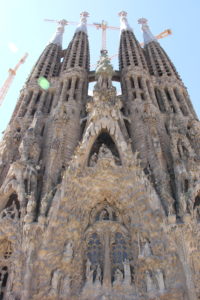 Our trip concluded in Barcelona. We visited Park Guell and the Sagrada Familia to experience Gaudi and the Picasso Museum in the old city. We visited an ancient synagogue tucked away on an ancient narrow street. We went to the city of Girona and spent considerable time in the old Jewish quarter. What delighted some of us was being shown sites that were used in filming “Game of Thrones”.
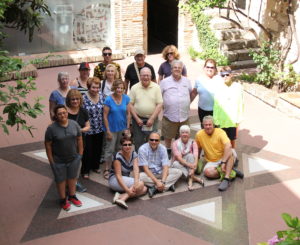 Our final night in Spain was sharing a worship service at Comunitat Jueva Bet Shalom de Catalunya, the reform Jewish congregation. Once again we were welcomed as brethren and made to feel totally comfortable. We were also very concerned for our new friends a week later when a terrorist attack struck in Barcelona.
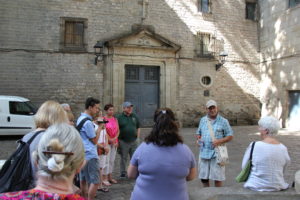 Throughout our trip we were fortunate to have knowledgeable and interesting local guides who were able to give us an overview of their cities, usually with obvious pride and always with a feel for their city. Leading them all was our friend, Julian Resnick. He kept us focused and on track, he provided insights that were specifically for us. He made us think, see and feel so that we could try to bridge the gap of 500 years. Julian posed questions and made us examine today, i.e. pork is a part of virtually every meal in Spain. Why? During the inquisition the eating of pork was used as evidence that you were not a secret Jew.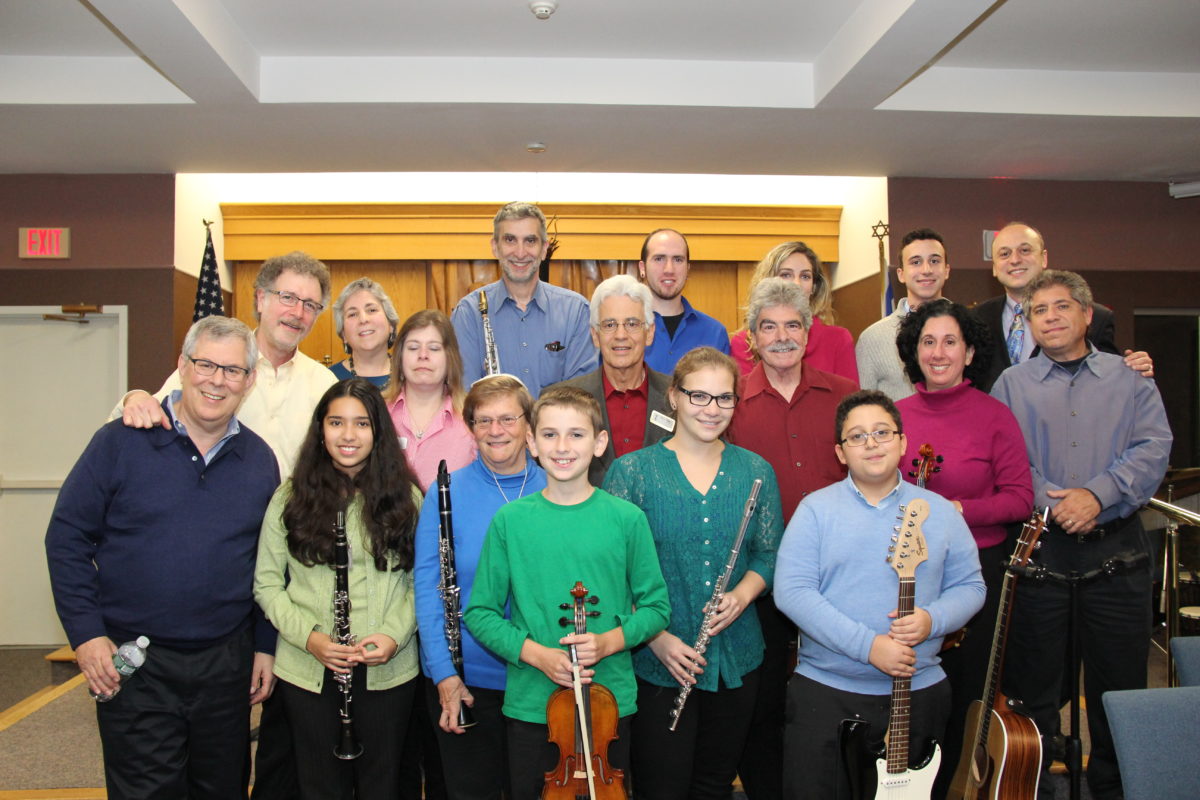

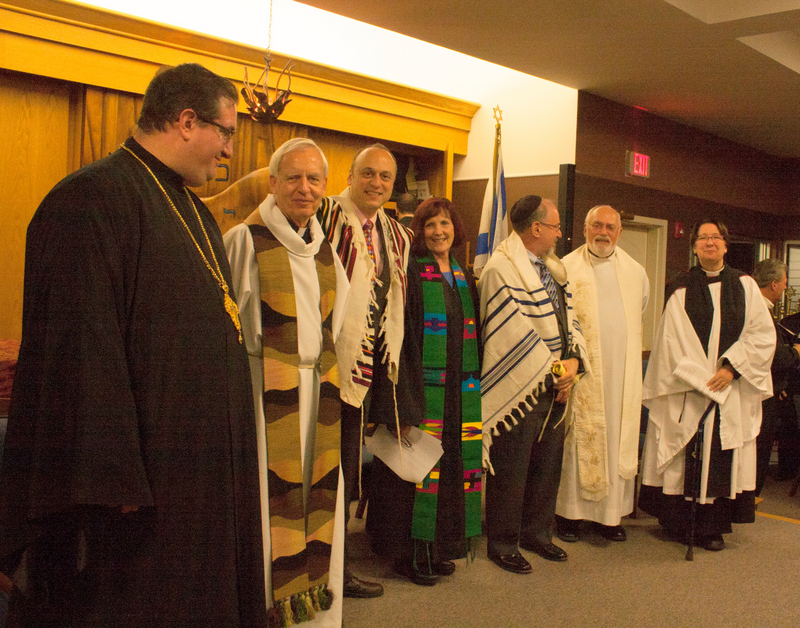
 Please join the Faith Communities of the Town of Orange for this very special pre-Thanksgiving Interfaith Service. This year we are hosted by Congregation Or Shalom,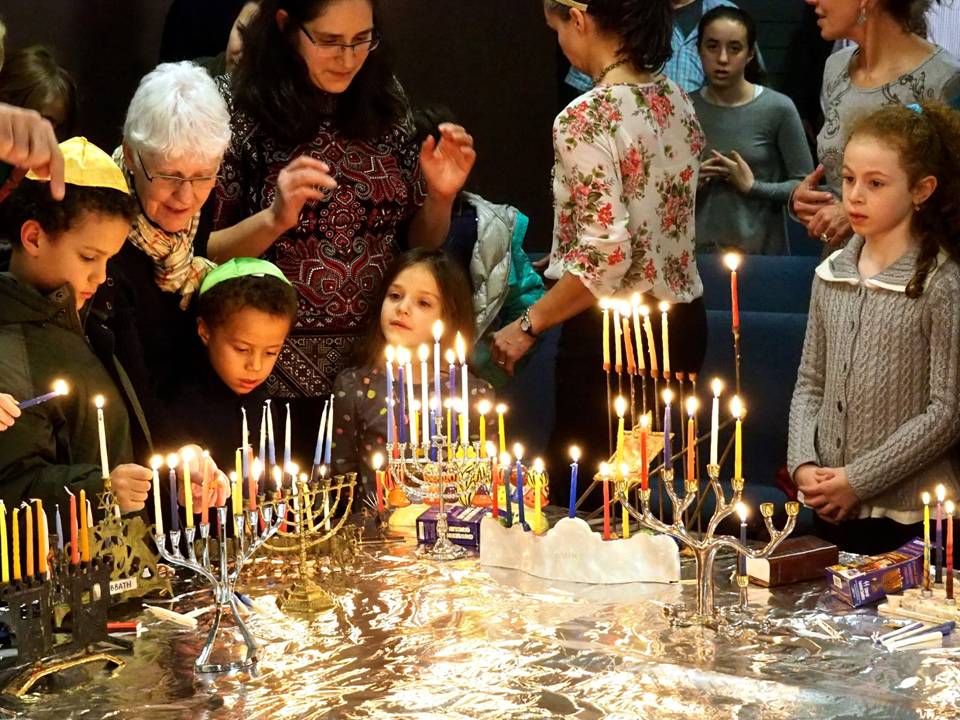
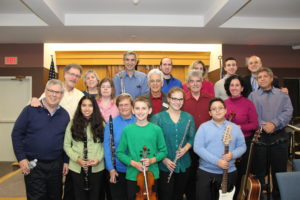
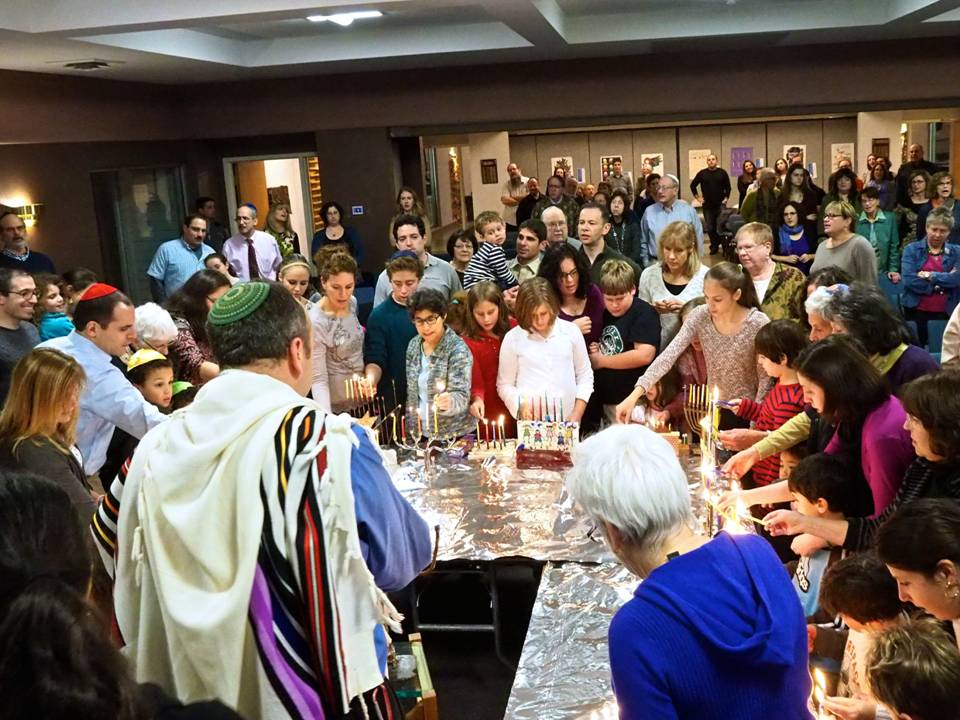 Come celebrate Shabbat Chanukah with your extended Temple Emanuel Family! Bring your own Chanukkiah and let’s fill the sanctuary with light on this very special Chanukah shabbat! After the music-filled Shabbat celebration with Temple Emanuel Band enjoy a family-style meal. Bring some latkes to share at our annual latke cook-off, and may the best latka win!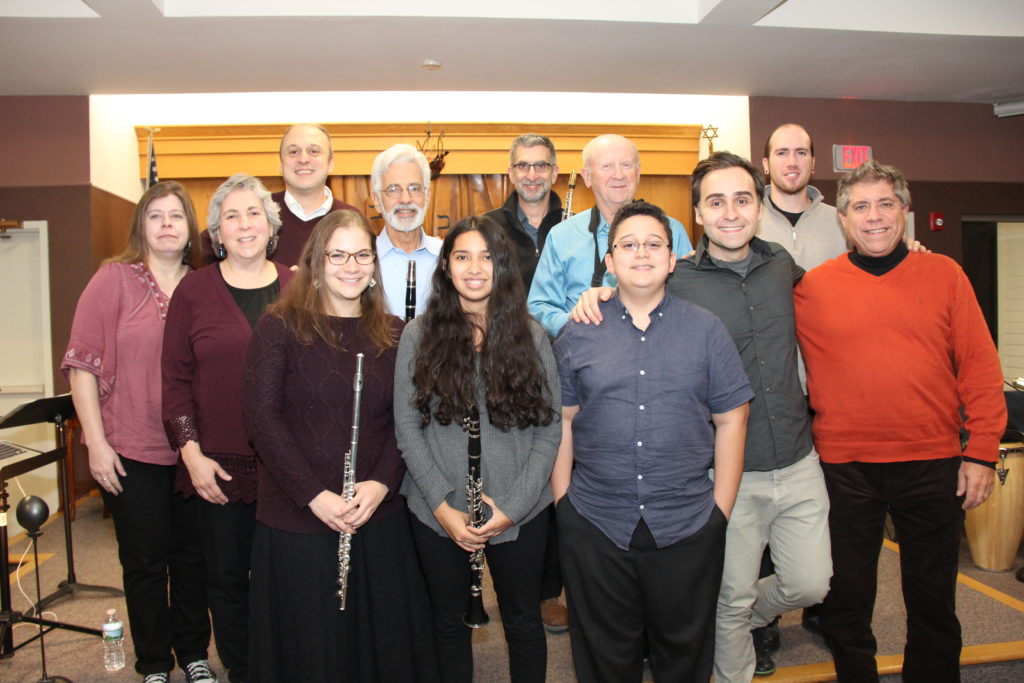

 This year’s
  5777: what a year at TE, with weekly services, Mussar, scholars in residence. Our TE religious school is thriving. Our membership is growing. Tikkun Olam projects supporting our greater community. Our grounds and gardens have never been more beautiful. Our Caring Community committee works tirelessly to offer outreach and support. We have an active Mens Club and Sisterhood. This was a fabulous 5777 inside our Synagogue – –