
“Temple Emanuel is a warm, caring, and open community. As a small but growing Reform synagogue, our members have the opportunity to know one another and to have meaningful input into how our synagogue operates. Temple Emanuel is a participatory, diverse, non-judgmental, and intellectually vibrant congregation. Our membership comes from many towns in the greater New Haven area, and the Valley, adding to the diversity of our congregation.”
This paragraph comes from the homepage of our website. Much of what I love about Temple Emanuel is embodied in these words. We are warm, caring and open. We are a participatory congregation, diverse in many ways. We work hard to welcome new members and visitors. Temple Emanuel embraces other values dear to my heart. Again from our website: “Tikkun Olam (healing the world), social action, and social justice are important values of the modern Reform movement and a priority at Temple Emanuel.”
With all of this in mind I often think about how TE can do even better on these fronts. How could we welcome members or guests who cannot walk up the steps to the bimah to accept an aliyah? How could we welcome those who don’t feel comfortable using a bathroom gendered male or female? My wife Barb and I have worked hard in our lives to be visible and proud lesbian parents, making sure that our kids feel comfortable with their family and accepted in their community. Do others feel as comfortable at Temple Emanuel being who they are? Do Jews of color feel at home at TE?
Being welcoming and inclusive, and being sensitive to people who are outside the majority, are values I feel strongly about. The Union of Reform Judaism (URJ), the umbrella organization for North American Reform Judaism, has an initiative to embrace the diversity of the Jewish community. This initiative is called Audacious Hospitality, “… a transformative spiritual practice rooted in the belief that we will be a stronger, more vibrant Jewish community when we fully welcome and incorporate the diversity that is the reality of modern Jewish life.” The URJ has developed a number of resources for member congregations, including an Audacious Hospitality toolkit. This educational program helps congregations examine the welcome they give and helps to strengthen the relationships we have with one another.
Temple Emanuel is a wonderful congregation. I feel joy when I sit down at services or join families at the asephah and feel the connection and warmth of our community. I would like to go even further to make every household feel that they have been seen and heard, and that their voices are important to the whole. I invite everyone who is interested to join in a discussion about how TE might become more audaciously hospitable. We will meet on Sunday, November 10th at 10 am. If you are interested but cannot attend that date, please let me know. As always, I am interested in your thoughts and ideas, and can be contacted at president@tegnh.org


 By Olga Markus
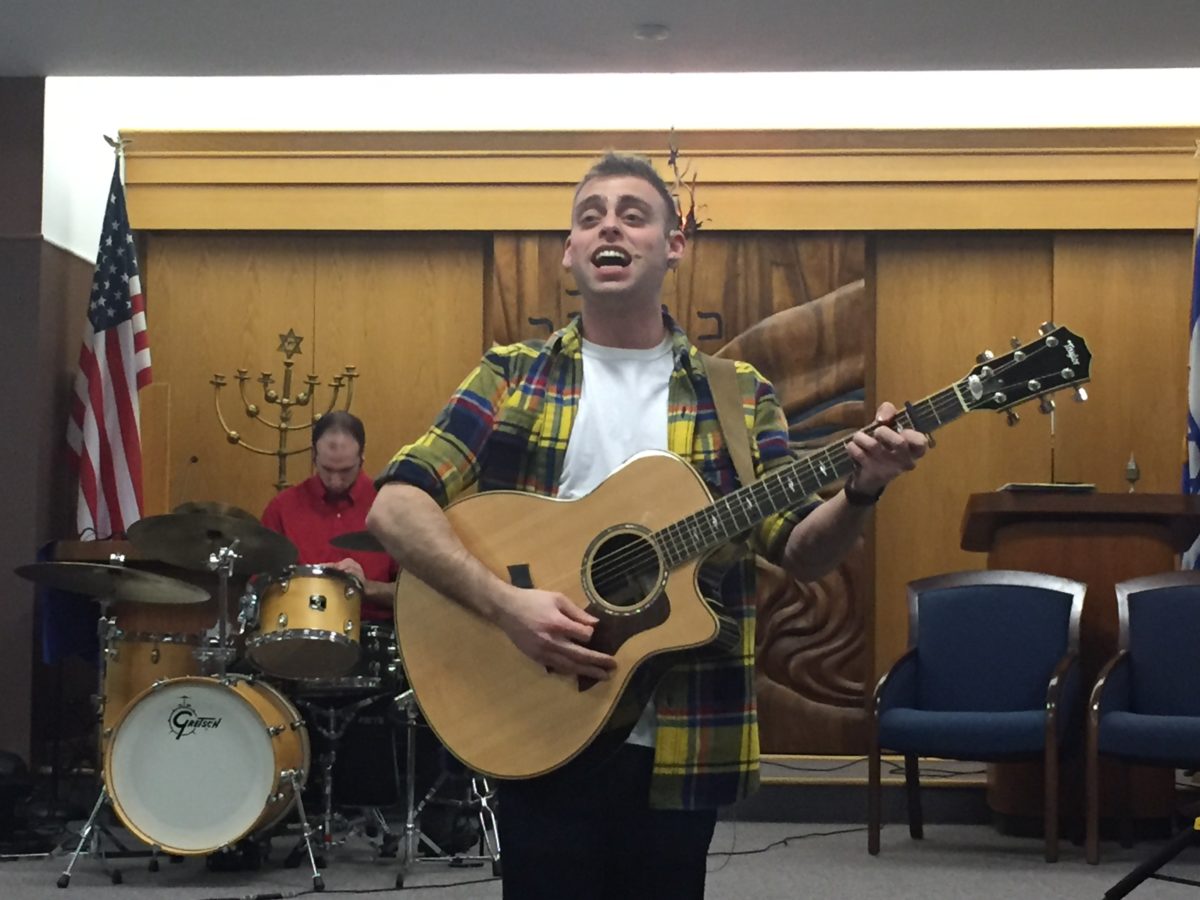
 An annual musical weekend in memory of Rabbi Jerry Brieger z”l
 Saturday, November 3