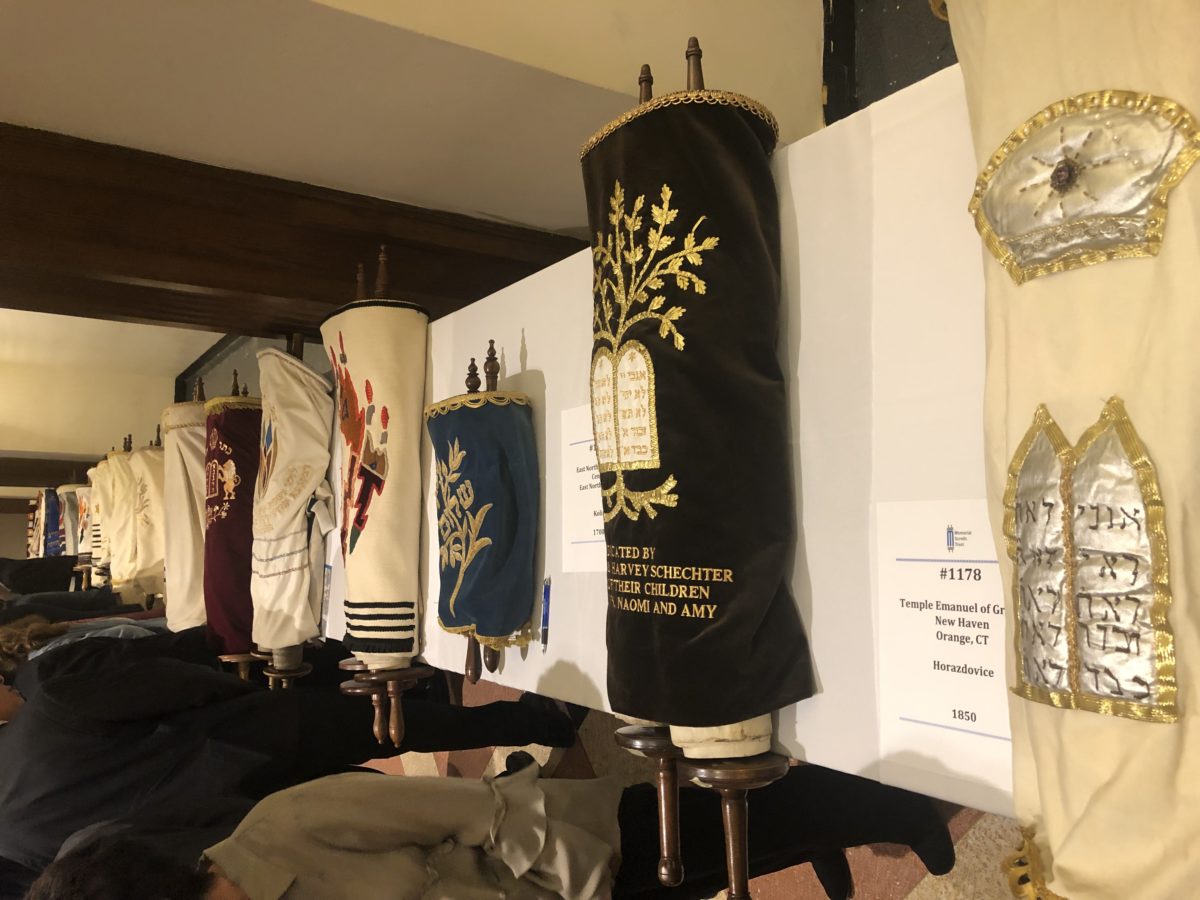
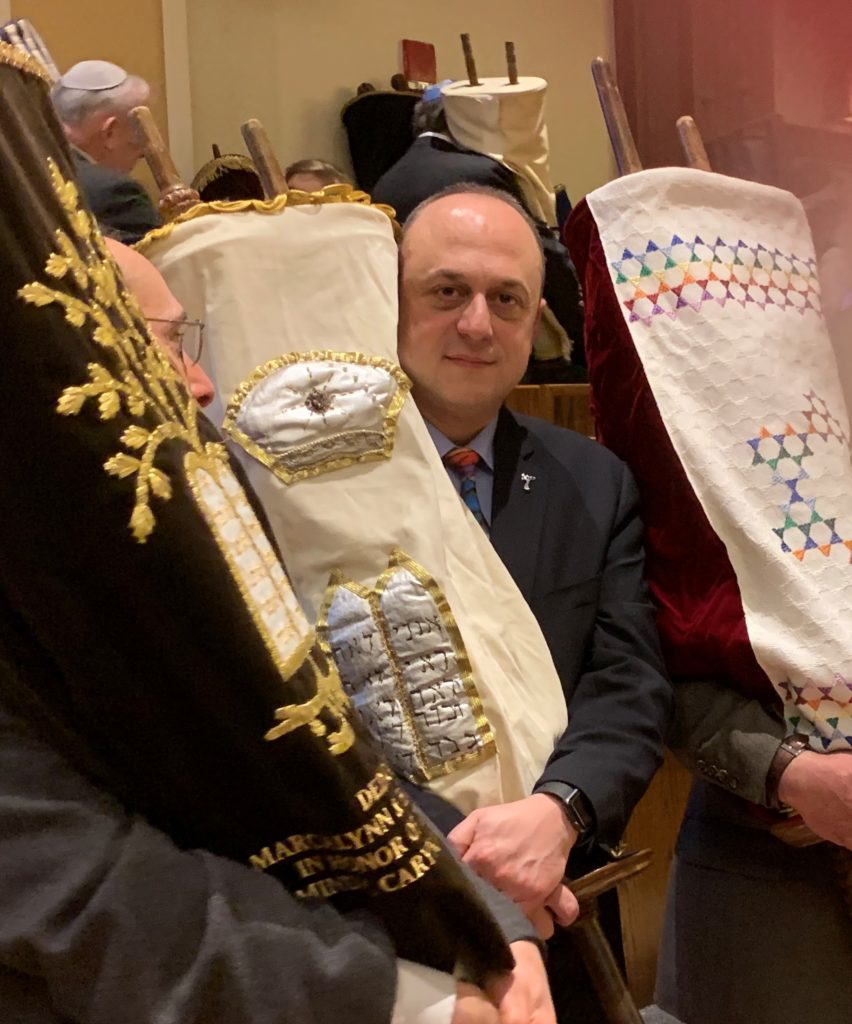
Torah scrolls are very special. It is an incredible honor and privilege to read from the Torah scroll in front of the congregation. It requires skill and effort, and lots of preparation for each such occasion – a labor of love on behalf of the community and of the Jewish people. Holding the Torah scroll does not require a special skill (perhaps some strength is useful), but it can be a truly moving, emotional experience. When holding the Torah, whether for the first time as a bar or bat mitzvah, or for the 100th time, we cannot help but be in awe of the incredible chain of tradition, of hundreds upon hundreds of generations of Jews that cherished their Torah, and passed it on, leaving a small mark that perhaps cannot be seen, but can be felt by us as we accept the Torah from their hands and carry it forward. The sense of continuity, of importance of ritual and of connection with our people’s past is palpable whenever one holds the Torah — a truly awe-inspiring feeling.
As I held TE’s Holocaust Memorial Scroll #1178, and as I marched in a quiet procession of over 70 Czech memorial scrolls, I was overwhelmed for a moment by a different kind of emotion. In my arms I held not only an incredible treasure of the Jewish people that was created and lovingly maintained by previous generations of Jews I did not know, but a scroll that belonged to the destroyed Jewish community of Horazdovice, a community that perished in the flames of the Holocaust. This was not just the Torah connecting me to the Jewish past – this was a moment to acknowledge, once again, that the future of this Torah’s Jewish community of Horazdovice was wiped out by the cruelty of hate and yet somehow, miraculously, the orphaned Torah has survived and found its way into the loving hands of our community, right here in Orange, CT. Scroll after scroll paraded through the room packed with over 800 people from some 80+ synagogues in the Tri-State area, honoring the painful past – and celebrating the miraculous survival of Judaism. I will never forget this moment and this feeling.
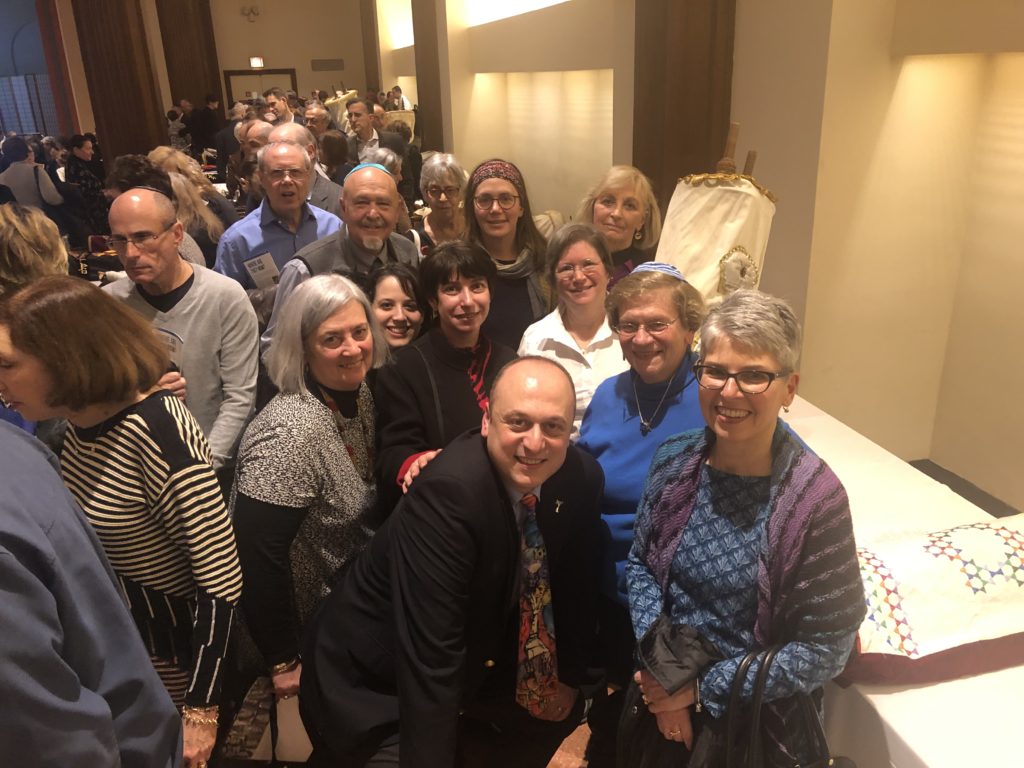
I have invited other members of TE who were able to attend to share some of their experiences from that day. I hope that their words can help you experience some of that special occasion:
“Tuesday, February 5th was truly a spiritually and personally meaningful experience for me. Watching the processional of more than 70 Czechoslovakian Holocaust scrolls, with our rabbi carrying our 1850 scroll, was a moving sight. To be there with a group of folks from my TE family made everything even more special and exciting, starting with the difficulty of parking at the train station to our rolling, sometimes party-like conversations on the train back and forth, and our long walks from Grand Central Station to Temple Emanu-El and back. It is such a privilege for our congregation to have been entrusted with one of these rescued, restored scrolls. In addition, it now appears that the scroll we retired in 2007 (to be only displayed) may indeed be able to be restored and put back into use. As one of those lucky enough to have chanted from that scroll during the retirement service, I would feel even more fortunate to once again chant from it in the near future. Any such opportunity would enhance my feeling of connection to those who perished for their beliefs and heritage, and for whom I may speak when chanting.” — Barbara Berkowitz
“Having convinced myself that one of the Czech scrolls must surely have come from the shul of my grandmother Adele Kolish Reyman, I felt that I needed to be at this rare reunion of the Czech scrolls residing in the Tri-State area. Reading and hearing about these scrolls, gently touching the covers, viewing the IDs affixed to the wood, and seeing the solemn walk with the Torahs were profoundly moving experiences.
Who can say that Adele, her four older brothers and their parents did not see one of these very scrolls I was seeing? No one can say it is not there, so it is. I needed to be there.” — Barbara Miller
“Awesome, proud, sad, memorable, honored, humbled, grateful.
These are some of the emotions that the ten Temple Emanuel members felt as they saw the parade of more than 70 Czech Holocaust scrolls from all over the United States come down the aisle at Temple Emanu-El in New York City on February 5th. This was the largest gathering of the Czech scrolls ever in one place. The Memorial Scroll Trust has 1,564 scrolls on permanent loan to congregations throughout the world. Temple Emanuel’s scroll from Horazdovice came to the Temple Emanuel congregation in 1966 under the leadership of then-Presidents Lois and Paul Levine. It has been used in countless Friday night services, b’nai mitzvah services and High Holy Day services over the last 50 years.
During World War II, the Jews of Bohemia and Moravia were wiped out. The people had been lost, but amazingly 1,564 Torah Scrolls from more than 122 congregations had been saved. Westminster Synagogue became the home to these Czech Scrolls in February of 1964. There they were stored, restored and then sent back out into the world by the Memorial Trust Fund. The evening of February 5th brought 70 of these scrolls and their congregants together for the first time.” — Melissa Perkal
 By Olga Markus
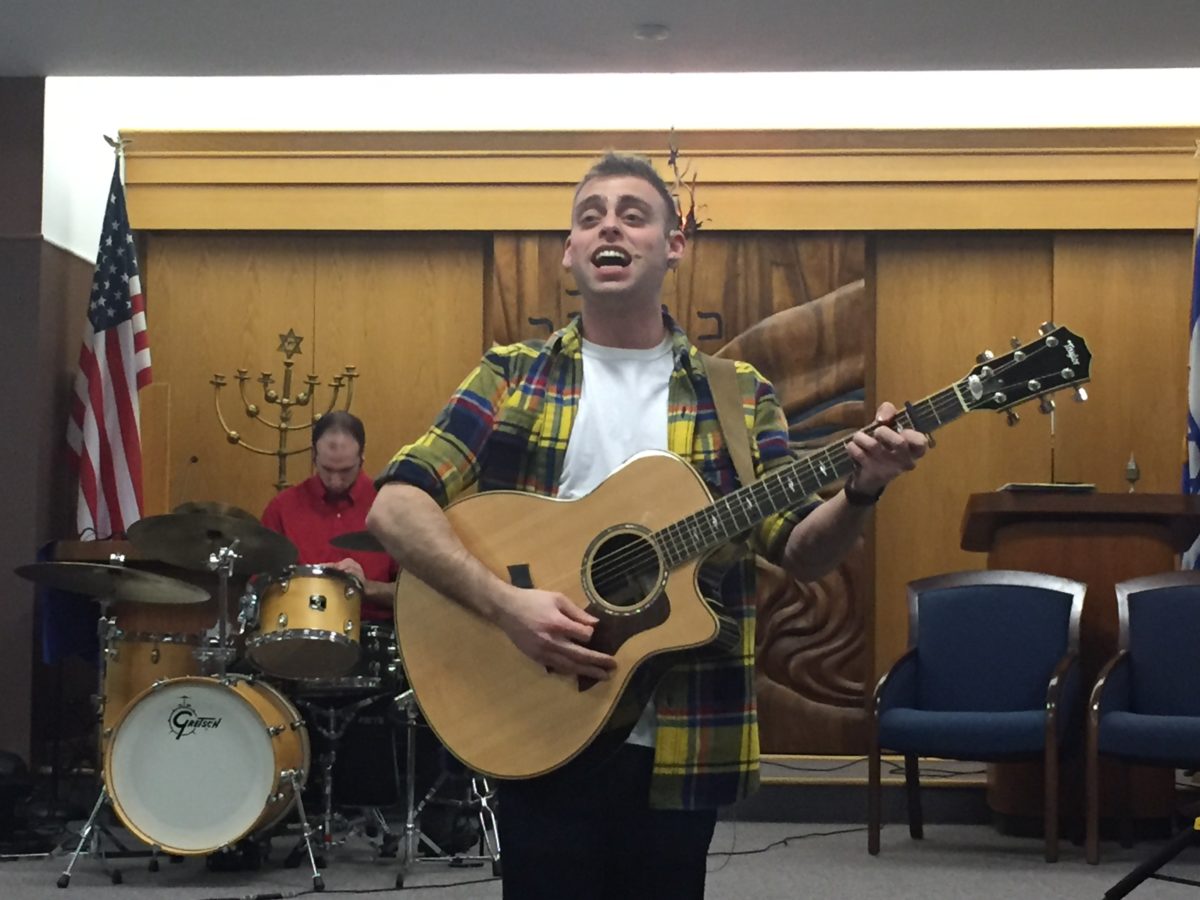
 An annual musical weekend in memory of Rabbi Jerry Brieger z”l
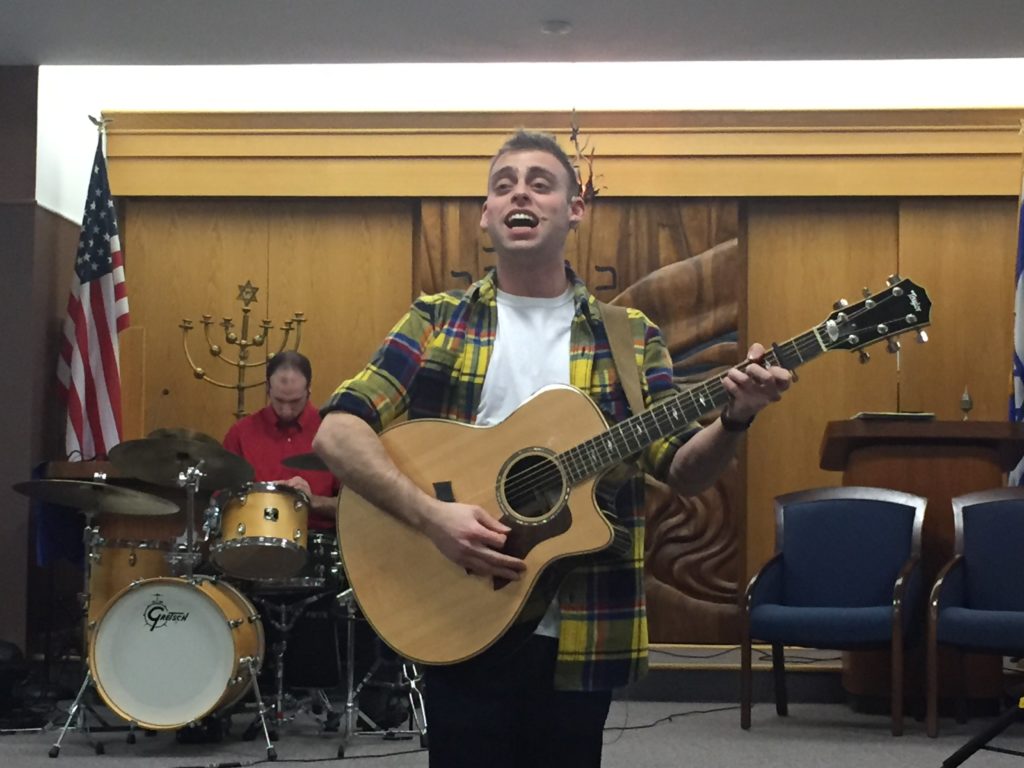 Saturday, November 3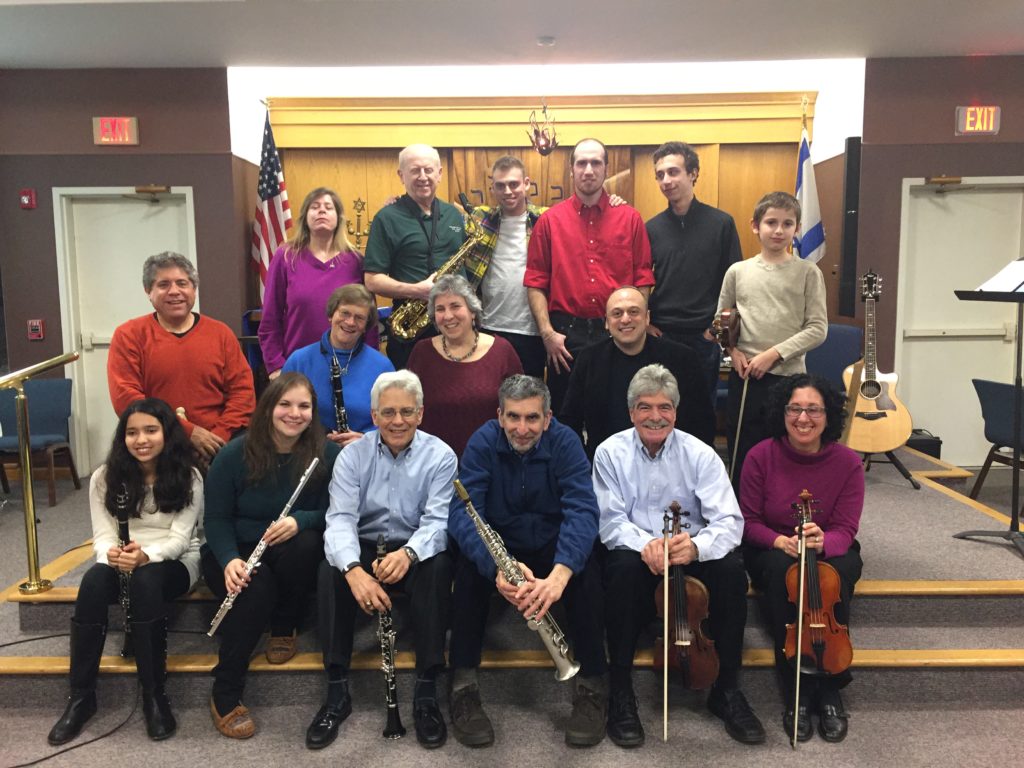



 Come celebrate Shabbat with Rabbi Michael in the beautiful TE sanctuary with songs and stories! Perfect for children under 5 and their families. Members and non-members welcome!

 As I write this column, our nation continues to reel from the pain of another devastating school shooting, this time in Parkland, Florida, that claimed 17 lives. As always happens after such tragic events, we engage in fierce debates and discussions, in person and increasingly online, on how best to prevent such tragedies. As always, there is not much listening going on in these debates – but quite a lot of shouting. The issues are real, the pain is real, and the frustration is real. It is hard to talk about difficult issues, amidst communal and national pain, when we are so divided in our opinions. It is obvious that people are finding it increasingly hard to even acknowledge the humanity of anyone holding an opinion that differs from his own. And yet also we must acknowledge that unless we find a way to listen to each other, and to really hear each other, the solutions to this and many other of our problems, will continue to elude us.
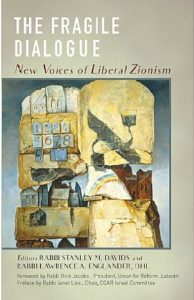
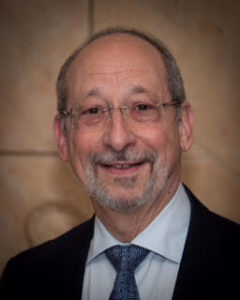 As you will see elsewhere in the Shofar, our Scholar in Residence this year is Rabbi Larry Englander, a wonderful teacher and a colleague, who co-edited the recently published ‘The Fragile Dialogue: New Voices of Liberal Zionism,’ a collection of essays presenting a wide variety of modern liberal Zionist ideas and challenges. While we will have an opportunity to learn so much from Rabbi Englander during his time here (see the full list of events in the Shofar and online), I am particularly looking forward to continuing our conversation on how to have these ‘fragile dialogues,’ addressing some of the most difficult, most challenging questions of our generation. I look forward to this continued journey of learning and listening with all of you and with Rabbi Englander on April 12-14, as well as during a special session on April 8th where we begin to look at the ideas presented in the book. In the meantime, I wish you a Chag Pesach Kasher v’Sameach – Happy Passover, and I look forward to seeing many of you at the TE Seder (first night, March 30) and the Passover Morning Service on March 31st.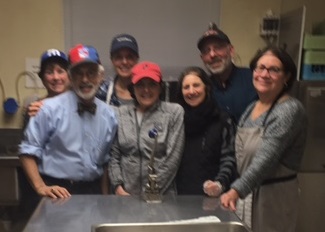
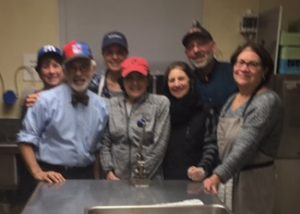 As part of TE’s social action program, Nancy Weber and Max Case have organized a group of TE members to serve dinner at the Beth El Center soup kitchen in Milford on the first Tuesday of each month.