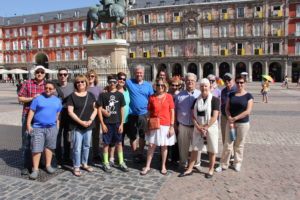
 How do you see something that hasn’t existed in 500 years? That was the challenge for eighteen travelers from Temple Emanuel when we visited Spain from 7/31 to 8/13/17. Led by Israeli guide, Julian Resnick, the search for Jewish Spain was on.
Rabbi Michael Farbman and family (Olga, Samuel and Robert), Lee and Peter Stolzman with grandson Gabriel Duffy, Dennis, Susan and Maximus Liebel, Laurie and Hilary Fried, Naomi and Jessica Klotz, Rochelle Kanell, Bobbie Miller and Nanette Stahl spent a whirlwind two weeks touring Spain and visiting sites and cities that were important locations for Jewish history.
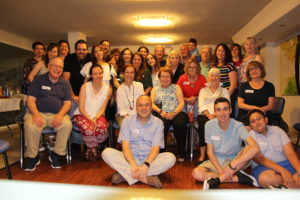 The search began in Madrid with visits to the Plaza Mayor, the Cathedral, Puerta de la Indepencia, Jardines del Buena Retiro and El Prado. For many the highlight of our time in the city was our visit with a new reform Jewish congregation. Seeing their enthusiasm and pride, hearing their stories of successes and obstacles and just getting to know them, made us appreciate our own circumstances.
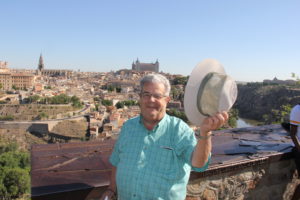 From Madrid we spent a day going to Toledo. Approaching the city was magical. Located in the mountains bordering the Taso River, this small city appeared like a fairy tale. We were able to wander through the old city, visiting the Cathedral, the location of the once thriving Jewish quarter and synagogues dating back hundreds of years (one to the 3rd century). Standing in the Plaza while being taught about the Inquisition’s auto de fe was a very powerful experience. Seeing evidence of a Jewish presence and knowing that there was no Jewish population there today gave us pause.
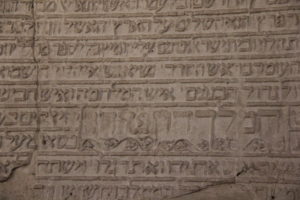
On to Cordova and visits to the Jewish quarter, the old synagogue, the Casa de Sefarad (community center) and the old mosque, re-purposed to the Cathedral of the Virgin Mary, raised questions about the overlapping of cultures and beliefs. 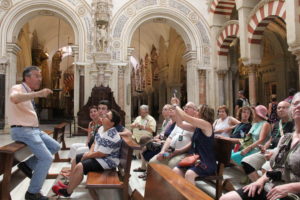 The Casa de Sefarad has been opened in the midst of the old Jewish quarter as a museum and cultural center of Jewish Spain. Rabbi Farbman led our Shabbat service at the Casa. Hebrew prayers and songs spilled out into the Jewish quarter, silent to services for hundreds of years. It was interesting to find out that the very dedicated staff of Casa de Sefarad were not Jewish but passionate about teaching and exploring the experience of Jewish Spain.
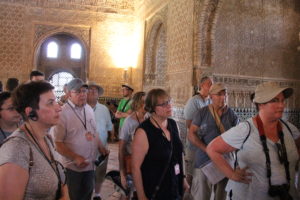 In Seville we visited the Cathedral, the most visited in Spain, and Real Alcazar. In Grenada we toured the Alhambra. After a week of non-stop activity, in unrelenting heat, we headed to the beach. Stopping along the way to relax and swim we reached Alicante. Time was spent exploring on our own, visiting the Castile Santa Barbara and people watching. A day followed in Tarragona doing more of the same.
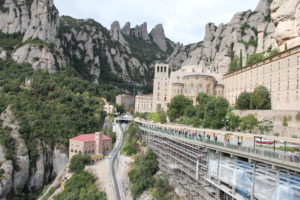 While heading for Barcelona we stopped in Monserrat. The monastery high in the mountains had spectacular views, a funicular and was generally fascinating. Some events are serendipitous and leave their strong impression. For me it was the experience of attending a portion of a mass in Monserrat. The mass was dedicated to Edith Stein, born a Jew, converted to Roman Catholicism, became a Carmelite nun and was murdered in Auschwitz. Why were we there on that particular day to hear that particular mass?
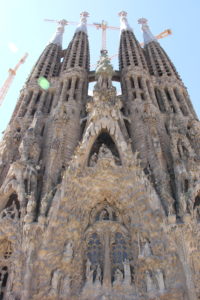 Our trip concluded in Barcelona. We visited Park Guell and the Sagrada Familia to experience Gaudi and the Picasso Museum in the old city. We visited an ancient synagogue tucked away on an ancient narrow street. We went to the city of Girona and spent considerable time in the old Jewish quarter. What delighted some of us was being shown sites that were used in filming “Game of Thrones”.
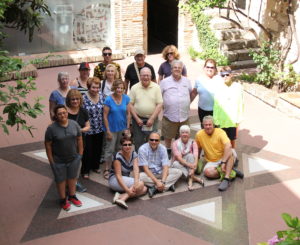 Our final night in Spain was sharing a worship service at Comunitat Jueva Bet Shalom de Catalunya, the reform Jewish congregation. Once again we were welcomed as brethren and made to feel totally comfortable. We were also very concerned for our new friends a week later when a terrorist attack struck in Barcelona.
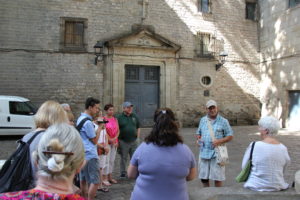 Throughout our trip we were fortunate to have knowledgeable and interesting local guides who were able to give us an overview of their cities, usually with obvious pride and always with a feel for their city. Leading them all was our friend, Julian Resnick. He kept us focused and on track, he provided insights that were specifically for us. He made us think, see and feel so that we could try to bridge the gap of 500 years. Julian posed questions and made us examine today, i.e. pork is a part of virtually every meal in Spain. Why? During the inquisition the eating of pork was used as evidence that you were not a secret Jew.
Our two weeks gave us a unique view of Spain and introduced us to the beauty and wonders of the country.
 Are you a conservative or a liberal? Fox News or CNN? Whom do you follow on Twitter? Are our leaders giants or goats? For better or worse, most of us have passionate feelings about who is right and who is wrong, and we look for affirmation of our opinion.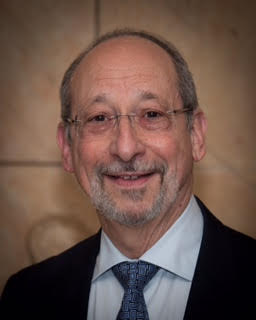
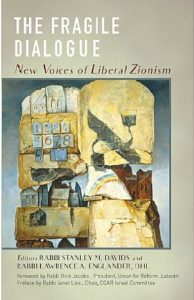
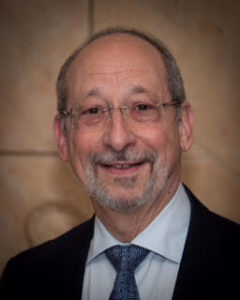 RABBI LAWRENCE ENGLANDER, D.H.L. co-editor and author of the recently published “The Fragile Dialogue: New Voices of Liberal Zionism” will be our Scholar-in-Residence this year.
  Friday, April 13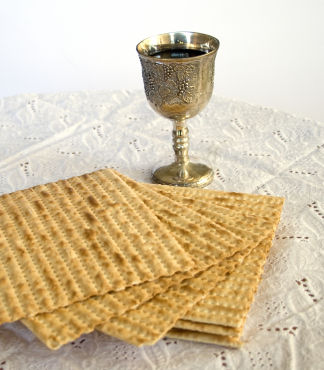
 You and your family are invited to celebrate the Passover Seder with Rabbi Farbman and your extended Temple Emanuel Family!
 Share a potluck Shabbat meal with family and friends! Unwind at the end of the week, and welcome Shabbat with your extended Temple Emanuel Family.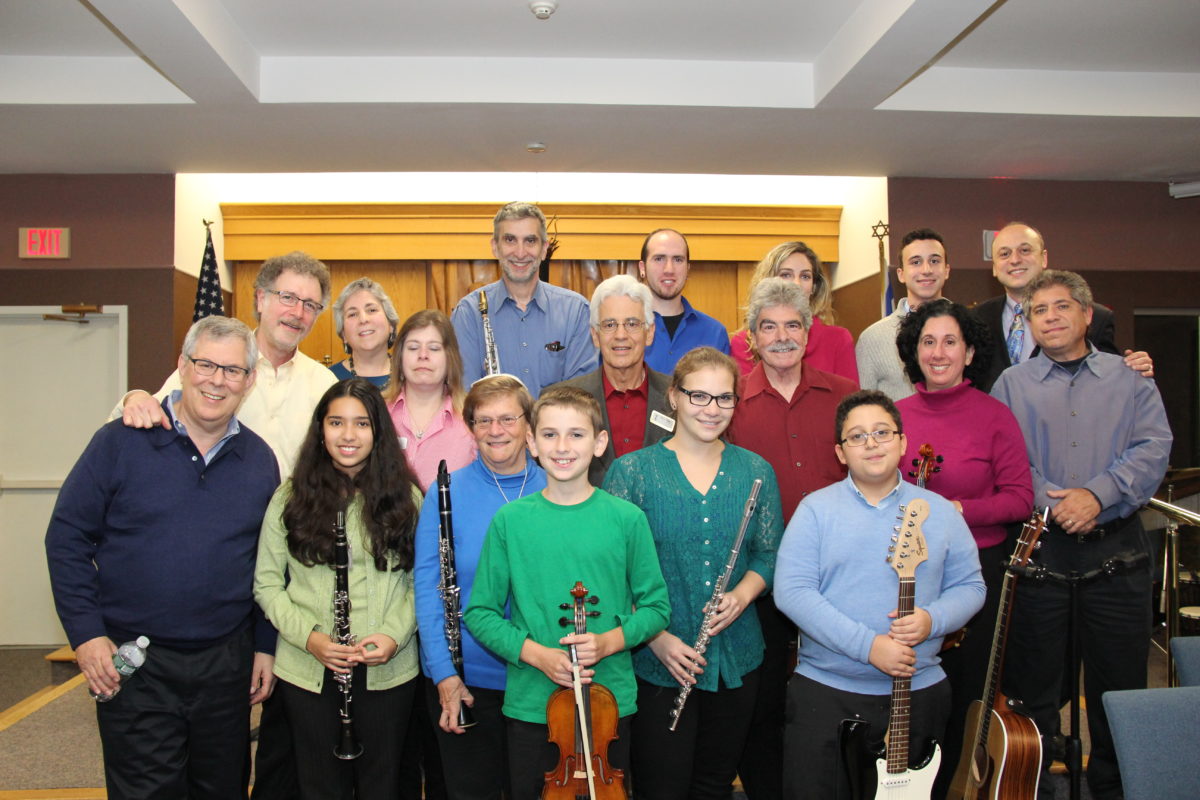
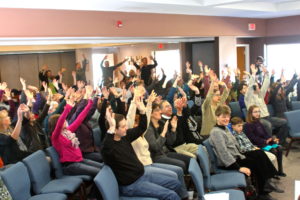
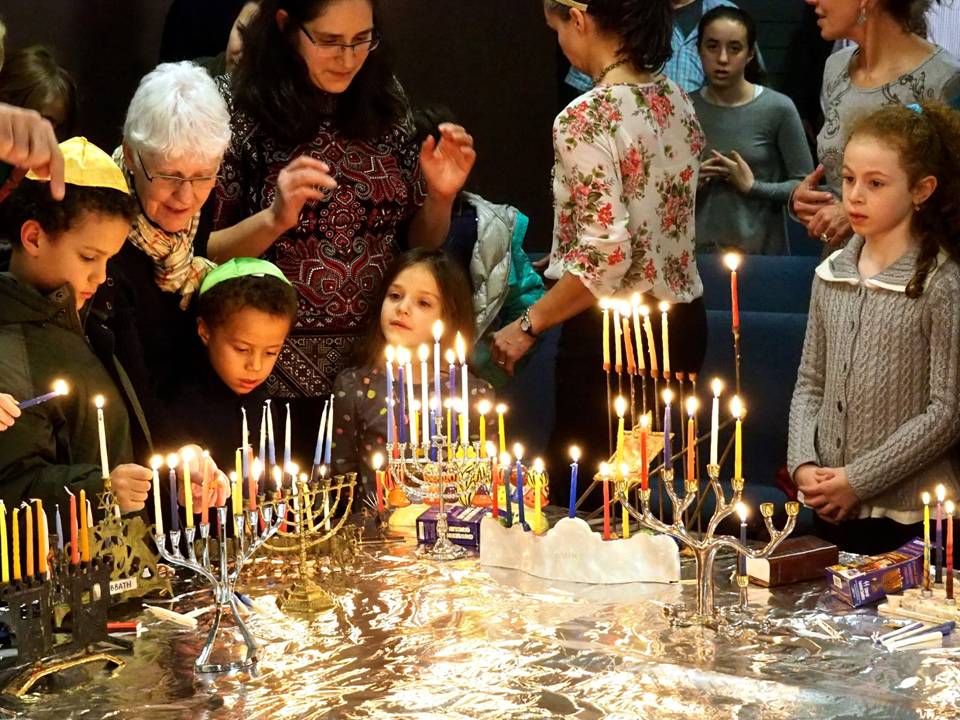
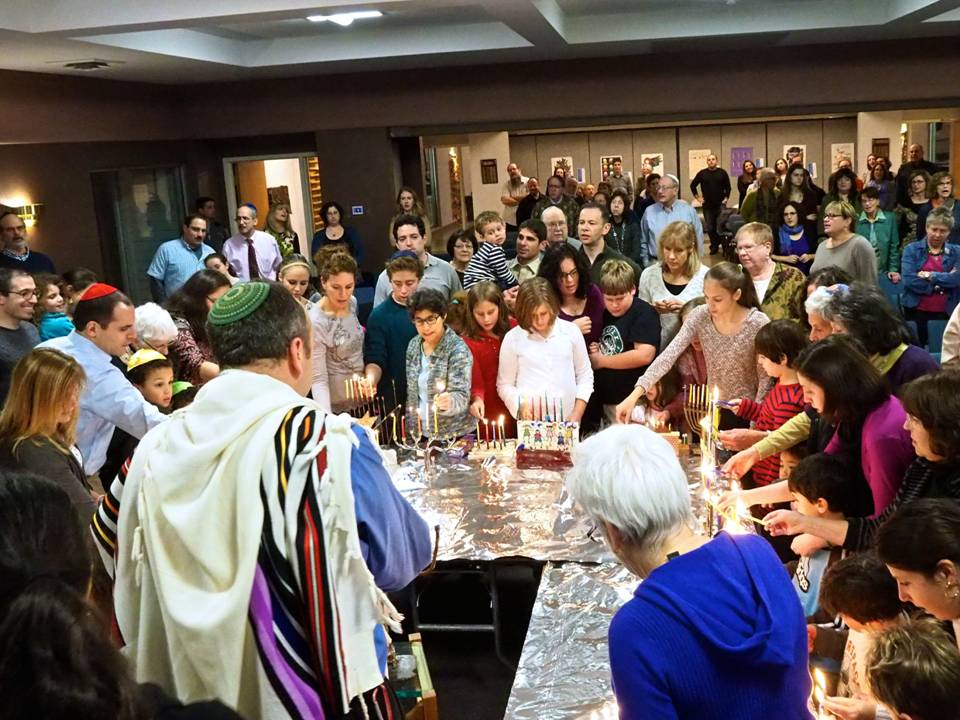 Come celebrate Shabbat Chanukah with your extended Temple Emanuel Family! Bring your own Chanukkiah and let’s fill the sanctuary with light on this very special Chanukah shabbat! After the music-filled Shabbat celebration with Temple Emanuel Band enjoy a family-style meal. Bring some latkes to share at our annual latke cook-off, and may the best latka win!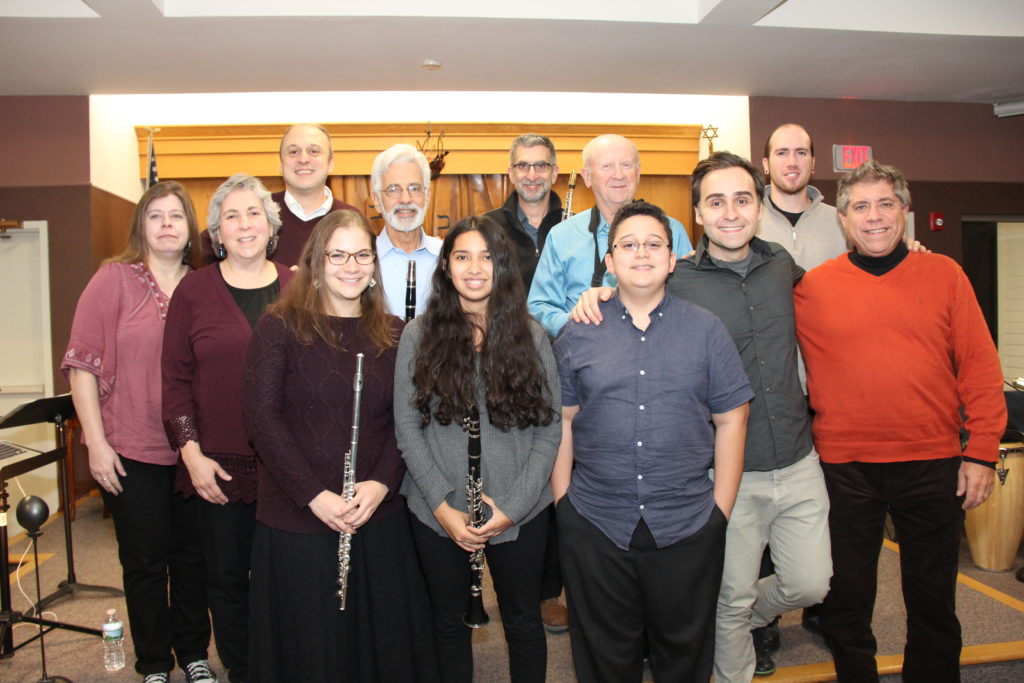
 After a thorough process of examining Mishkan HaNefesh, the new Reform Machzor for the High Holy Days, the Temple Emanuel Ritual Committee recommended we adopt the new Machzor. The Board of Directors unanimously endorsed this recommendation. The Ritual Committee greatly appreciates all of the feedback and help we received from congregants. A new HH prayerbook with full transliteration is a very exciting prospect for next year!