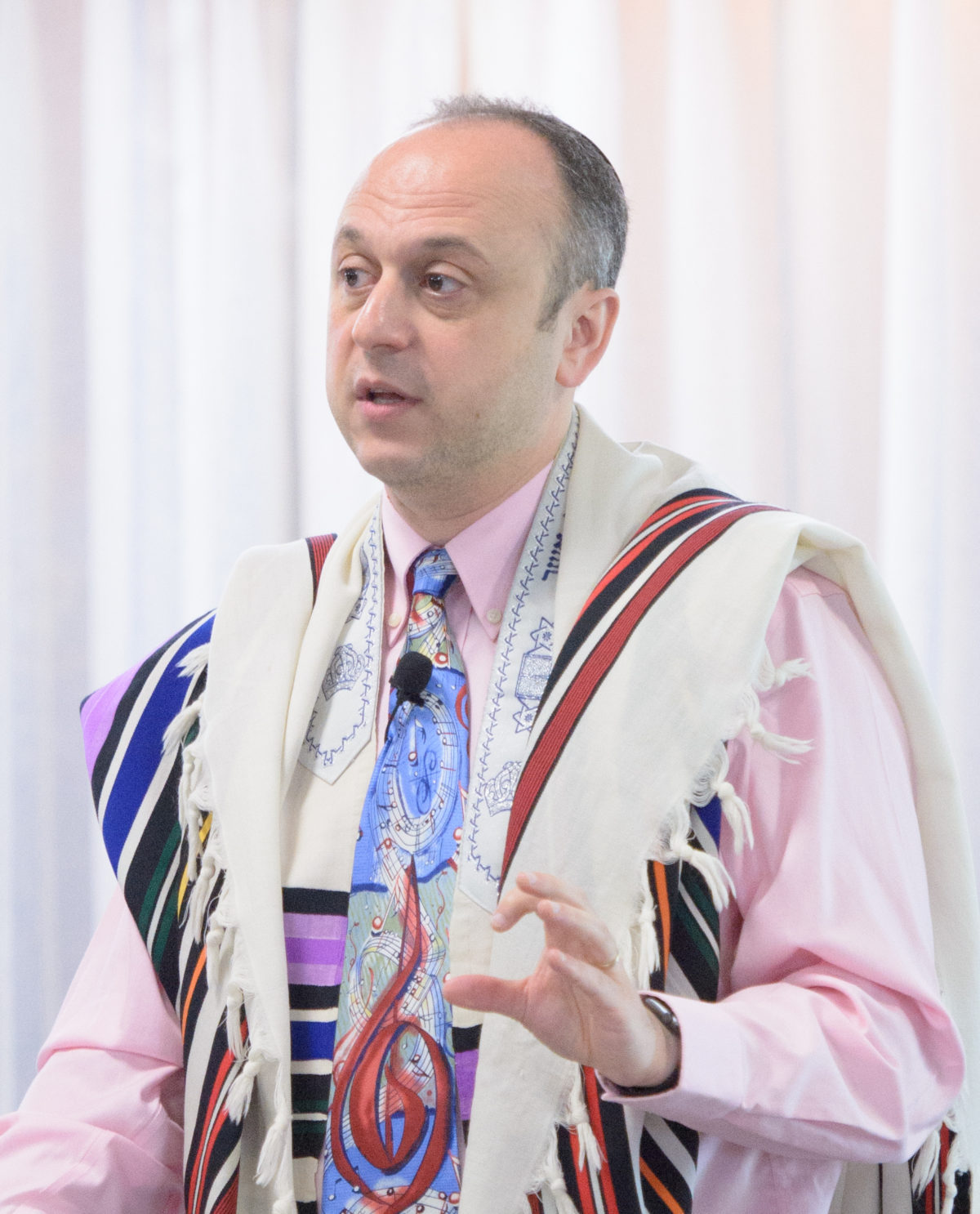
In our tradition, Rosh Hashanah and Yom Kippur are known as the most awe-inspiring and powerful Holy Days of the year. And in our modern reality, they continue to draw Jews together in a remarkable way. For many people, whether they are in the synagogue every week or only occasionally, coming together as a community on the Days of Awe remains an important and meaningful part of Jewish life.
For those who may not spend much time in synagogue during the year, the High Holy Days can sometimes feel like a lot to take in. There are unfamiliar prayers, plenty of Hebrew, long services, and traditions that may not always be immediately obvious. It is perhaps no surprise that bookstores and websites are filled with titles such as “How to Survive the High Holidays” and “Rosh Hashanah and Yom Kippur Survival Kit”! Somehow, this most profound experience of the Jewish year can also be one of the most challenging to navigate.
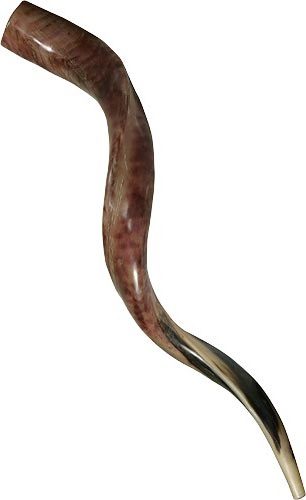
And yet, there is something wonderful about the way people return. Synagogues open up walls to social halls and bring in additional chairs, making room for everyone who wants to be part of the community. For so many Jews, hearing Kol Nidrei and Avinu Malkeinu, and experiencing the ancient sound of the shofar, remains one of the most important moments of the year. Whether we come every week or once a year, there is something deeply comforting about returning to these familiar words, melodies and rituals.
The Days of Awe, Yamim Noraim, are the ten days from Rosh Hashanah through Yom Kippur. They are a time for reflection and introspection—a time to conduct what the rabbis call heshbon hanefesh, an accounting of the soul. We are encouraged to seek forgiveness for the wrongs we have done: first from other people, our loved ones, our families and friends, as well as those we may have hurt without even realizing it, and then from God. We come together to pray the familiar words of supplication: slach lanu, mechal lanu, kaper lanu—forgive us, pardon us, grant us atonement.
But this process does not actually begin on Rosh Hashanah. It begins earlier, in the month of Elul that precedes the New Year.
The Selichot prayers, the “prayers of forgiveness,” are recited during the month of Elul, preparing us spiritually for the Days of Awe that lie ahead. In Sephardi tradition, Selichot are recited throughout the month of Elul, while in Ashkenazi tradition they begin at the end of Shabbat immediately preceding Rosh Hashanah. Traditionally, these penitential prayers were recited at midnight—a physical reminder that this is a time to pause, to look inward, and perhaps to see our lives and ourselves in a different light.
For many years now, the Reform congregations of Greater New Haven have come together for Selichot. It gives us a once-a-year opportunity to share worship with one another and to experience ourselves as part of a larger Jewish community and family. There is something especially meaningful about entering the High Holy Day season together. This year, our Selichot service will be hosted by Congregation Mishkan Israel in Hamden. On Saturday, September 5th at 7:00 pm, we will come together for a special evening to help set the mood for the upcoming Holy Days. Our keynote speaker will be author Marjorie Ingall, whose recent book on the art of apology at home and at work offers a particularly fitting way to begin the High Holy Day season. I hope you will join us as we begin this journey toward the Days of Awe together.
Wishing you all Shanah Tovah U’Metukah—a sweet and happy New Year 5787 ahead! I can’t wait to see you all in our sanctuary this High Holy Day season!
*Excerpts of this article appeared in the September 2011 Shofar